
For the first time in my life, I have stayed by myself in an apartment in a foreign country. I had a gap of several days between my visit to family in the Charente and my next Workaway in the Loire Valley, (golly, it feels so surreal to have just said that!) so I decided to book into an apartment in Angoulême, which is the capital city of the Charente Département.

If I wander up the street for ten minutes or so, I come to the old part of the city which is all cobbled streets, eateries and amazing architecture. The old town is surrounded by ramparts. After hearing people use that term and nodding as if I understood (when in doubt, nod confidently and say “Ah oui!” – not failproof but it works most of the time), I secretly consulted Tante Google who informed me that ramparts are the defensive walls of a city or castle. And of course, that makes sense – very old city up on a hill, battles were had, protective walls were needed etc. Apparently the first fortifications (another good word for the big, strong walls of protection and rampartiness) were probably built around the late 3rd or early 4th century and then rebuilt, enlarged and reinforced as the centuries ticked over. All this reconstruction was finally stopped in the 19th century to allow the city to expand outside the walls, but these faithful protectors are now classed as historical monuments. I’m glad.
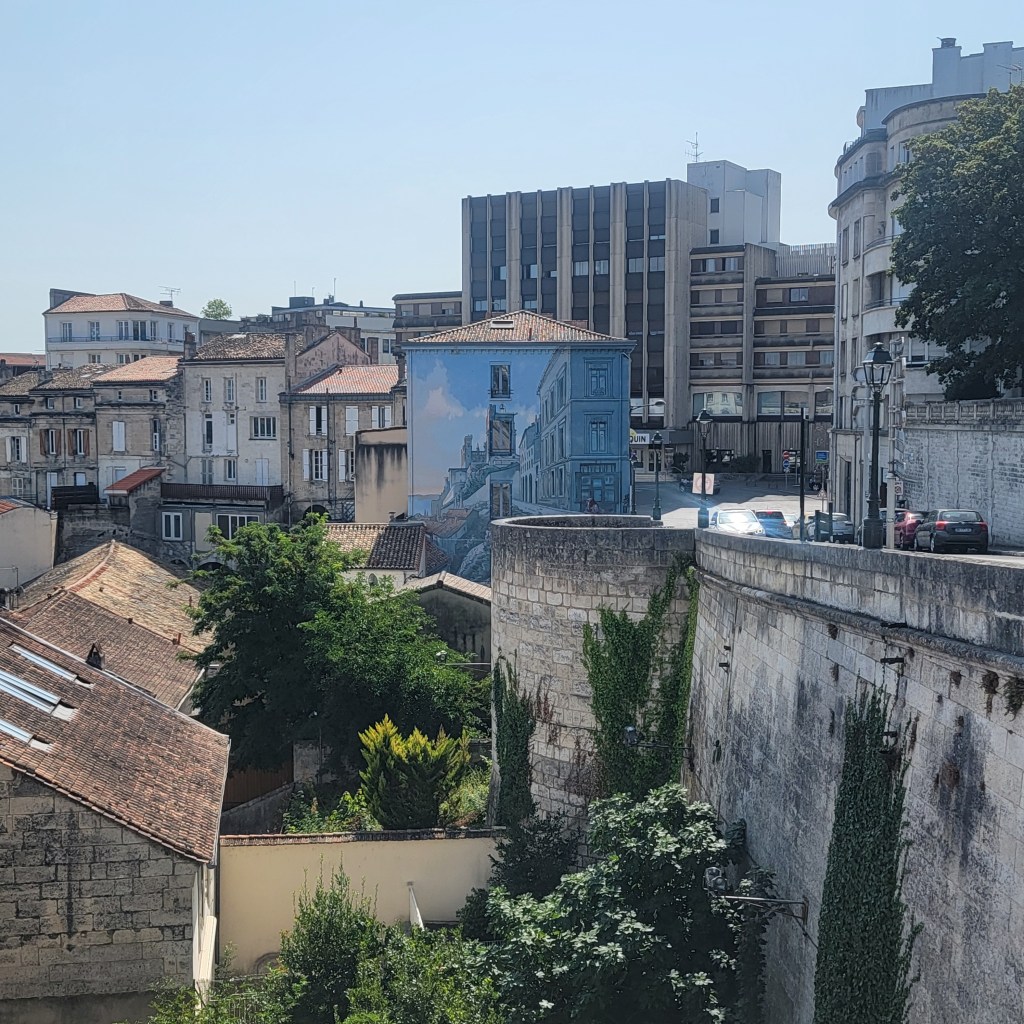
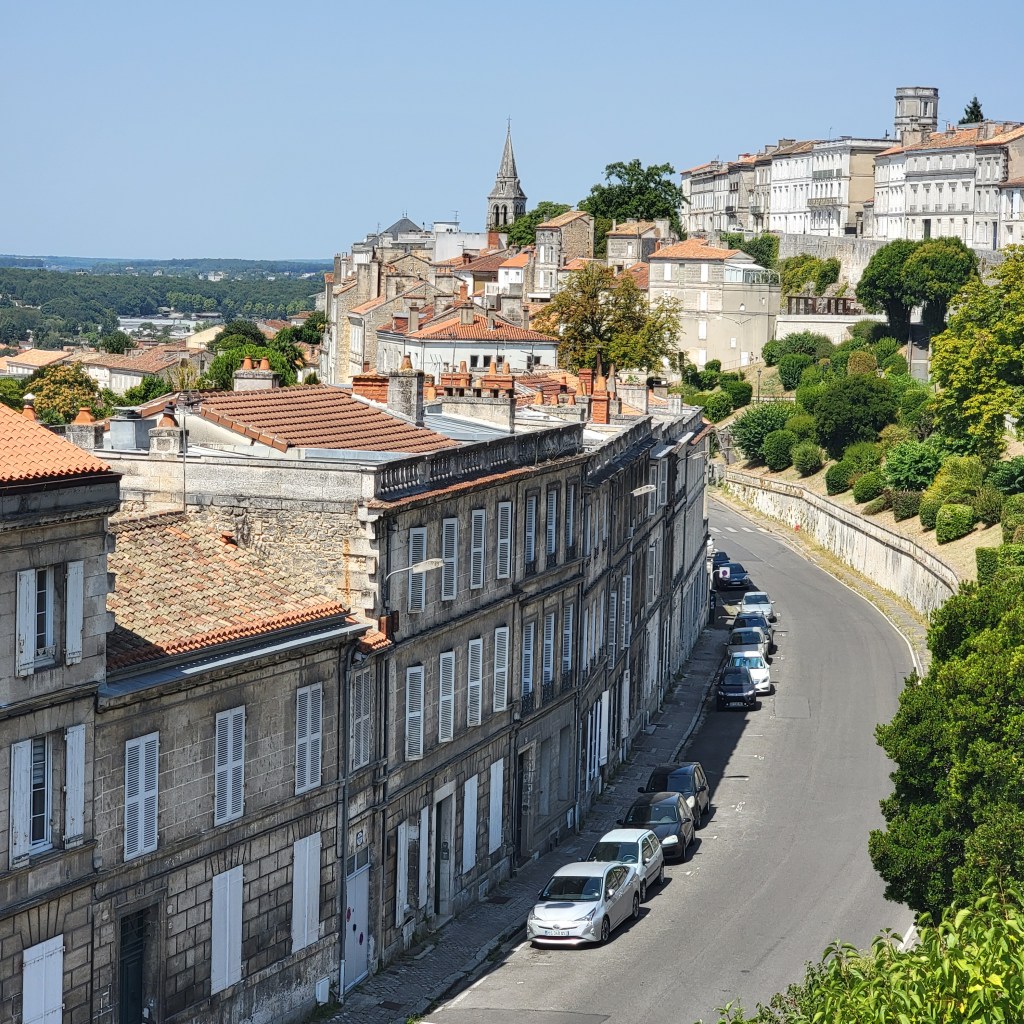
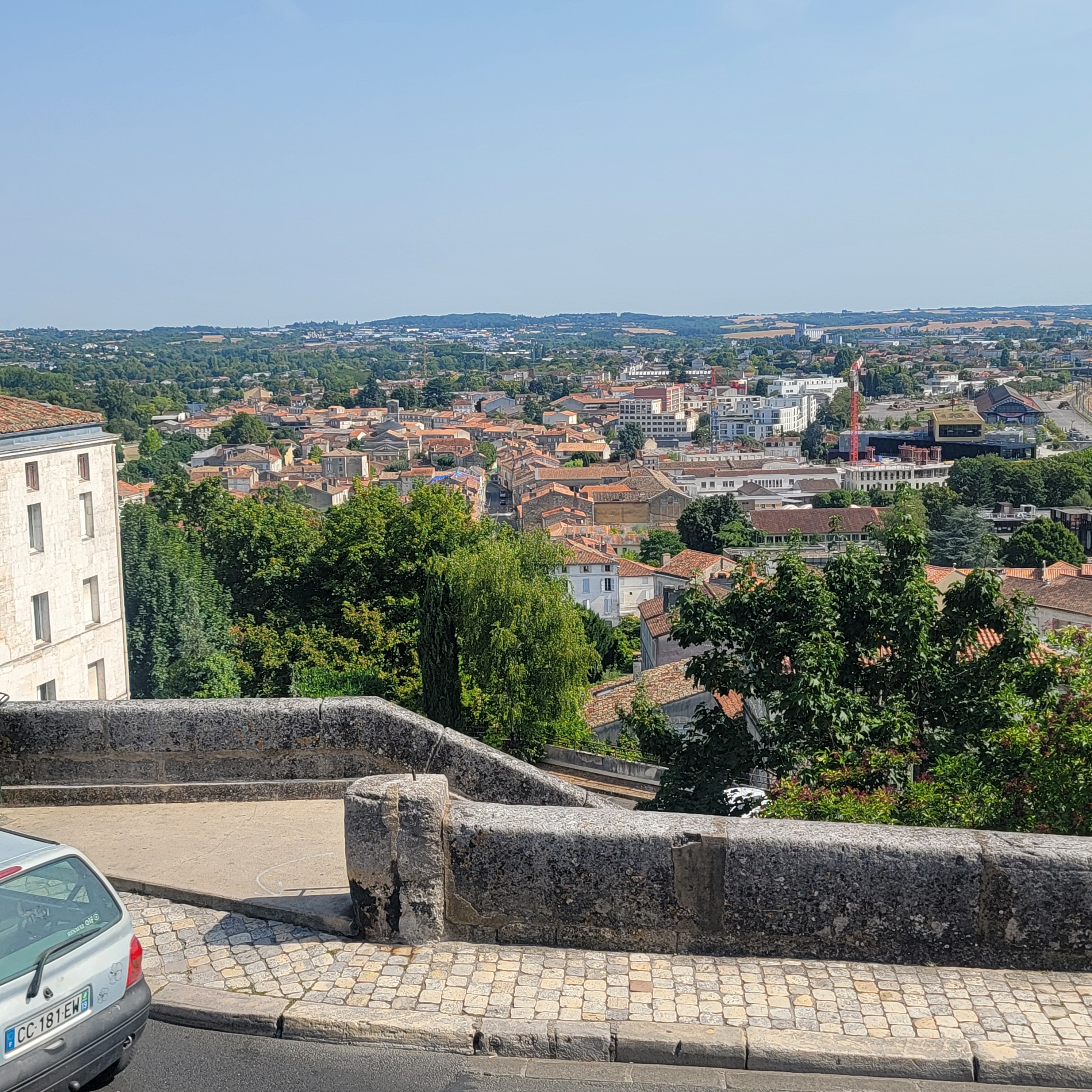
Being so high up and in prime position to see part of the beautiful Charente River, Angoulême is blessed with fantastic views, which have rightly earned it the nickname “balcony of the southwest”.
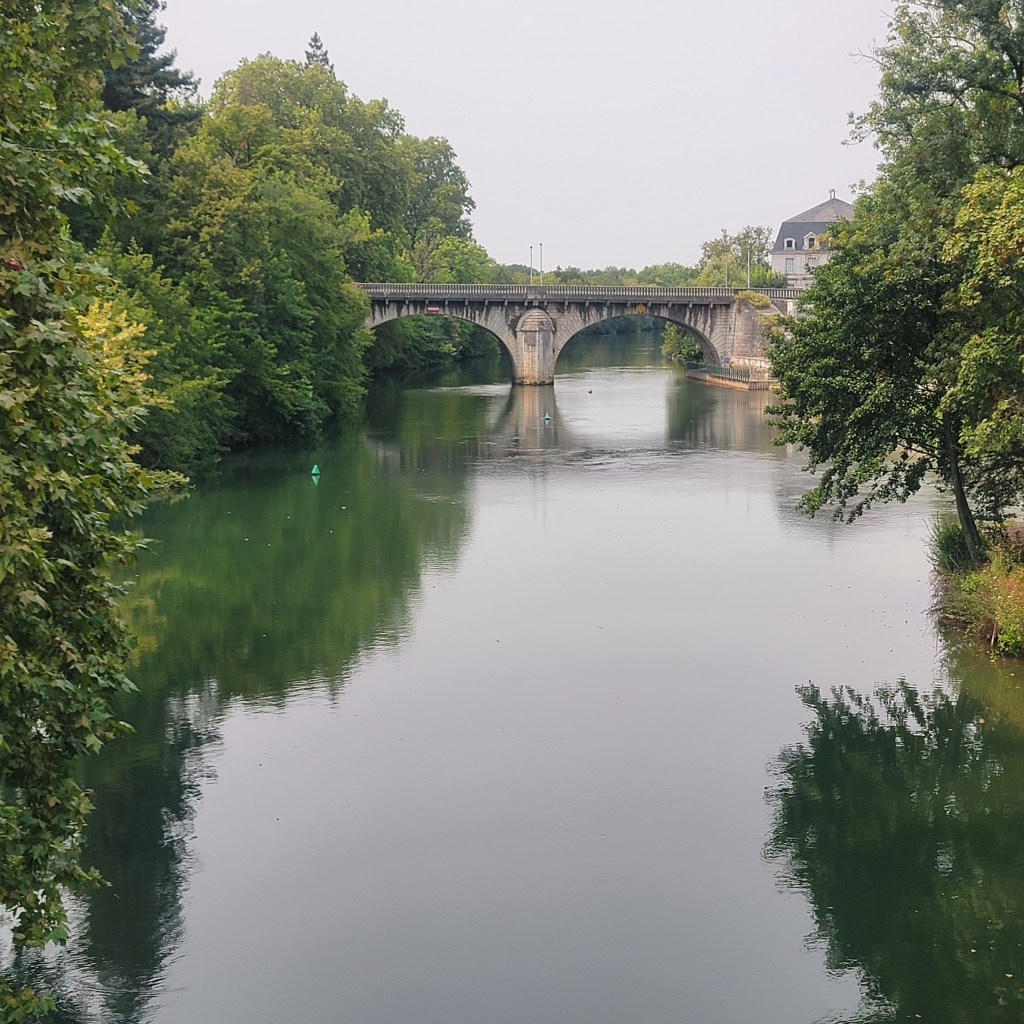
Paper production is another thing the city is well known for. Paper-making and printing have been a happening thing here since the 14th century and although the industry is sadly in decline, the area is still dotted with paper mills.
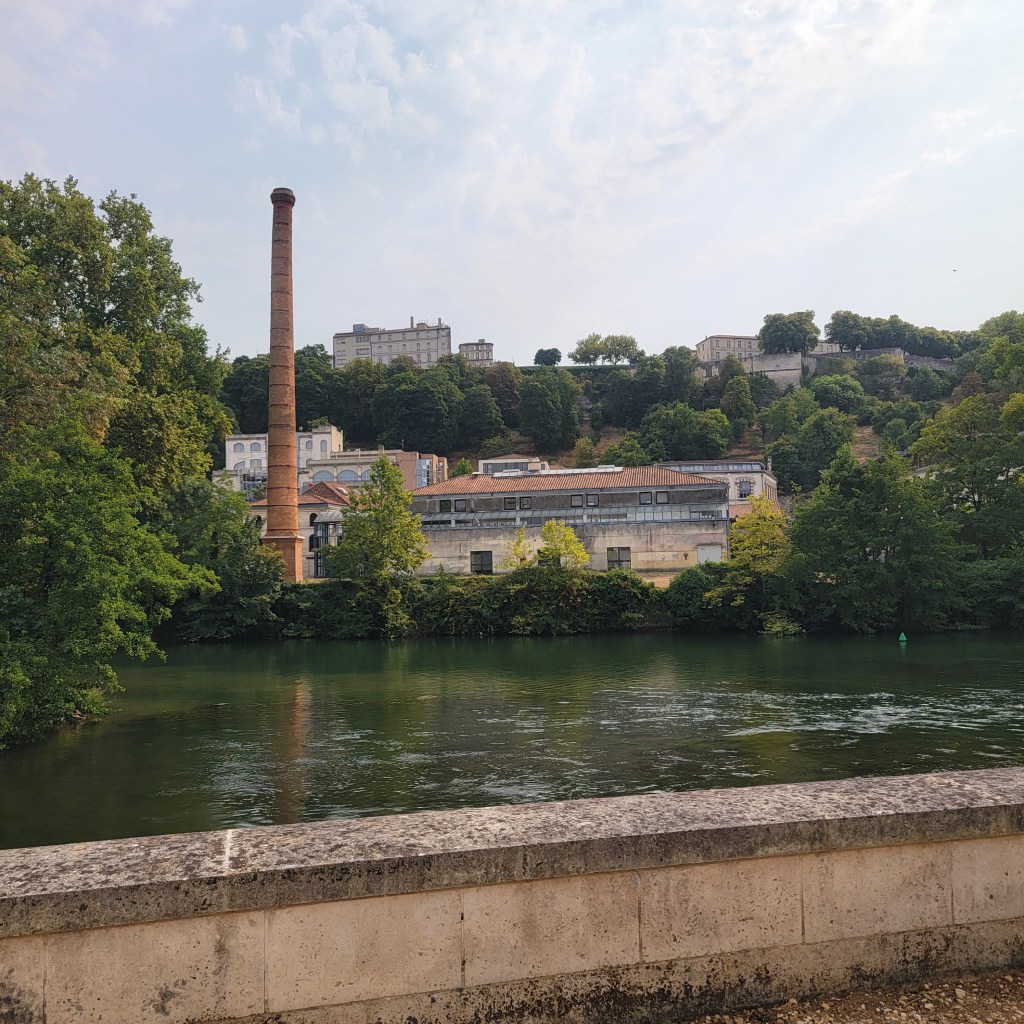
If I hang a right from my apartment and walk down the hill for fifteen minutes, I come to the Charente River. Le Musée du Papier d’Angoulême – the Paper Museum, sits on the riverbank. The part of the museum that I visited was fascinating, showing the remains of huge water wheels and a fabulous display of historical photos, product packaging and advertisements produced over the years, all set amidst the powerful sound of rushing water from the Charente River visible through the big glass windows of the museum.
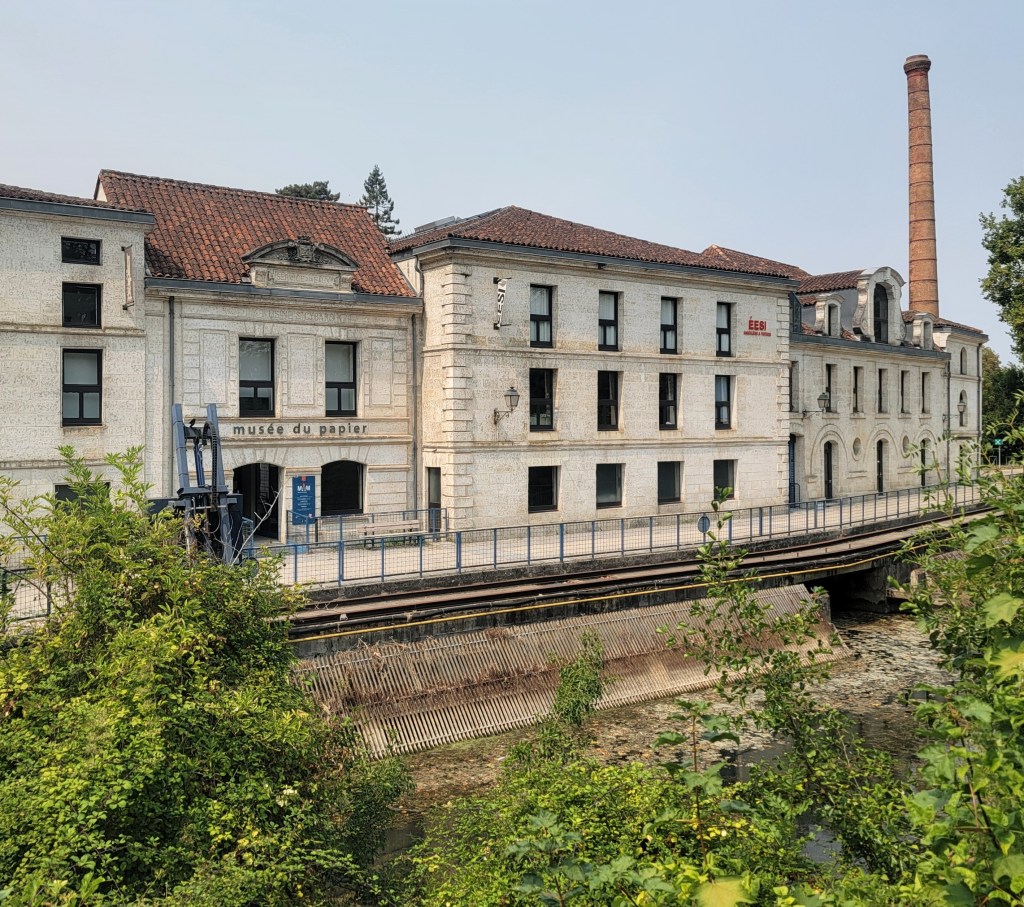

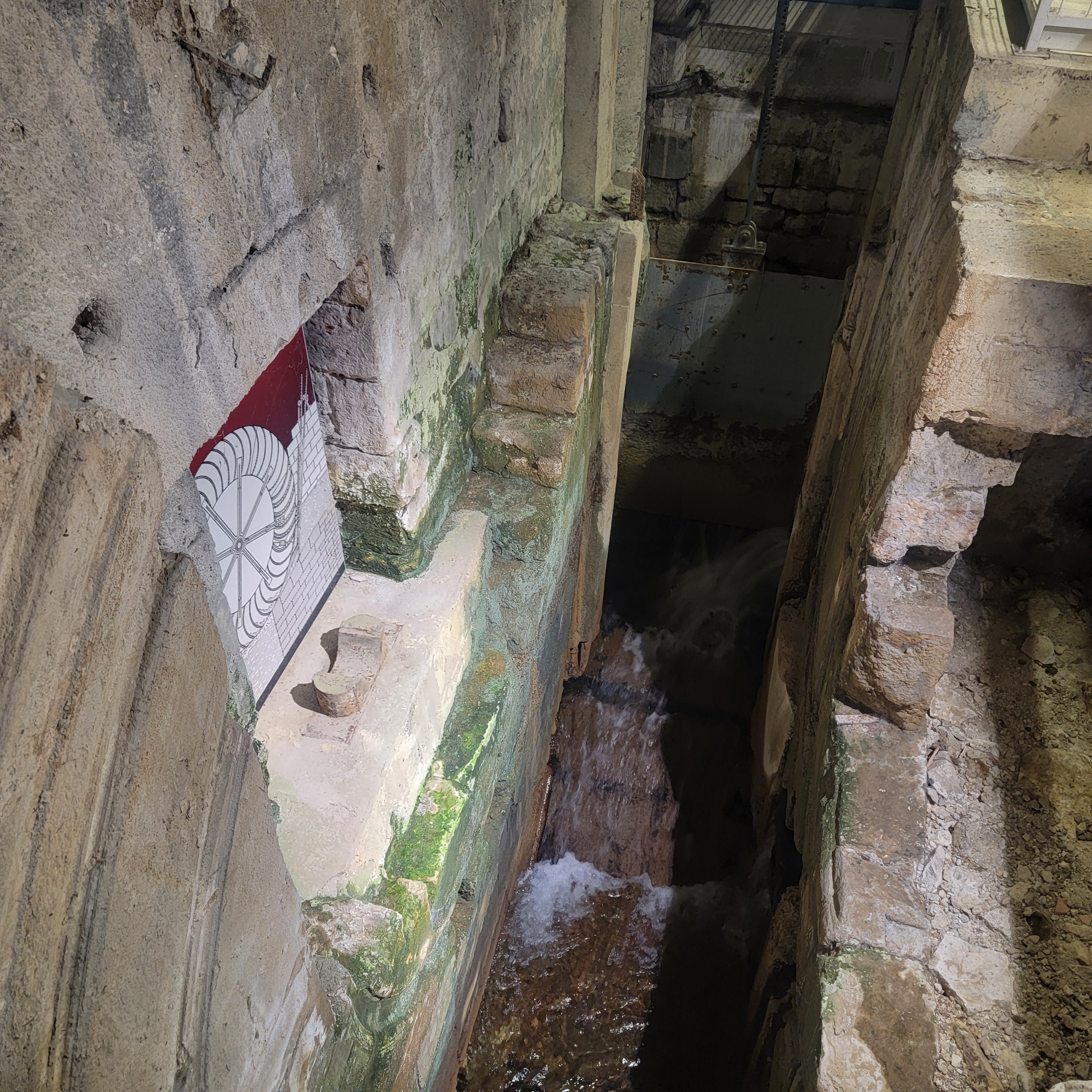
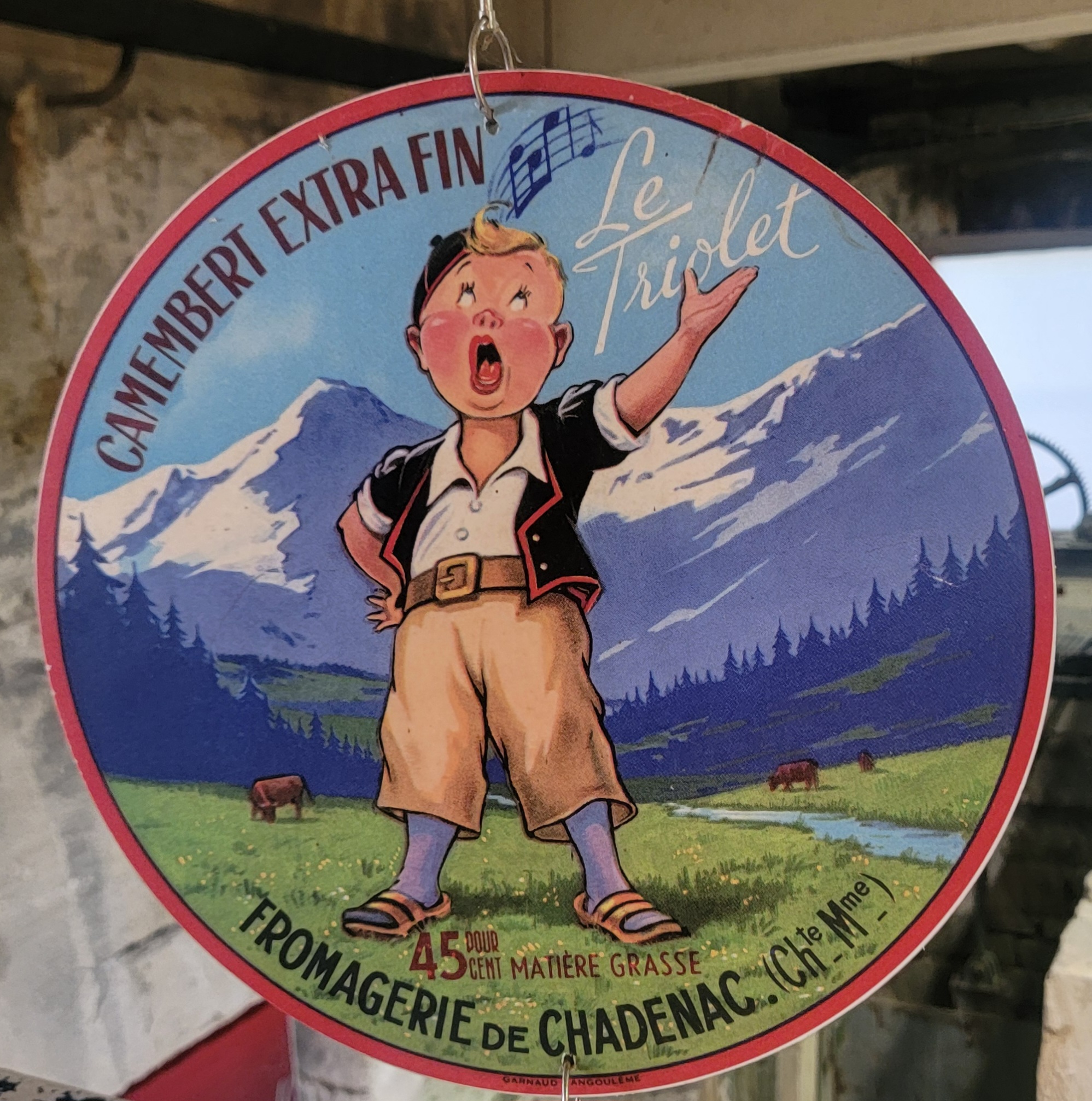
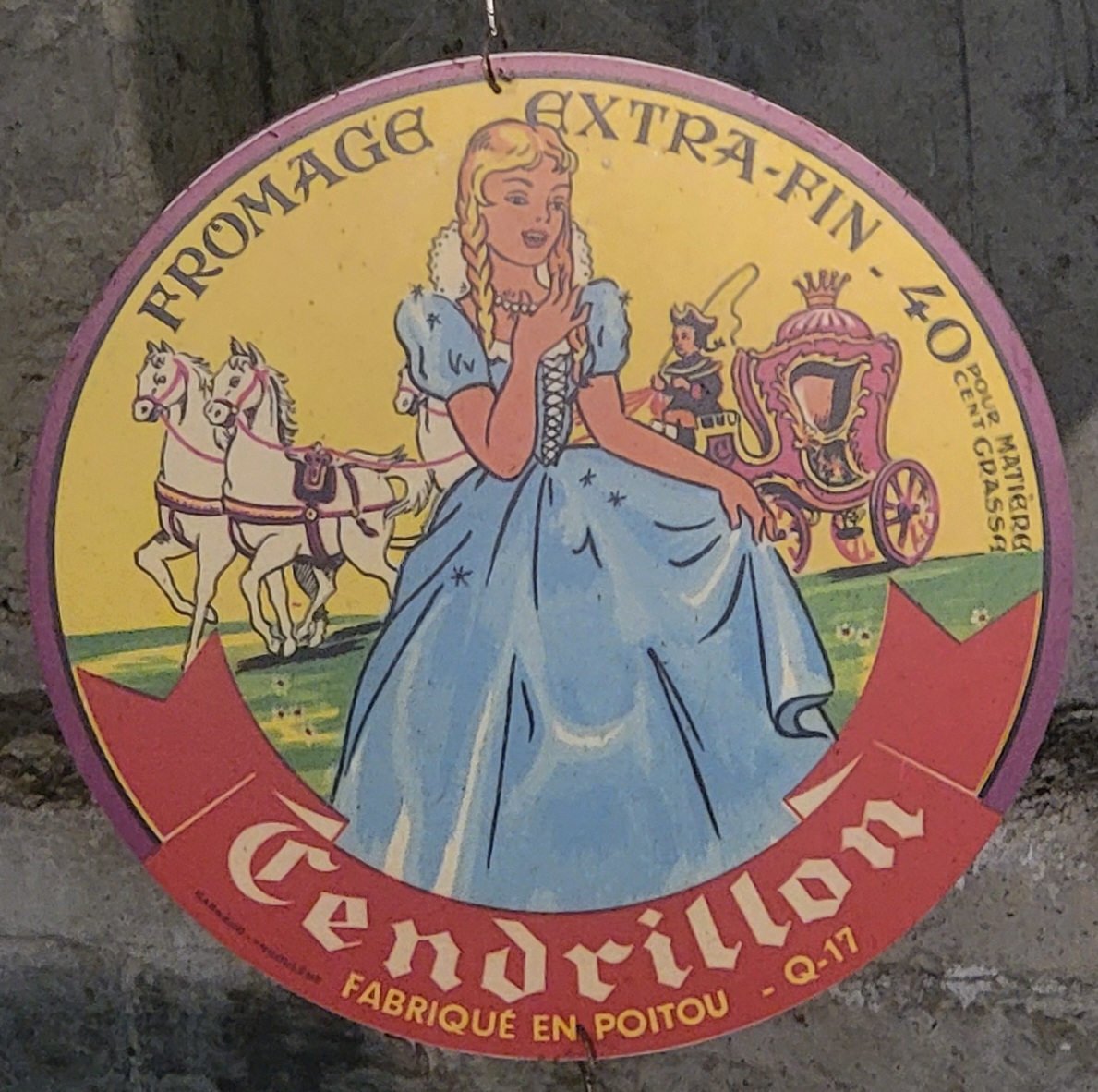

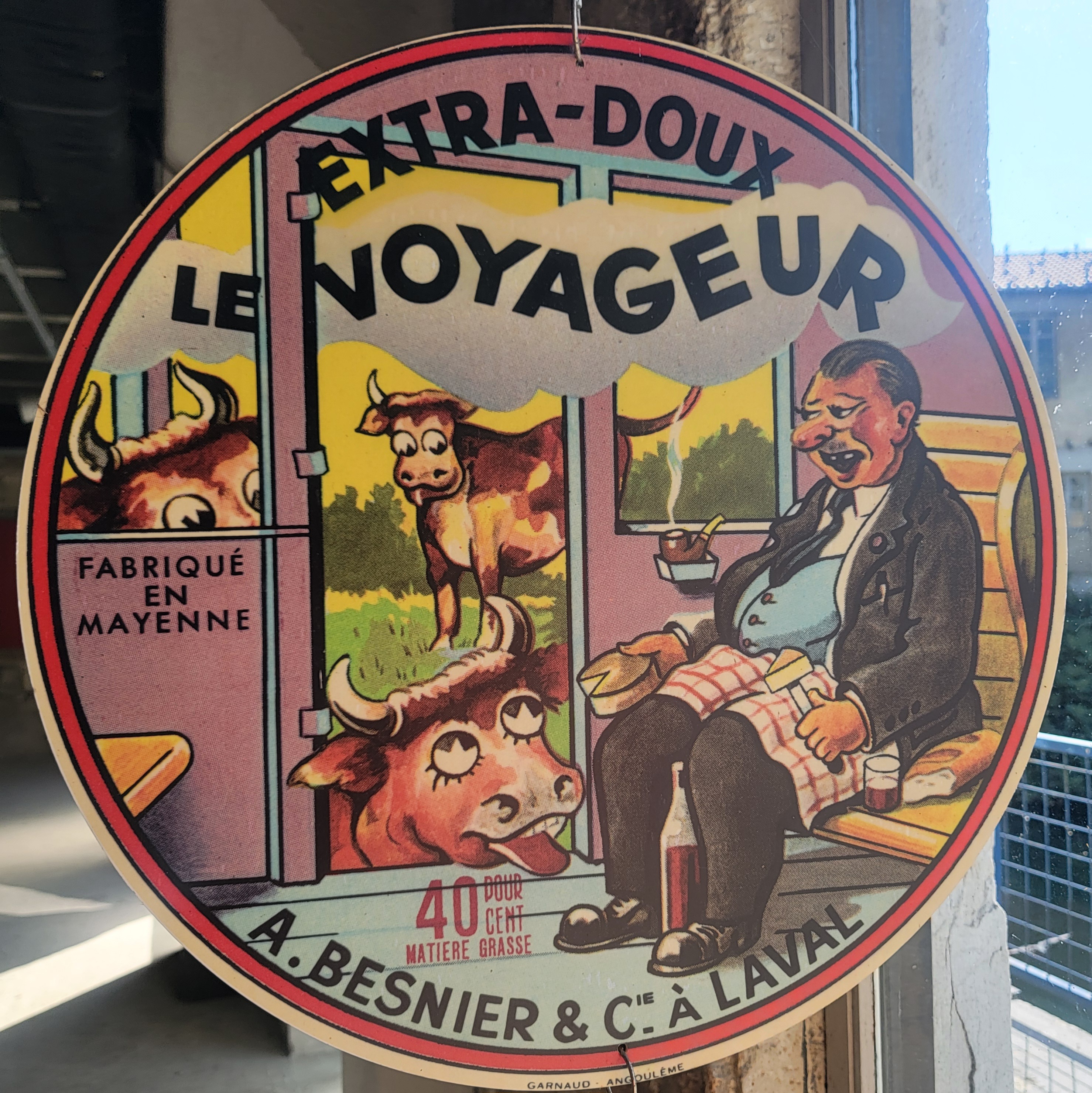
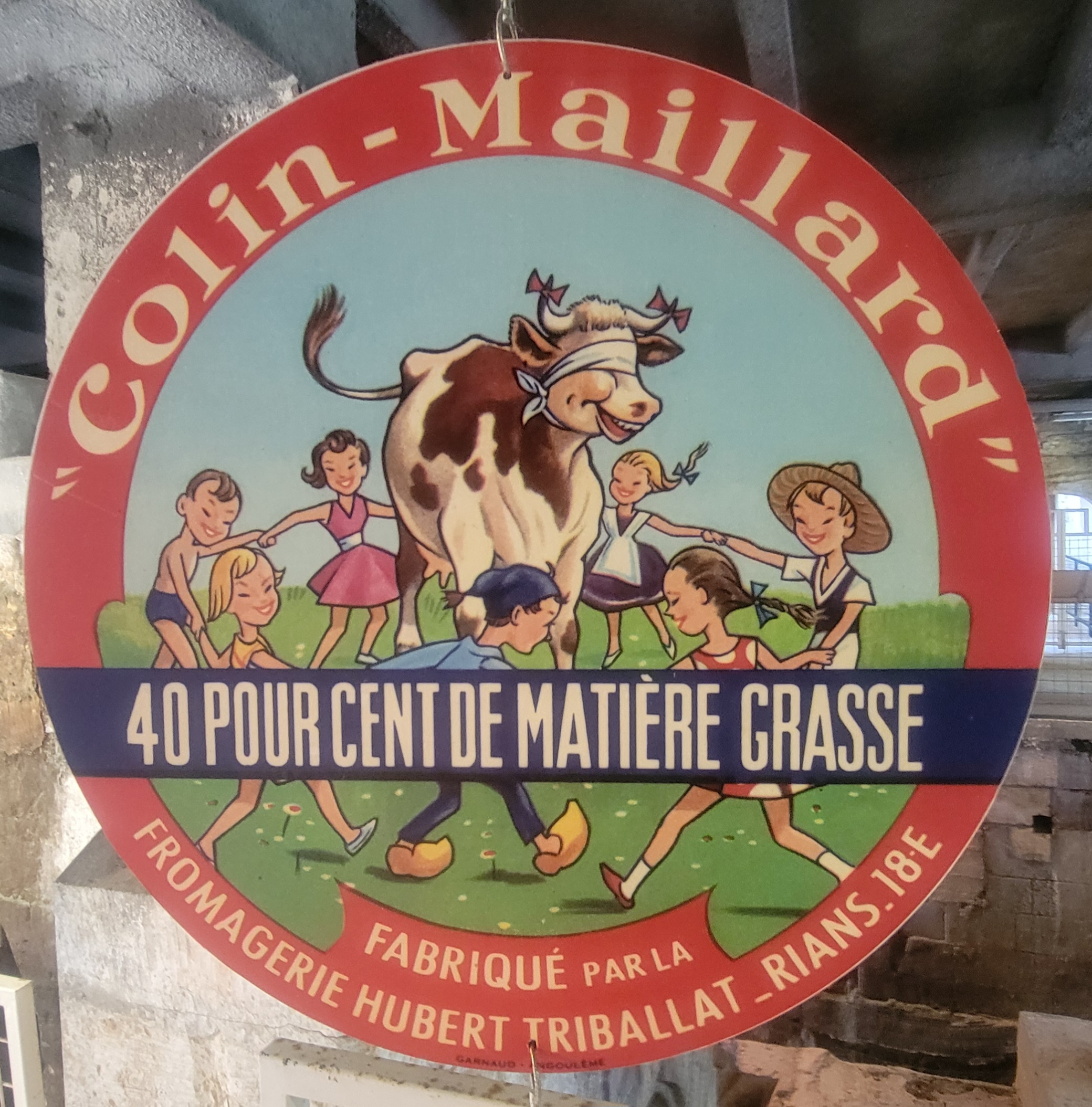
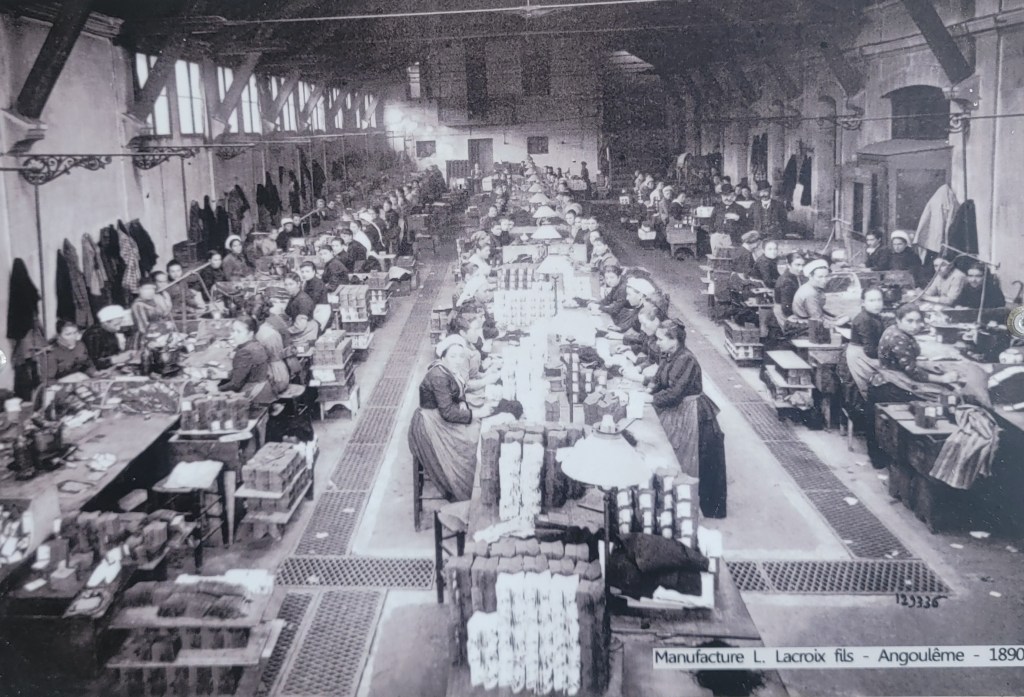
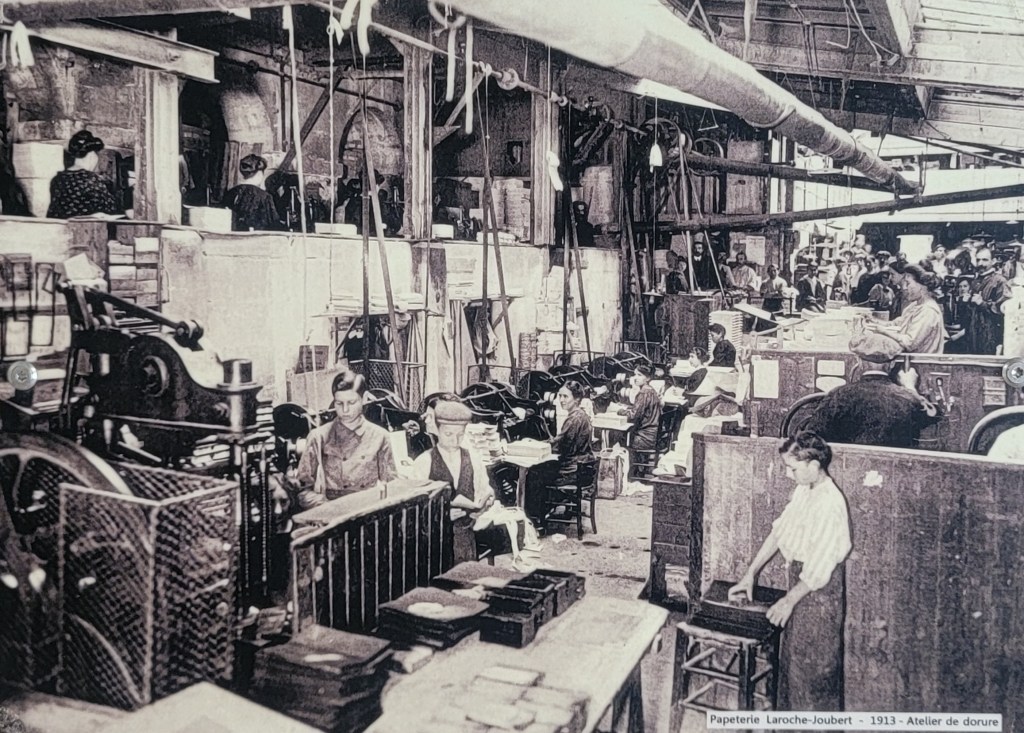
When I had begun my tour however, it was the end of an extremely hot day and I was getting very tired and hungry which is not a good combo pour moi, so I left without seeing a lot of things, thinking I’d be back in a day or so. Unfortunately, on the day that I returned the sign on the museum door informed me that it was closed due to the heat, and the next day, my last in Angoulême, was a Monday when most things including the Paper Museum, are closed. Ah well, hopefully I will get to complete the tour another time.
However, I did manage a wonderful visit to the Musée Angoulême.
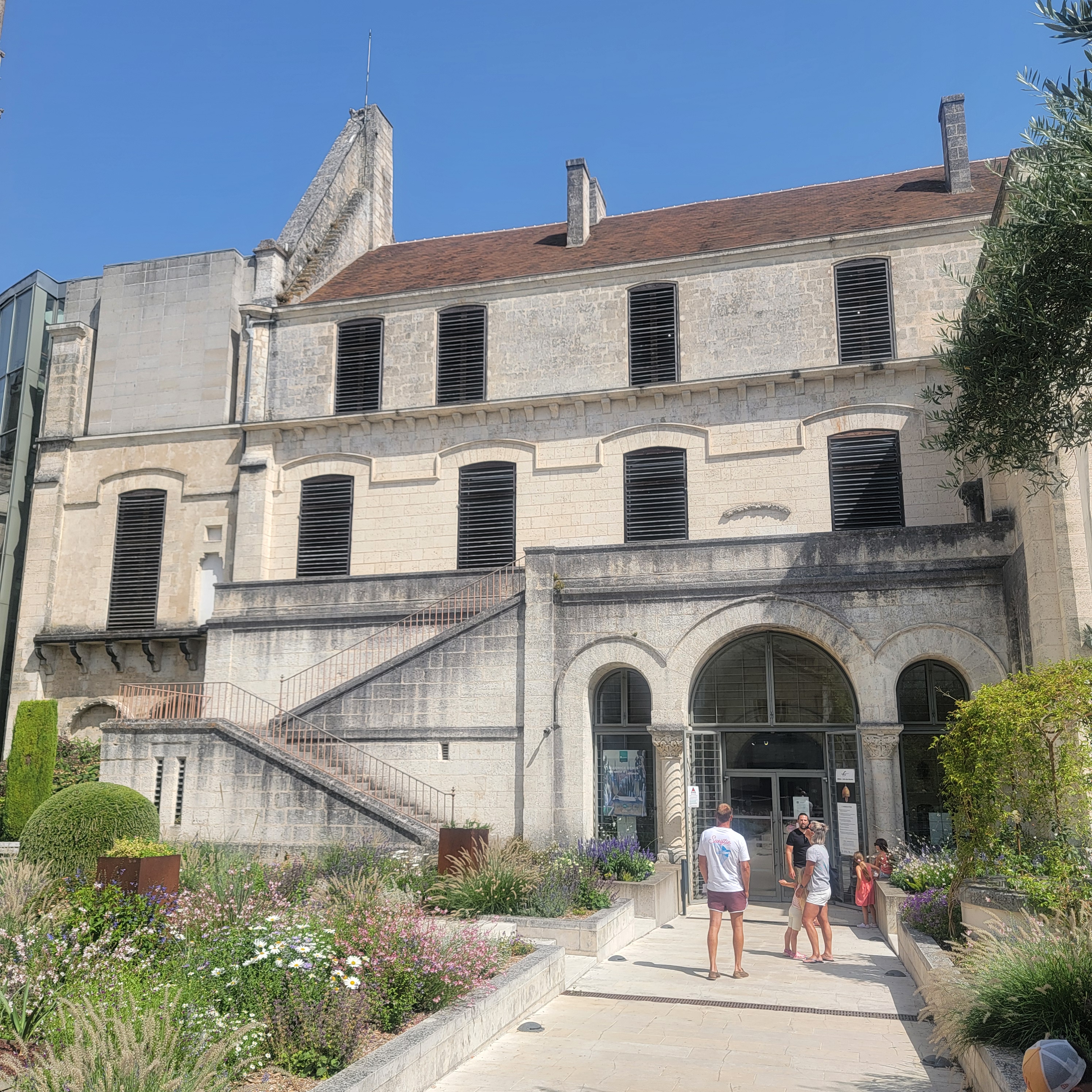
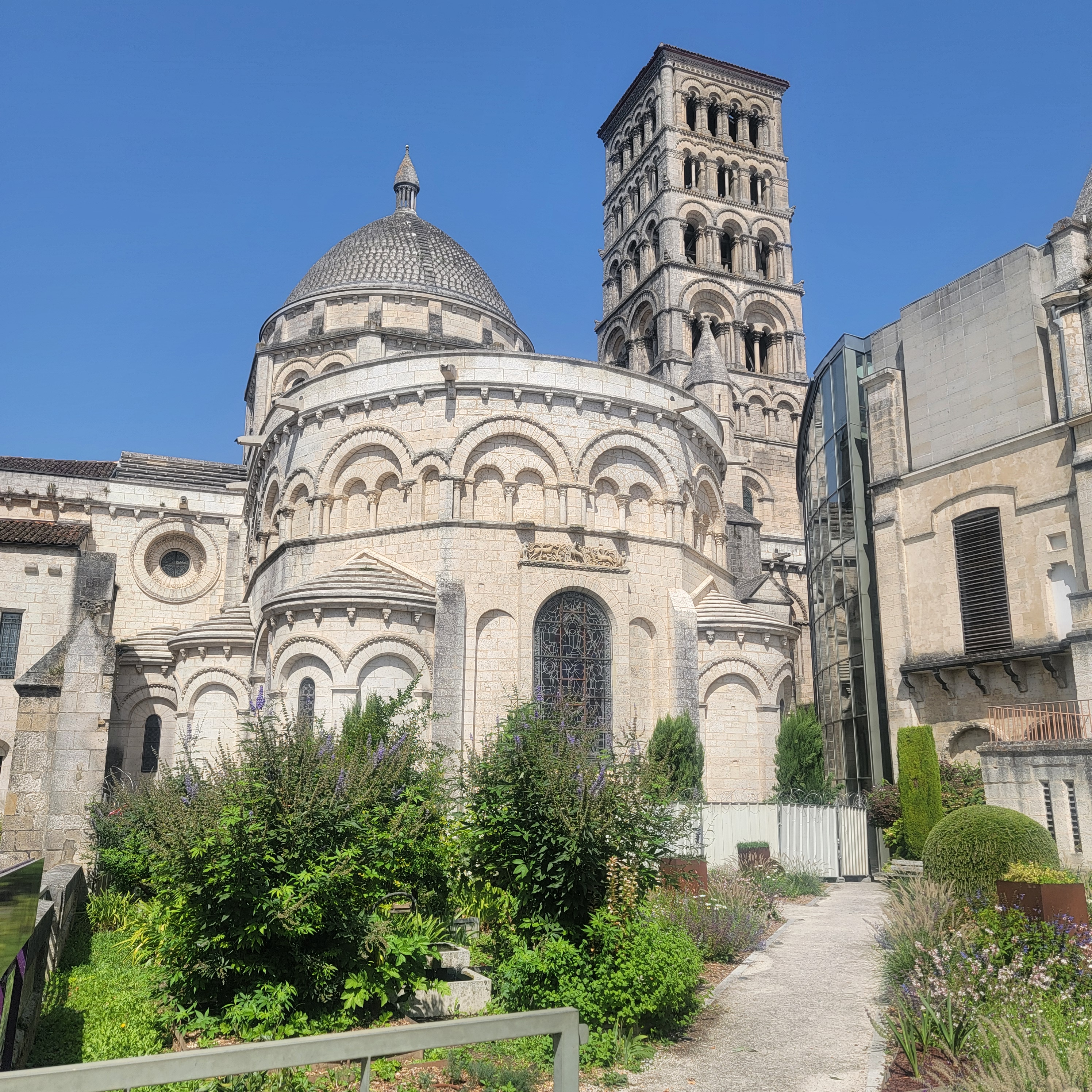
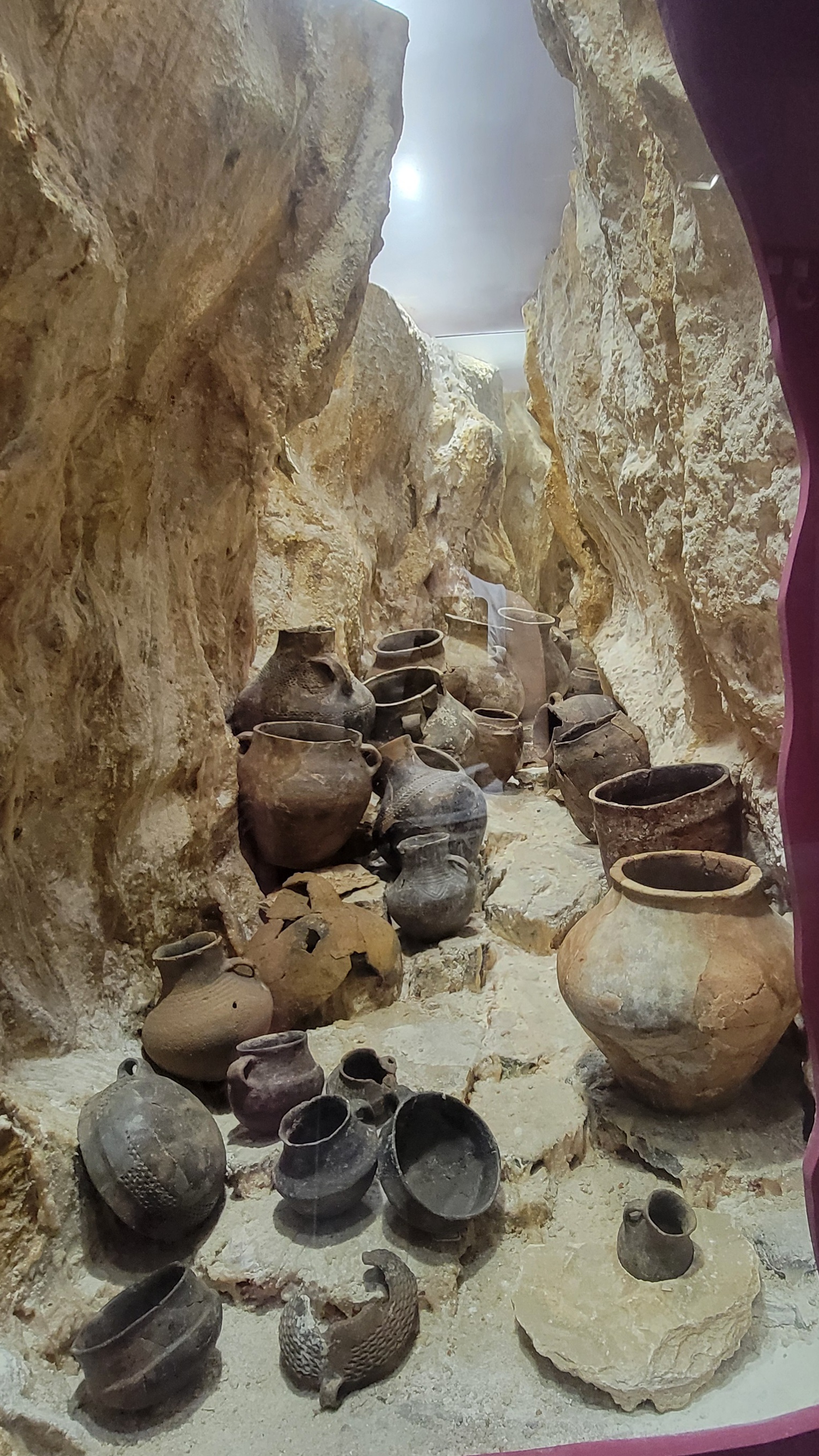
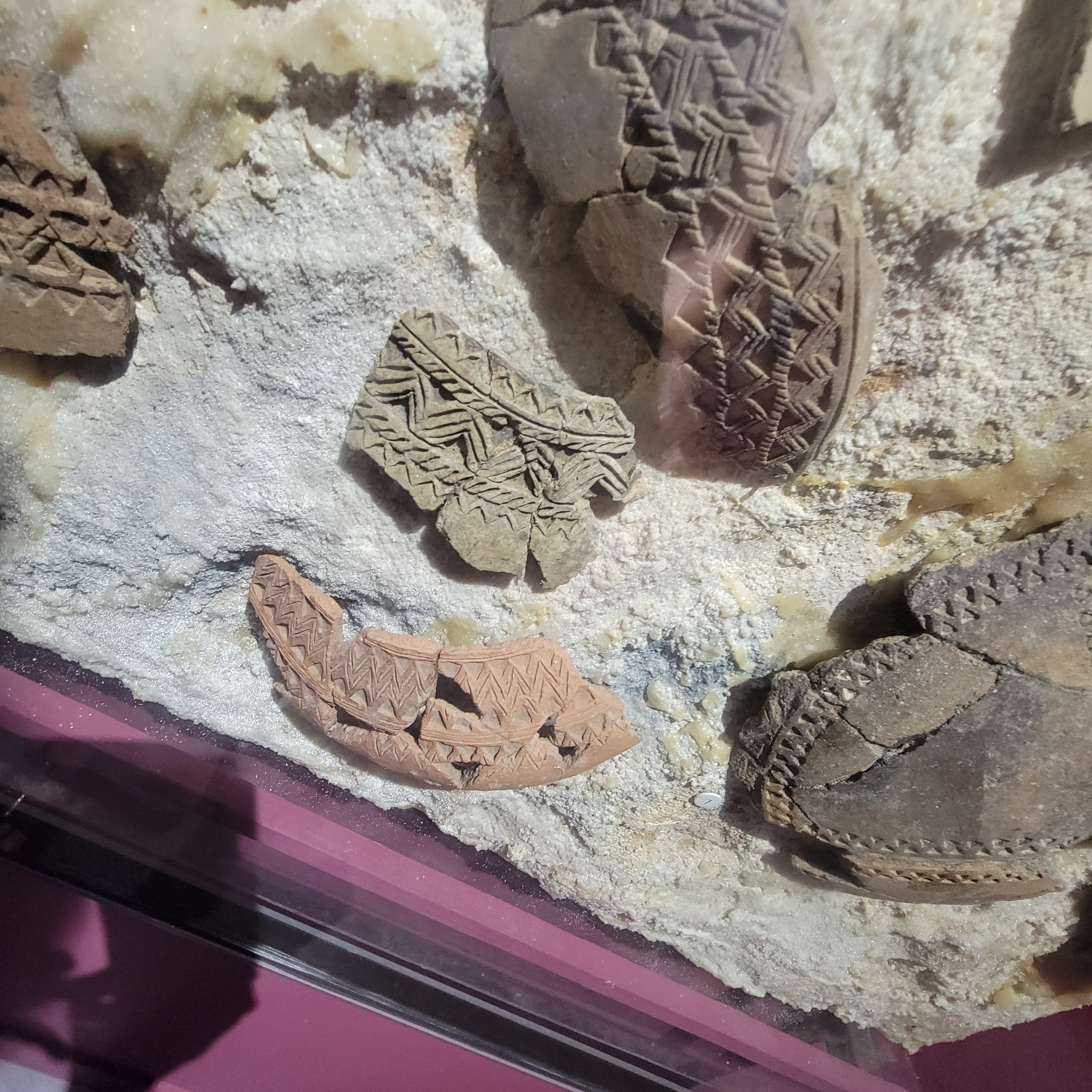
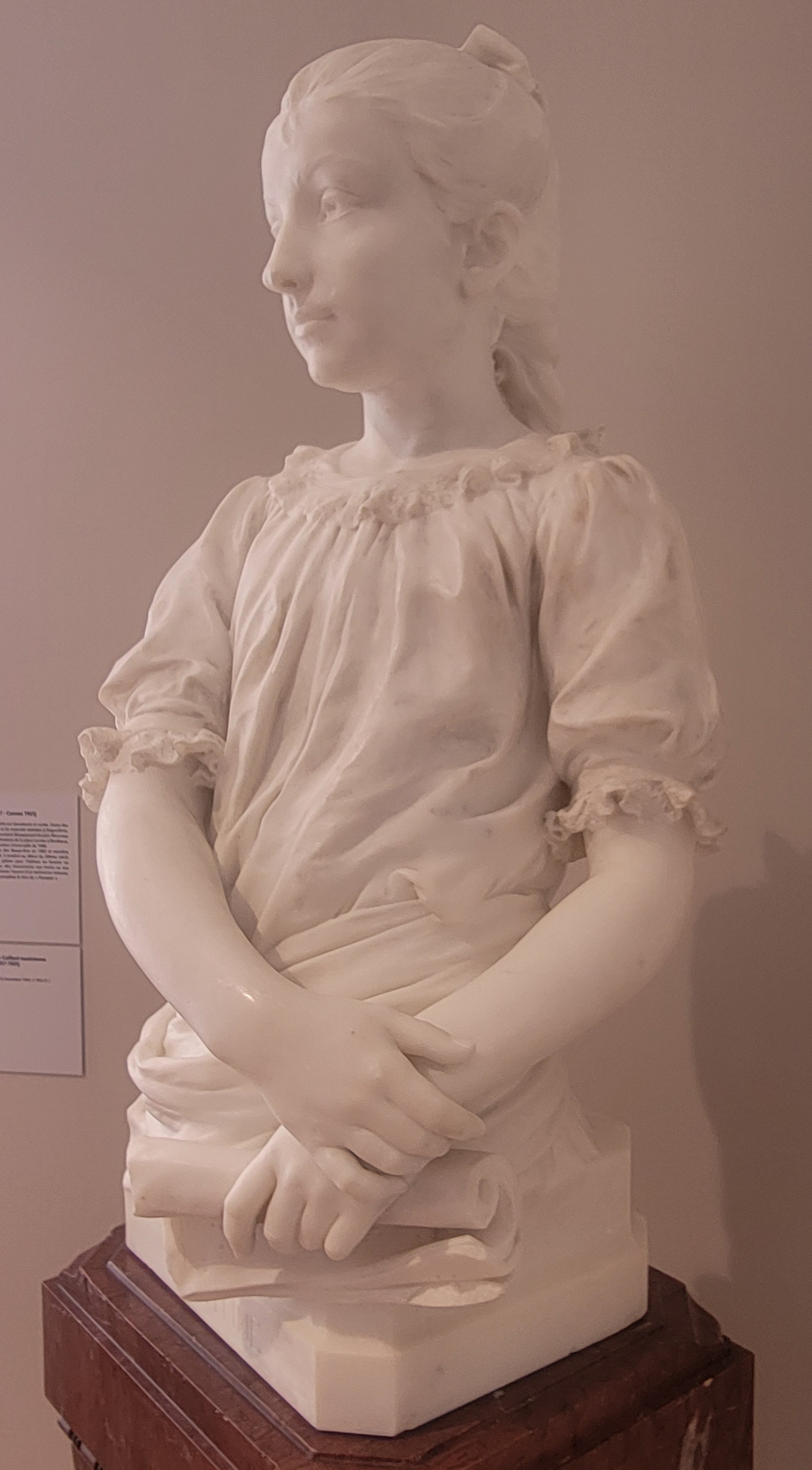
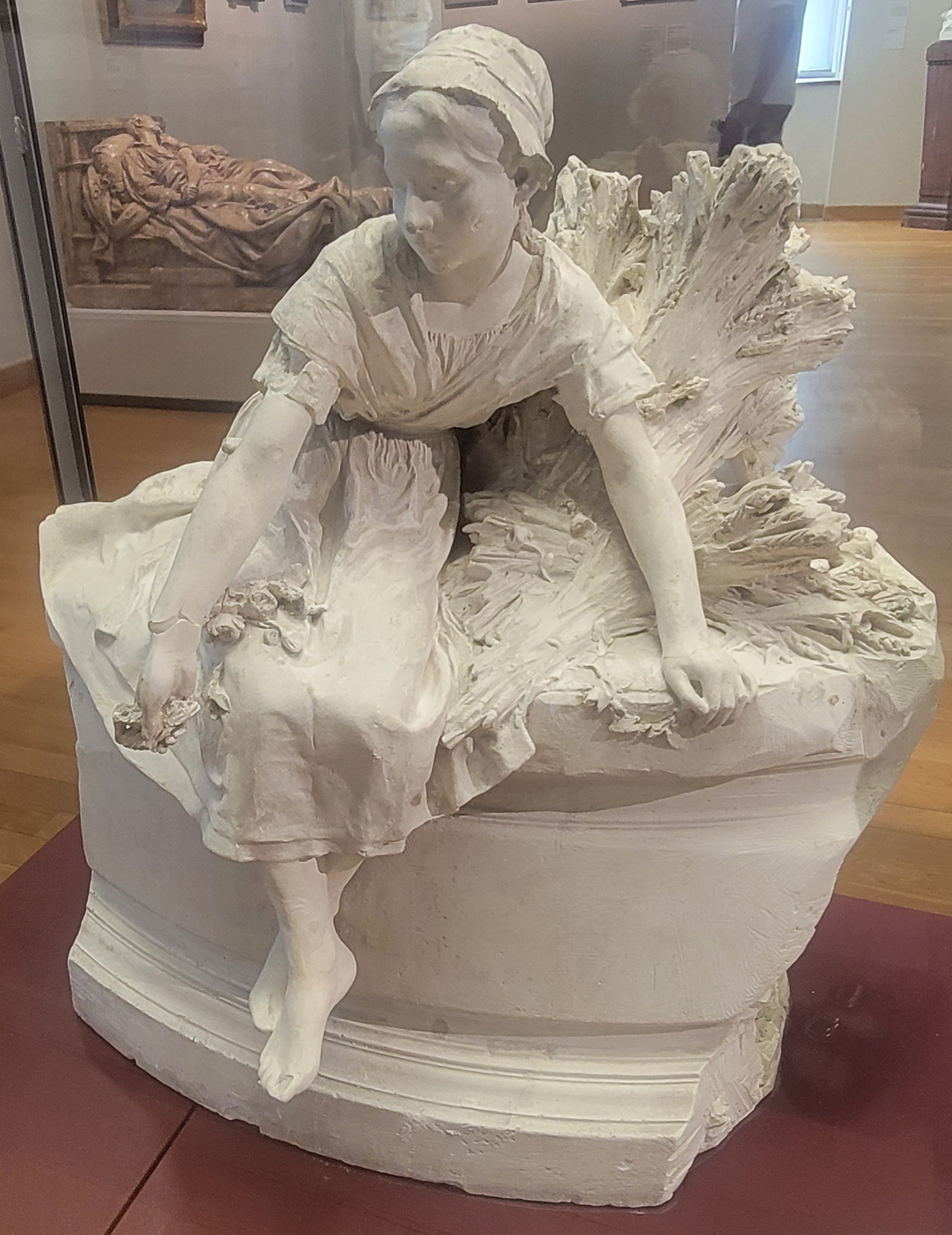
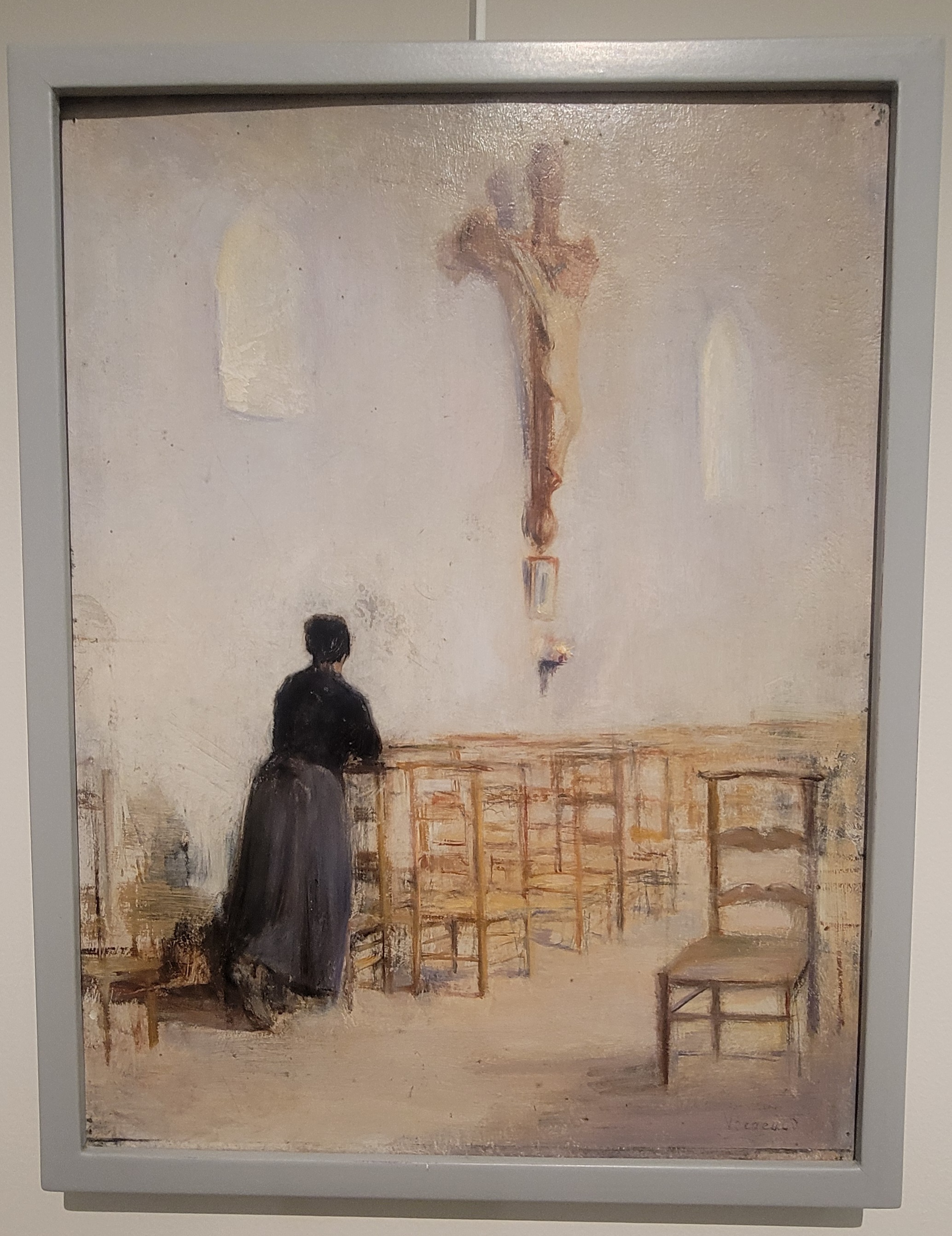
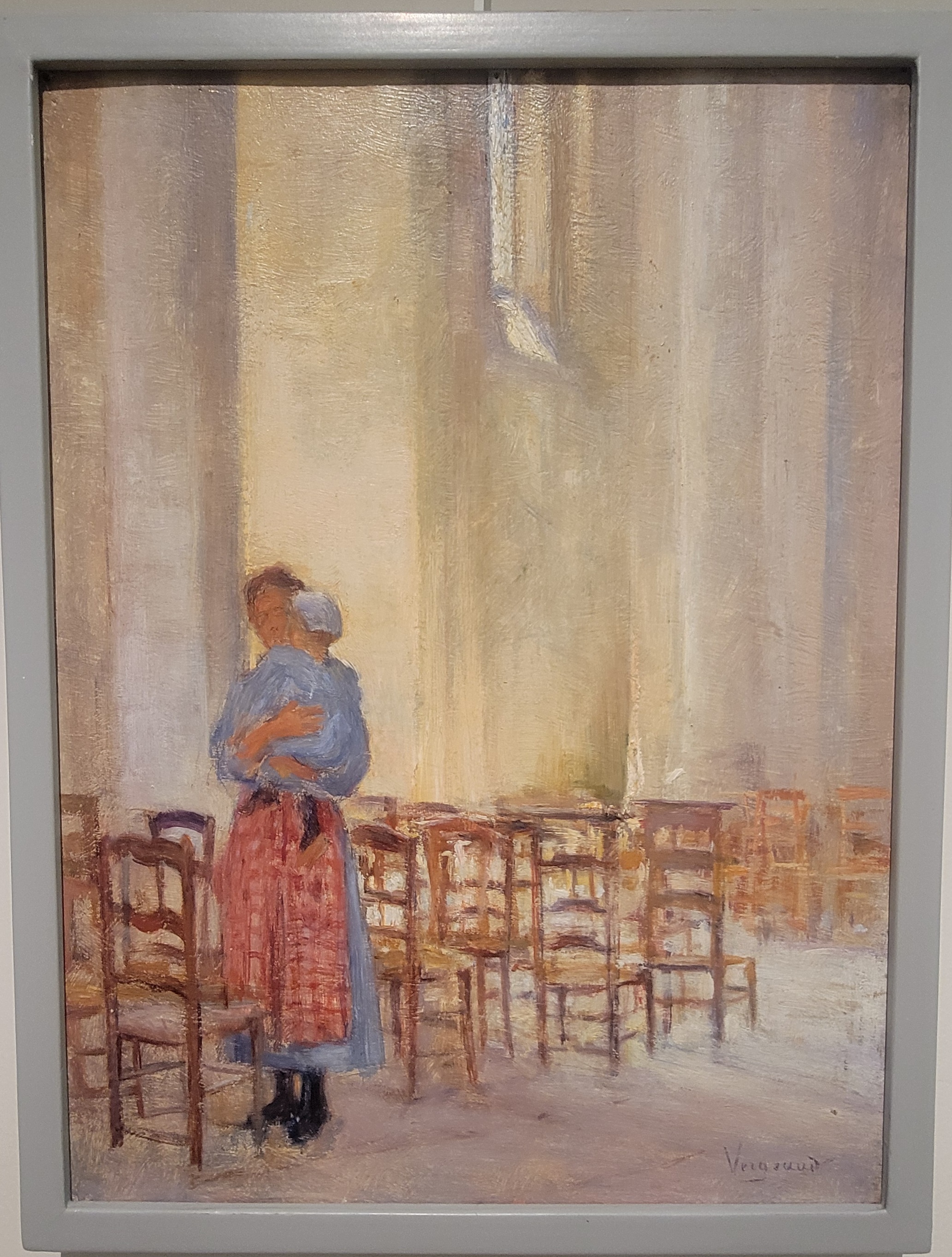
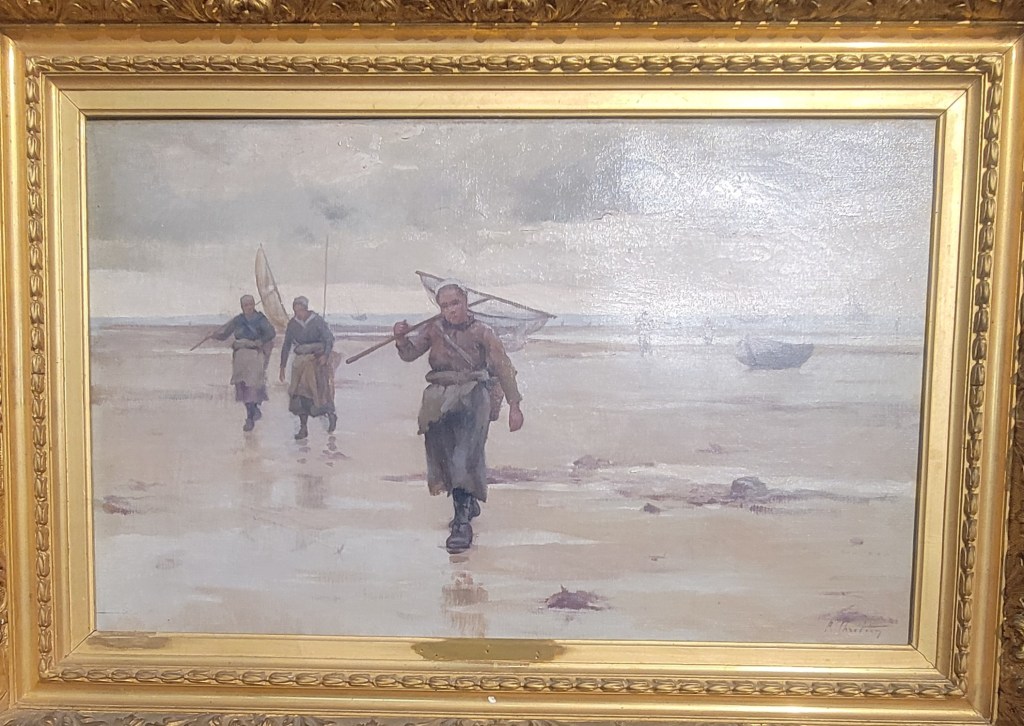

And I paid a visit to the grand Cathédrale Saint-Pierre.
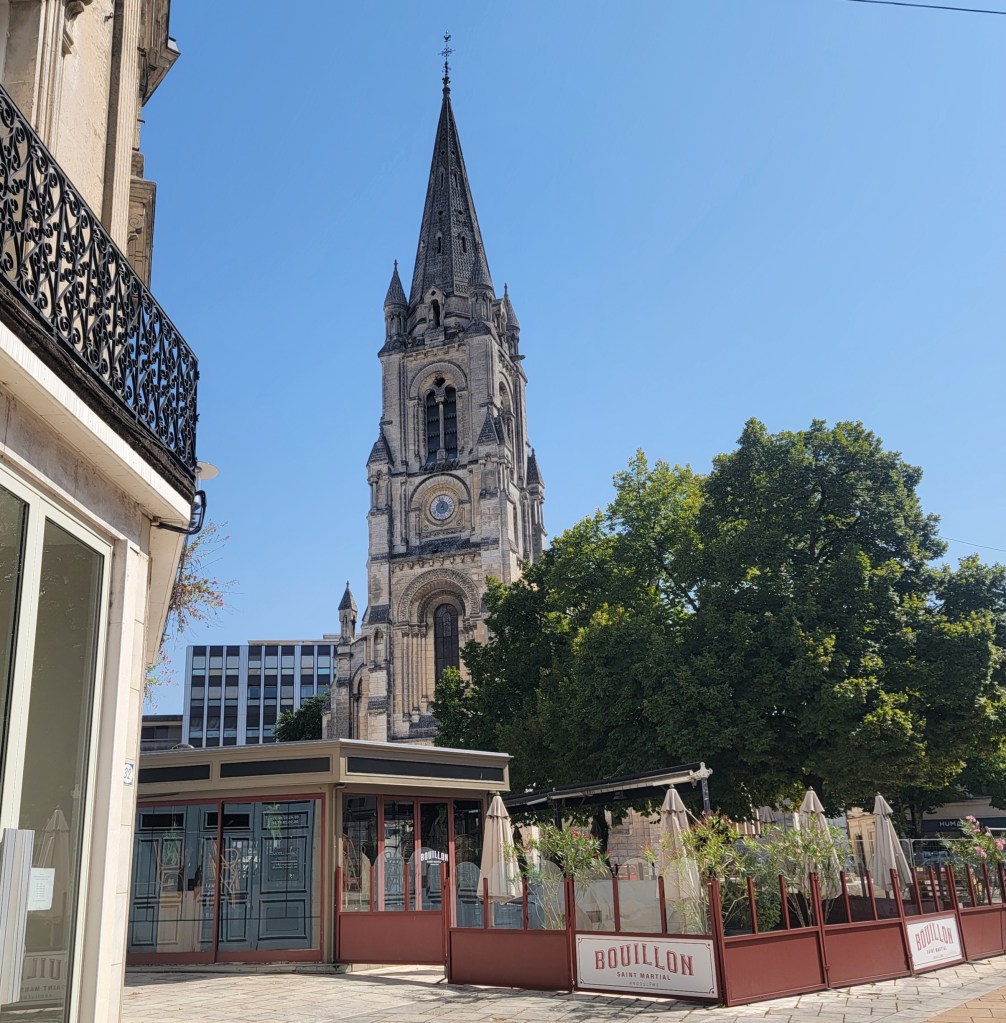
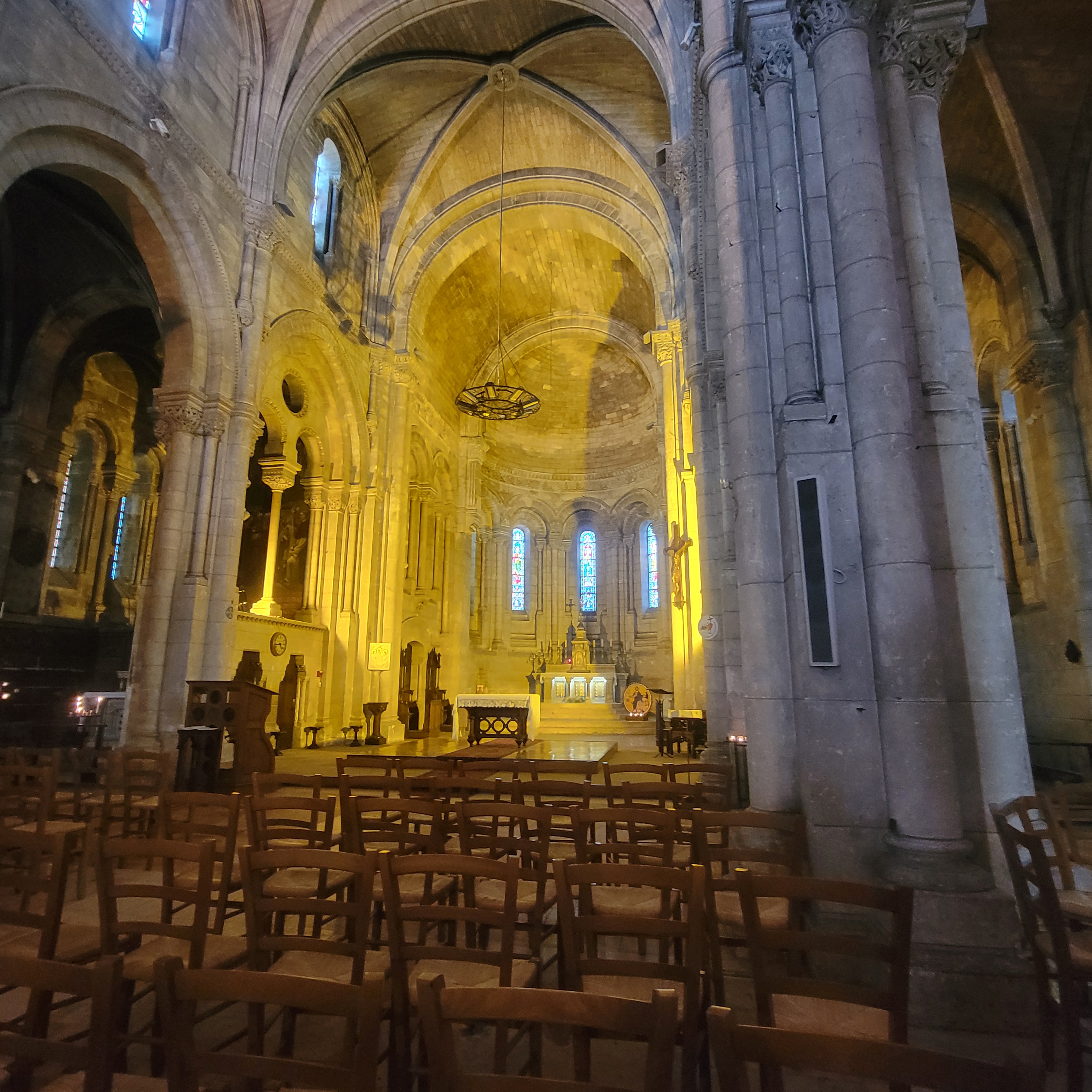
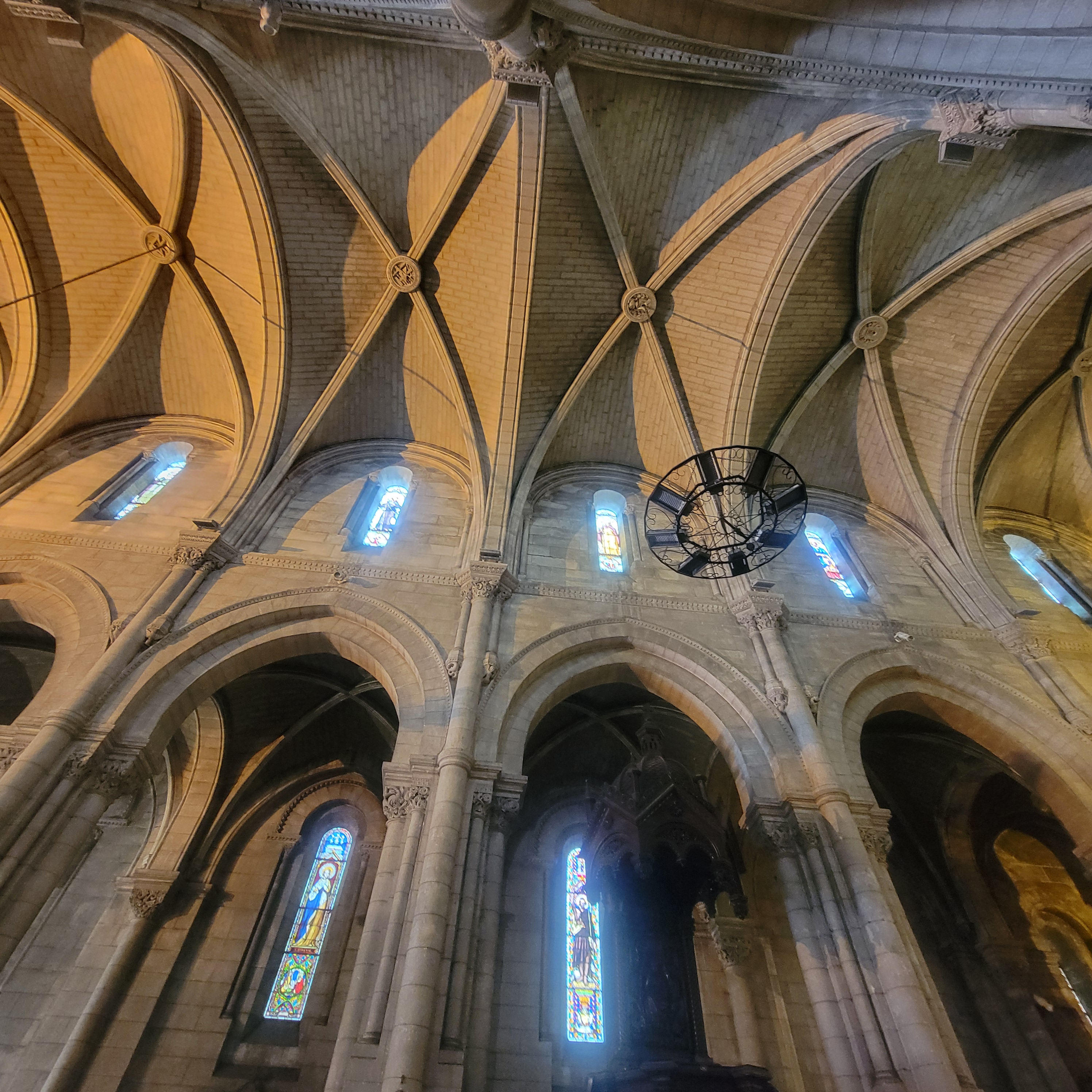
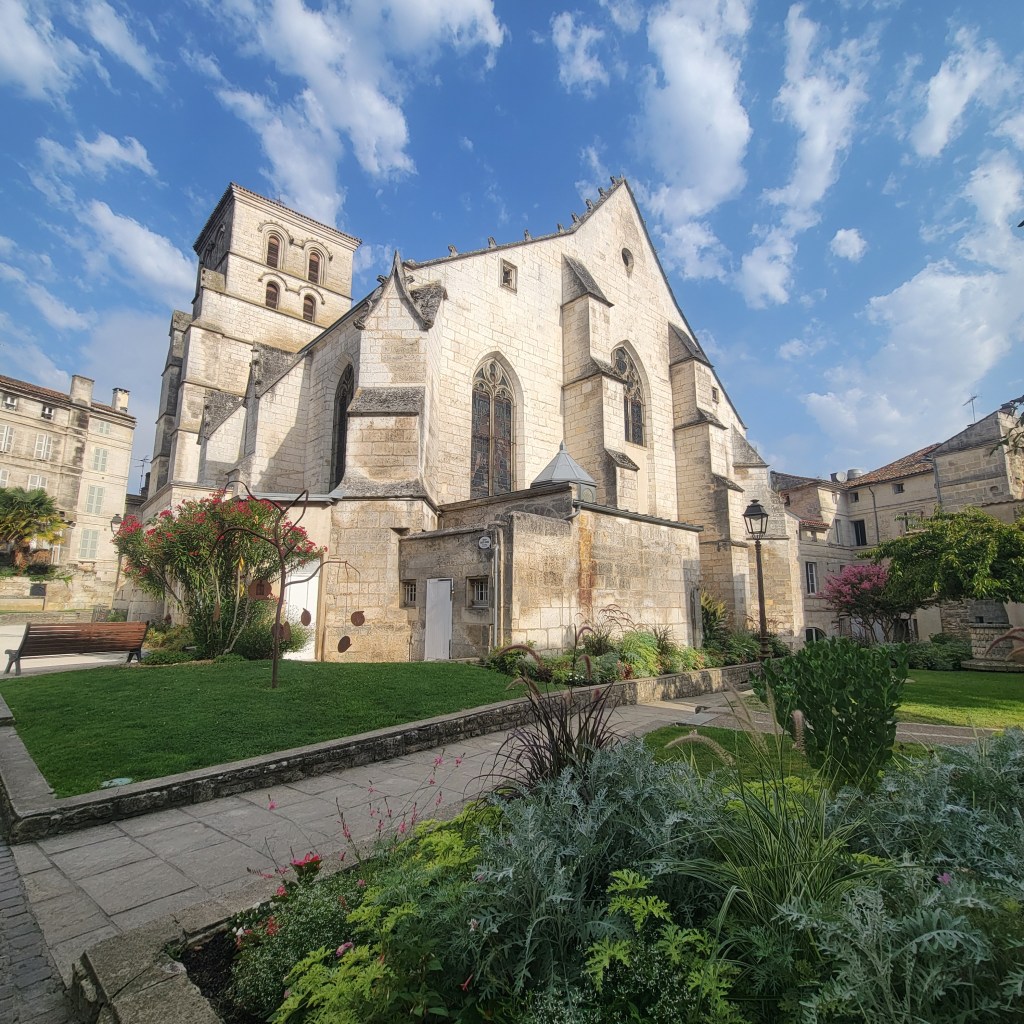
But whilst wandering around some backstreets of the old city, I stumbled upon L’Eglise Saint-André. I find it incredible that one city can have two such incredible churches so close together. (There was actually at least one more, just a few minutes’ walk down another side street, but it was closed so I didn’t get a chance to see inside it. Another reason to come back again!)
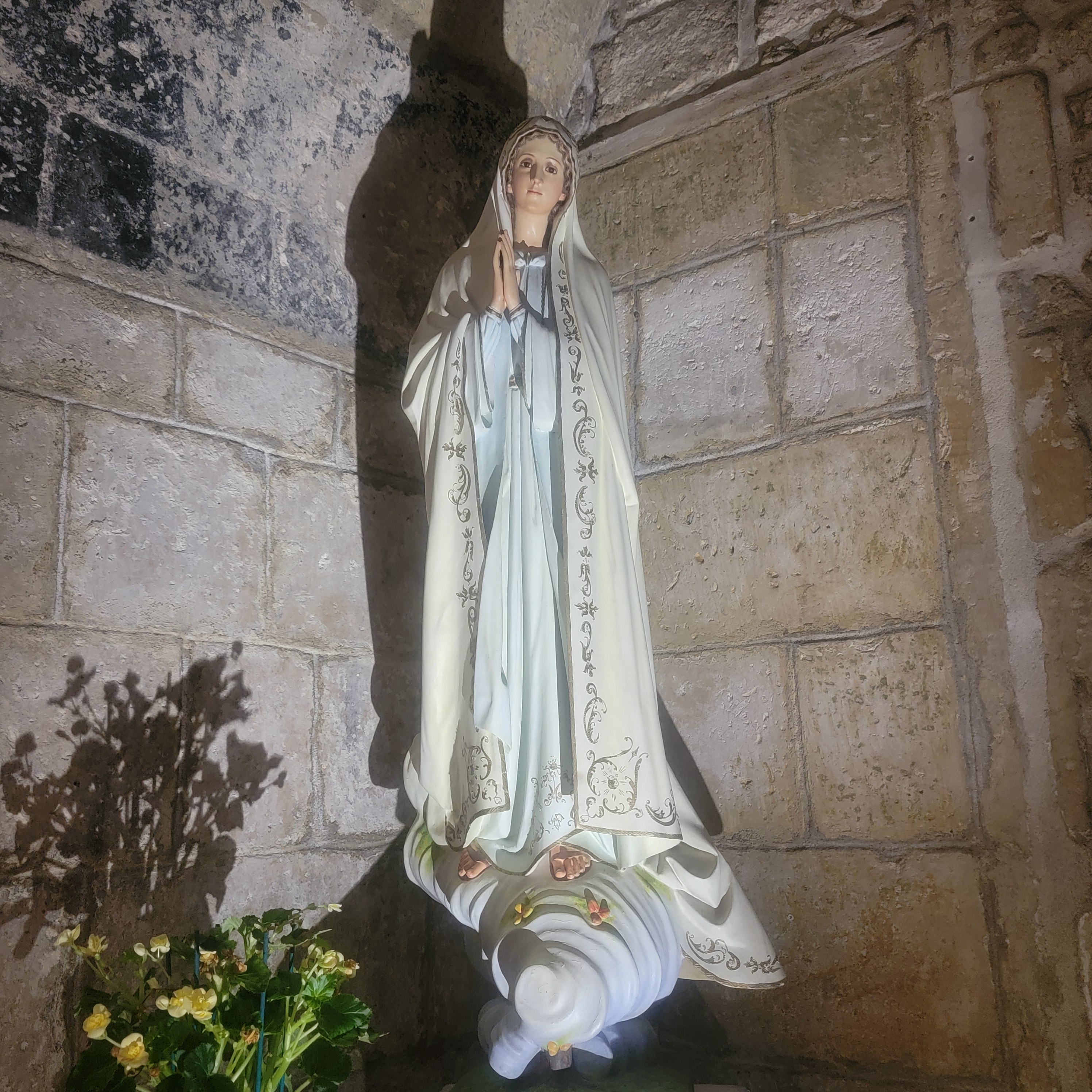
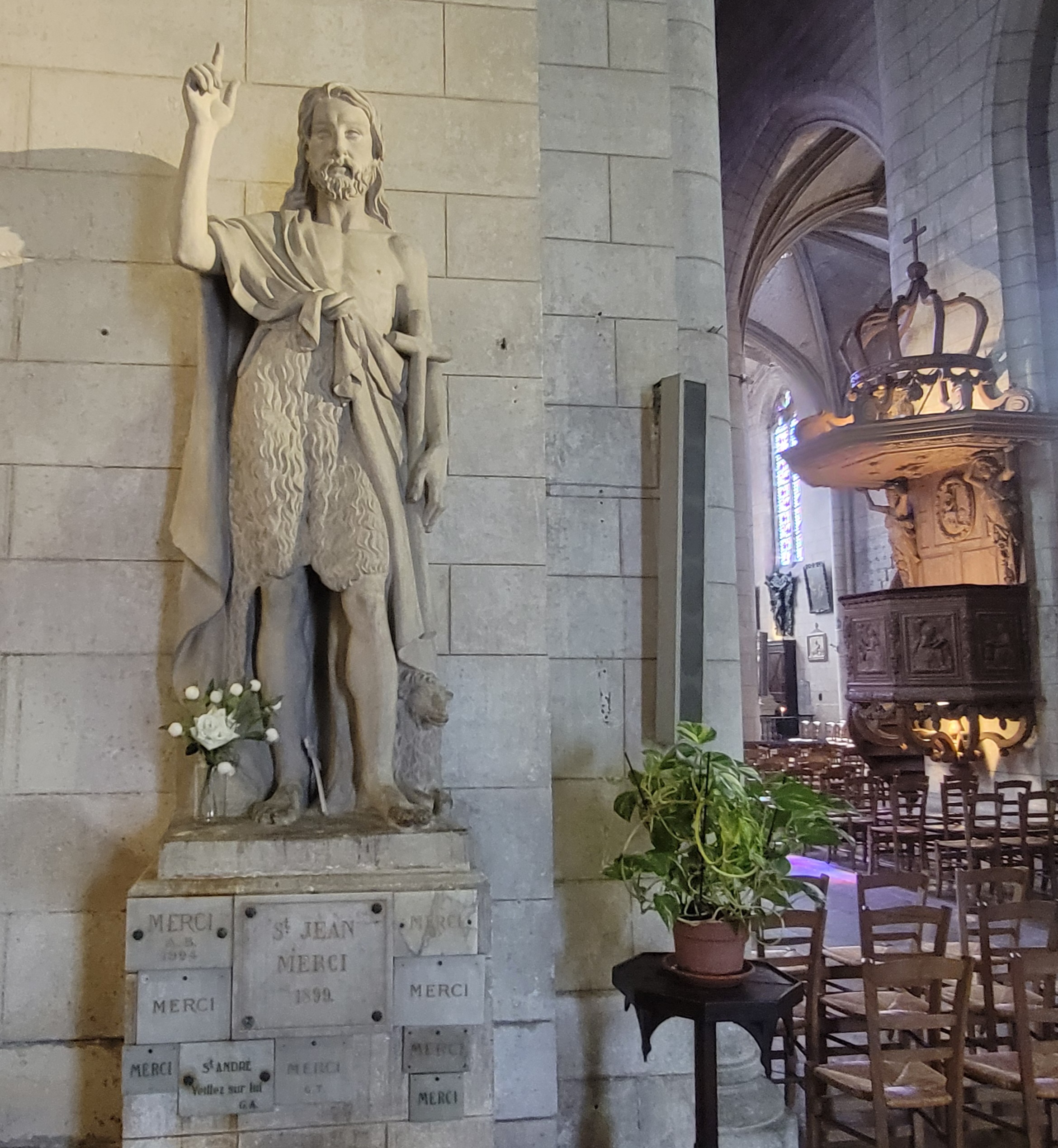
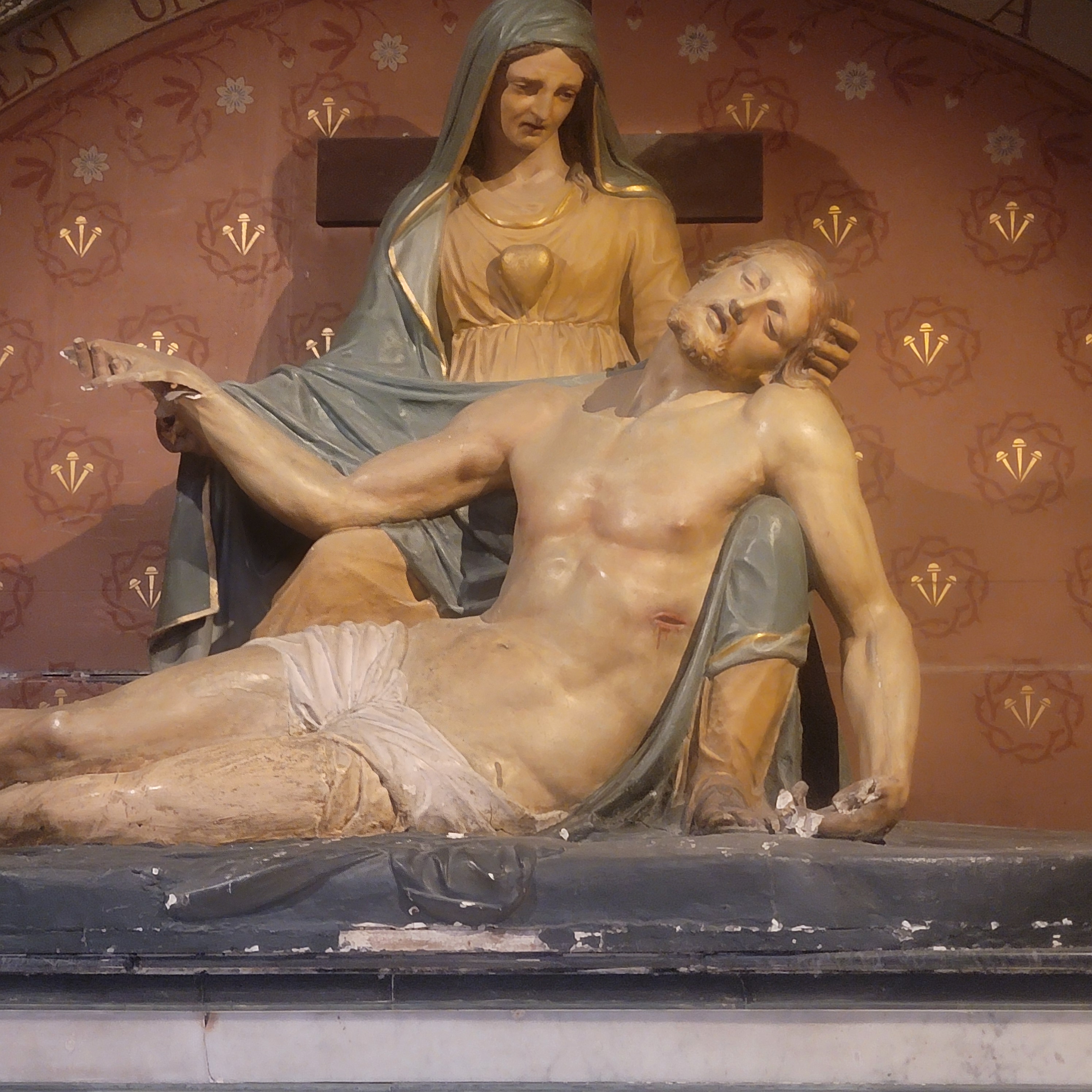
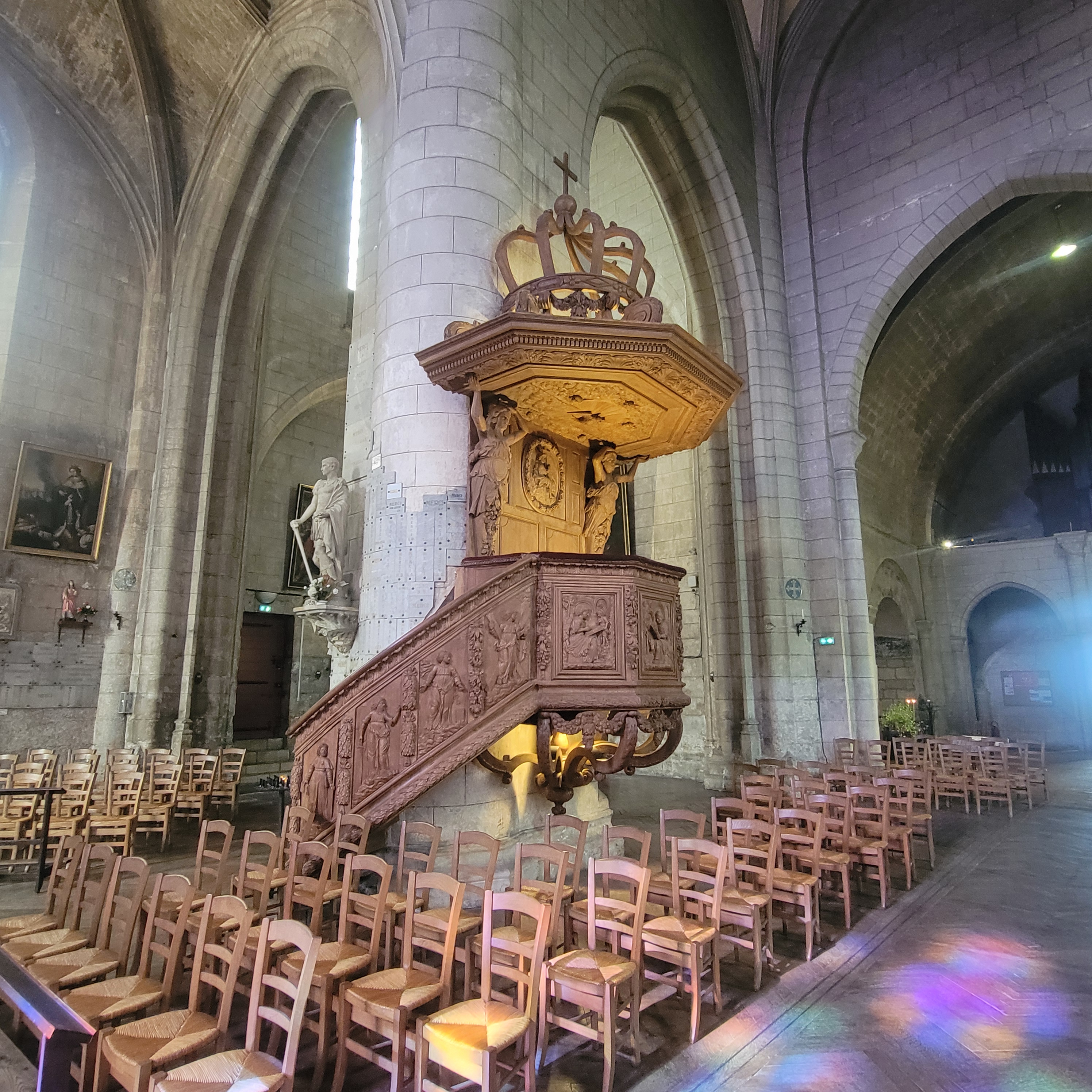
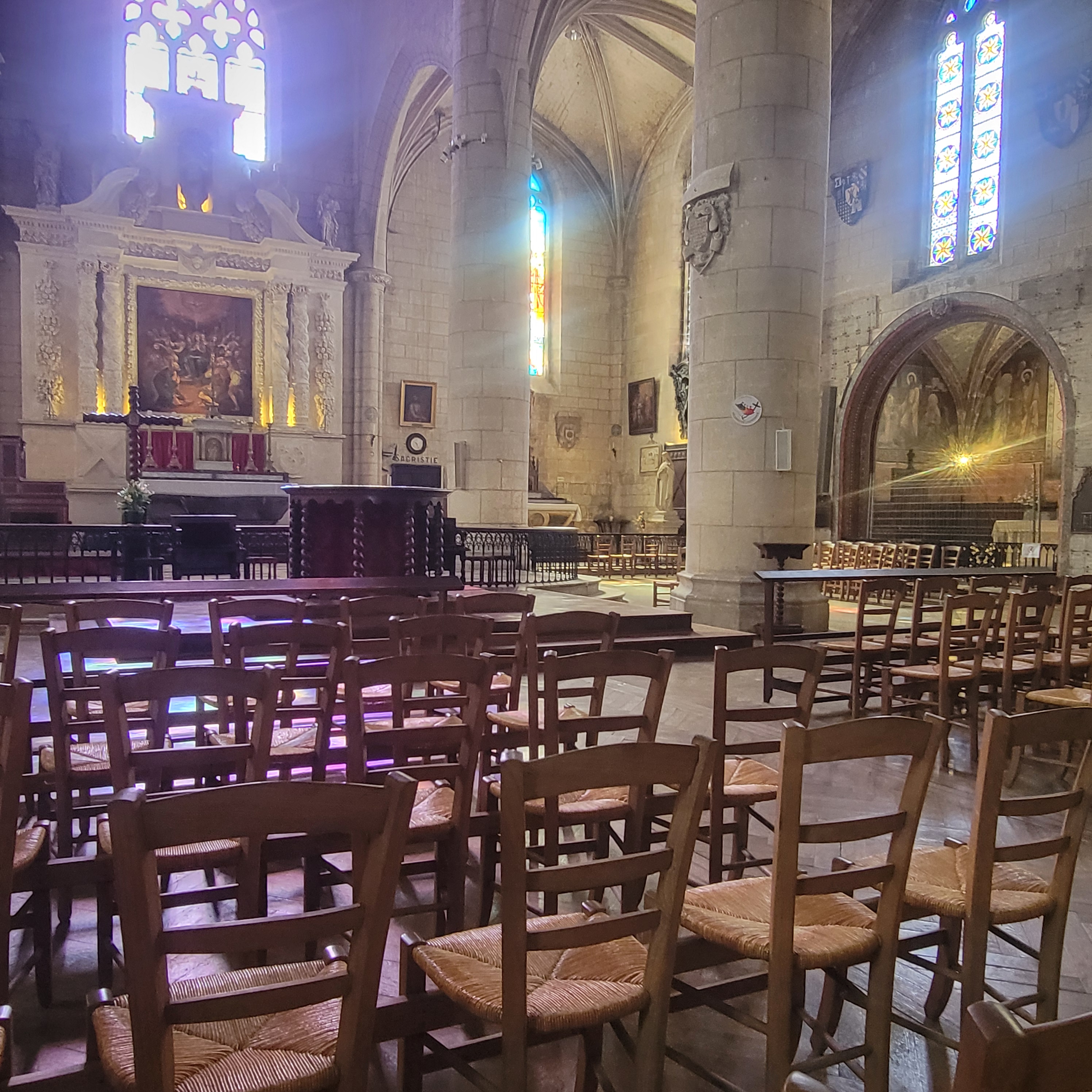
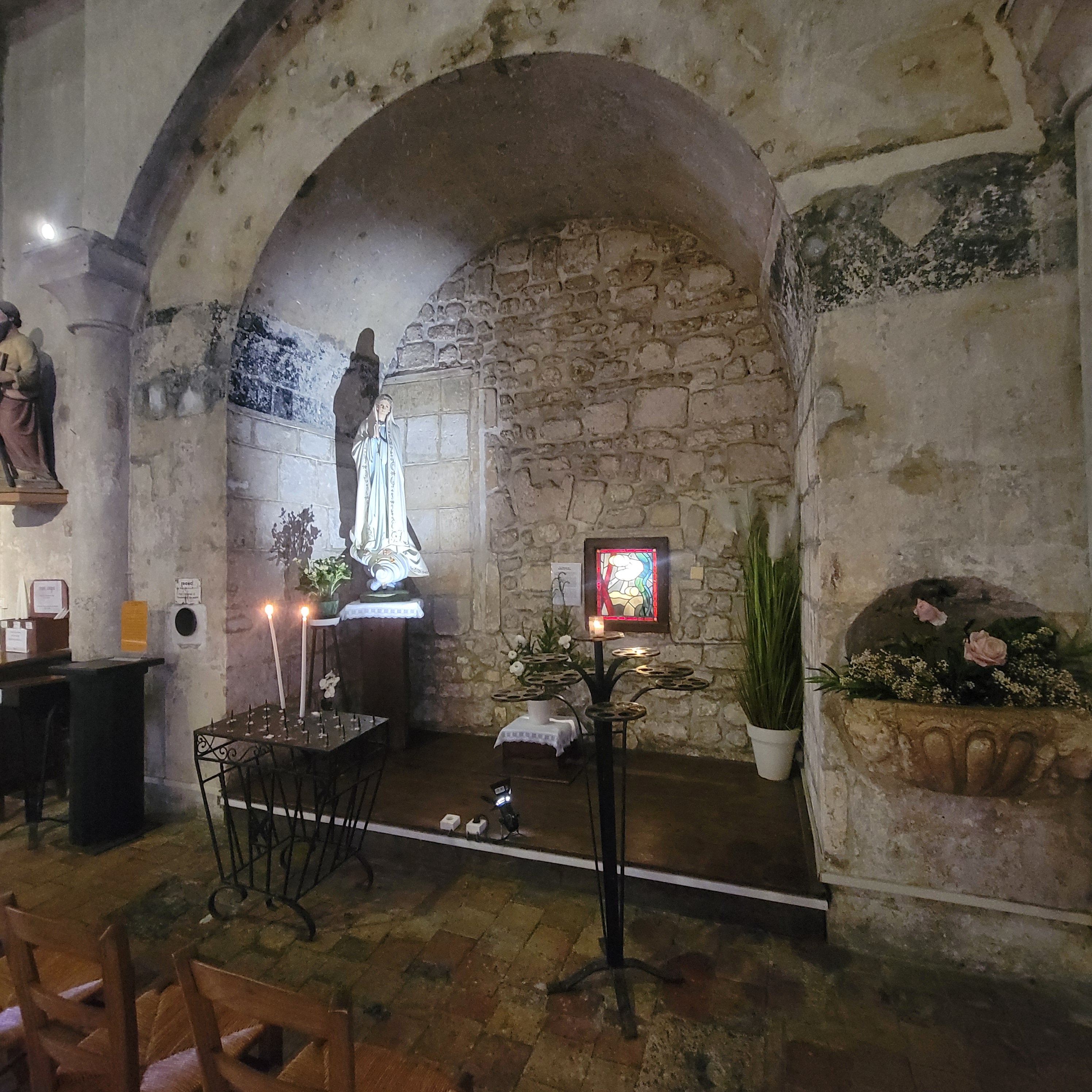
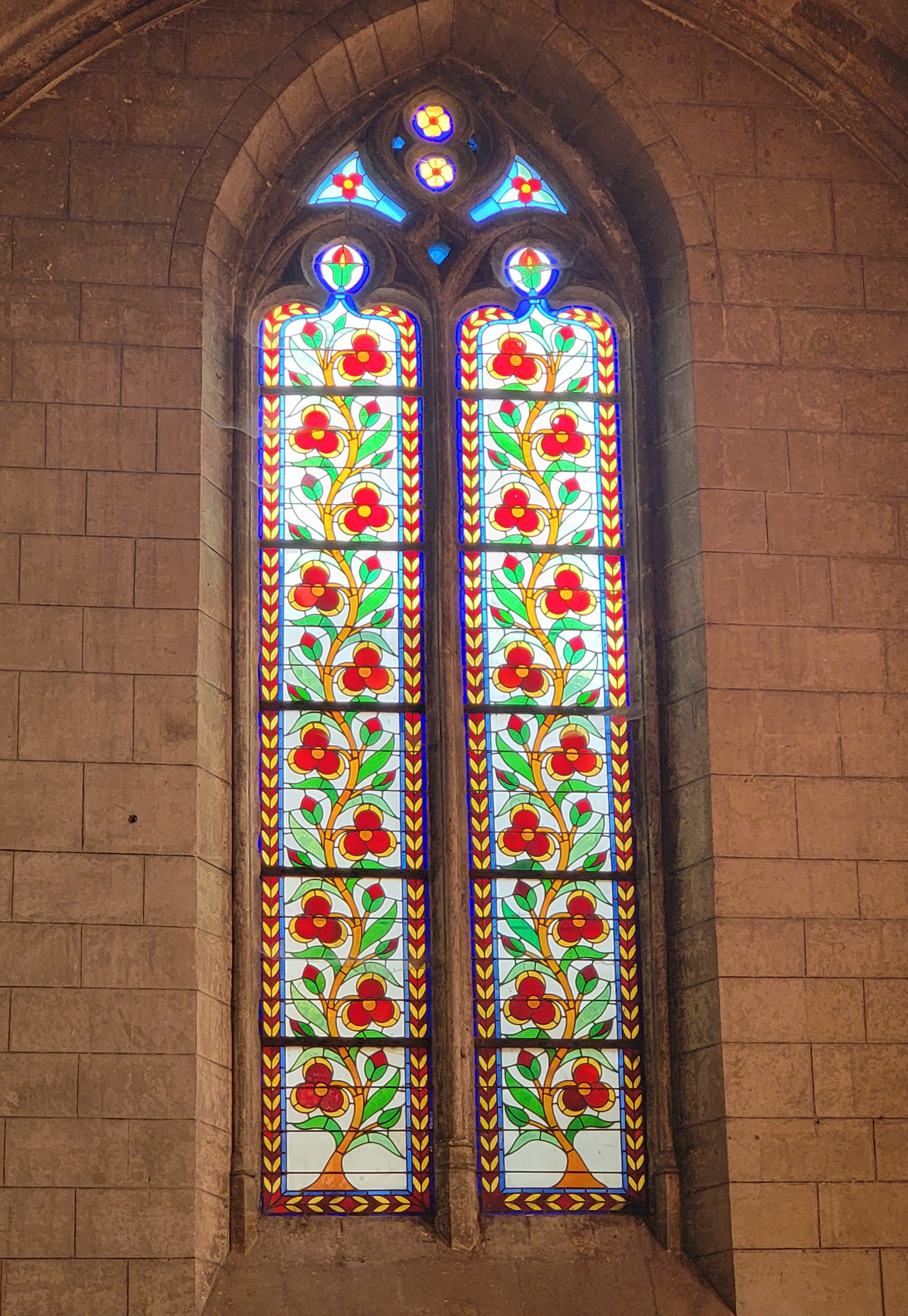
I spent quite a bit of time sitting in this peaceful church. There was some beautiful music playing quietly and I had taken along some contemplative readings given to me by a close friend. It was really special.
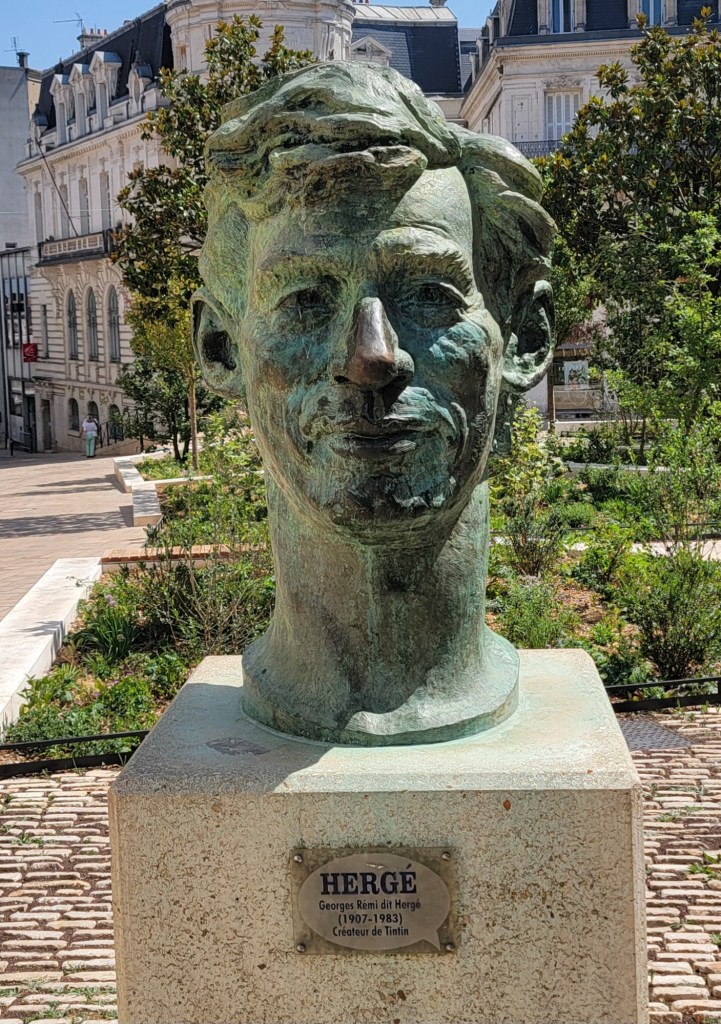
Before coming to Angoulême I had never heard of the term “the 9th Art”. But I now know that there’s a classification system, begun by a Mr Georg Hegel in the 19th century, that categorises different forms of art. Architecture was the first on his list, followed by sculpture, painting, music and poetry. Other categories have since been added and ninth on the list is the comic strip! Yep, I kid you not. Now up until now, if you’d mentioned a comic strip to me, I would have immediately envisioned a kid’s magazine, perhaps a small coffee table book of humorous Footrot Flats cartoons (me being a Kiwi girl ‘n all) and of course the odd clever political cartoon in a newspaper. Little did I know that the world of the comic strip is HUGE and its history stretches back centuries. In fact, there’s another whole categorisation thing within the comic strip scene itself and now I understand that, while still a very popular medium for light entertainment, it has also long been and continues to be a very powerful tool for tackling serious issues within society. France is a country that loves this 9th art, and now one in four books sold in France is a comic book of some form. That’s quite something!
In 1974, three French guys came up with the idea of holding a comics festival and this became the launching pad for the Angoulême International Comics Festival which is held every year in January and welcomes more than 200,000 visitors.
Ten years later the Comic Street Museum was founded. This amazing place, which was formerly an old wine cellar, is also located on the Charente riverbank, but on the opposite side to its paperly sister and displays an enormous amount of material that traces the history of comic art.
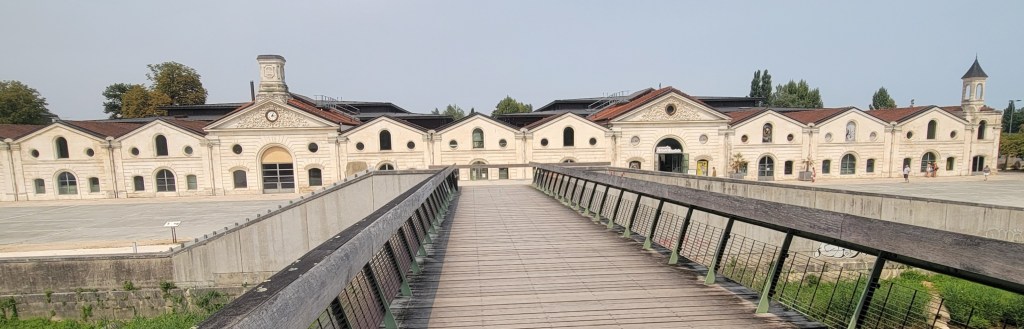
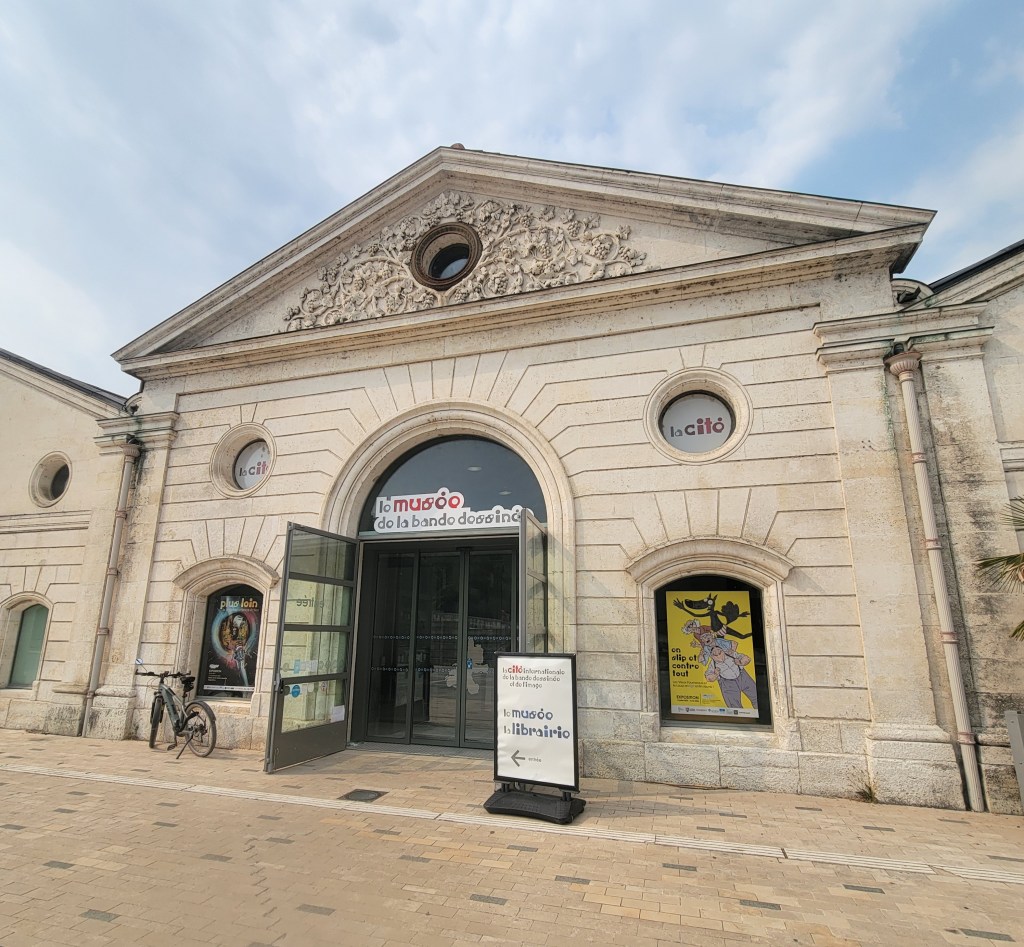
I felt it was all somewhat wasted on me, as firstly most of the material is in French and secondly, my Heir Number Two would be a far more worthy recipient as he is very involved in the graphic art world. But I was still amazed by the artwork and the history, and by the whole display. Matt, these are for you…
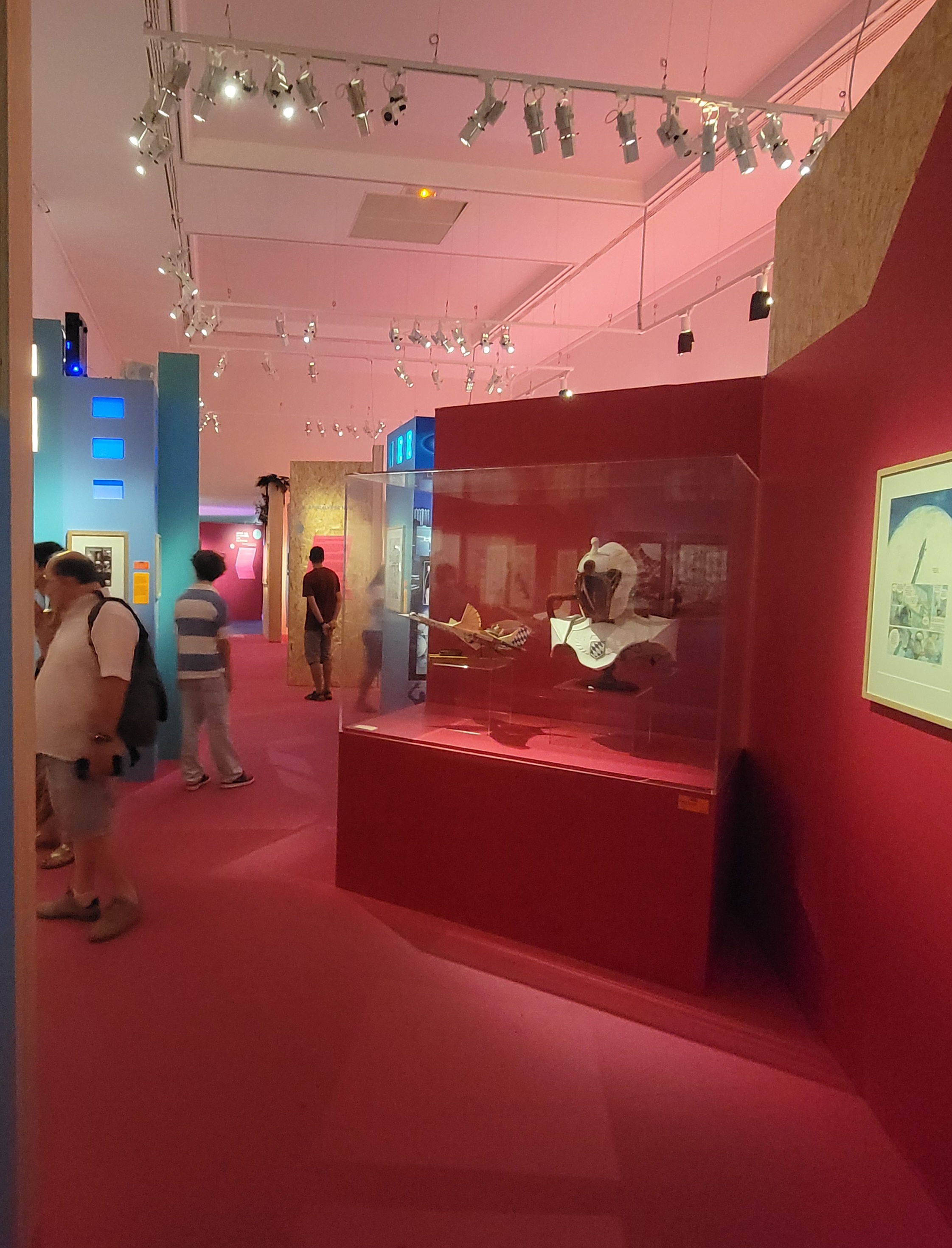
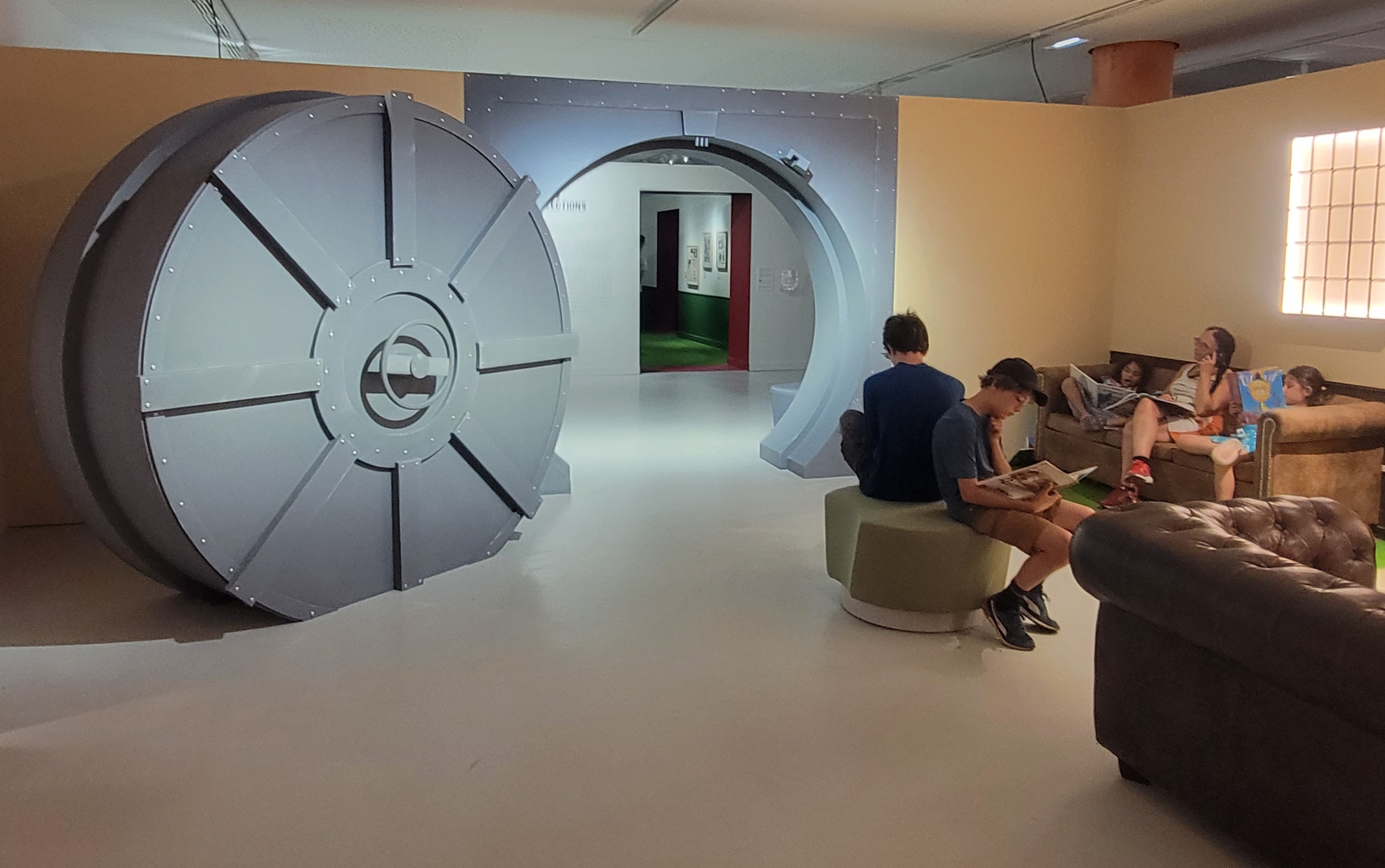
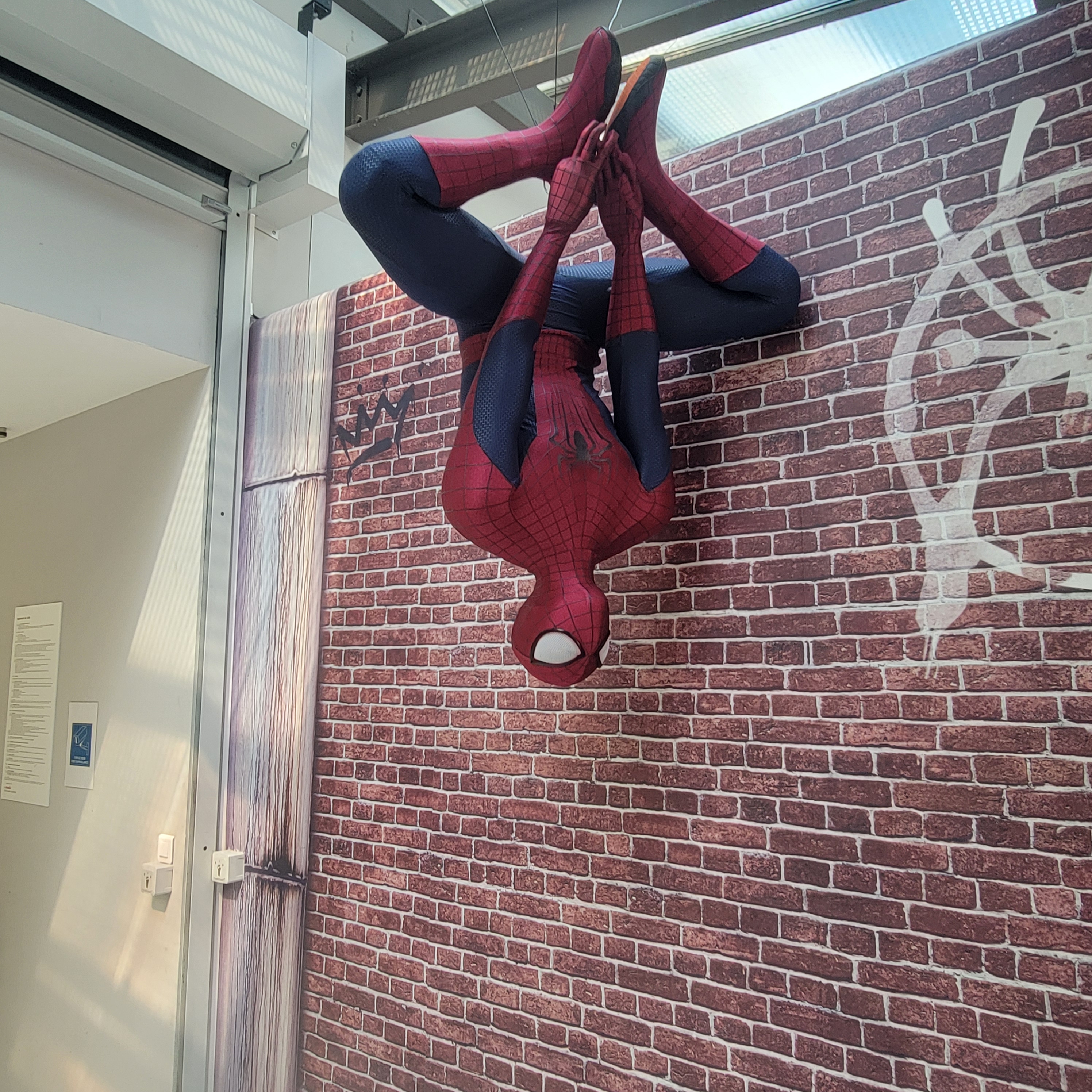
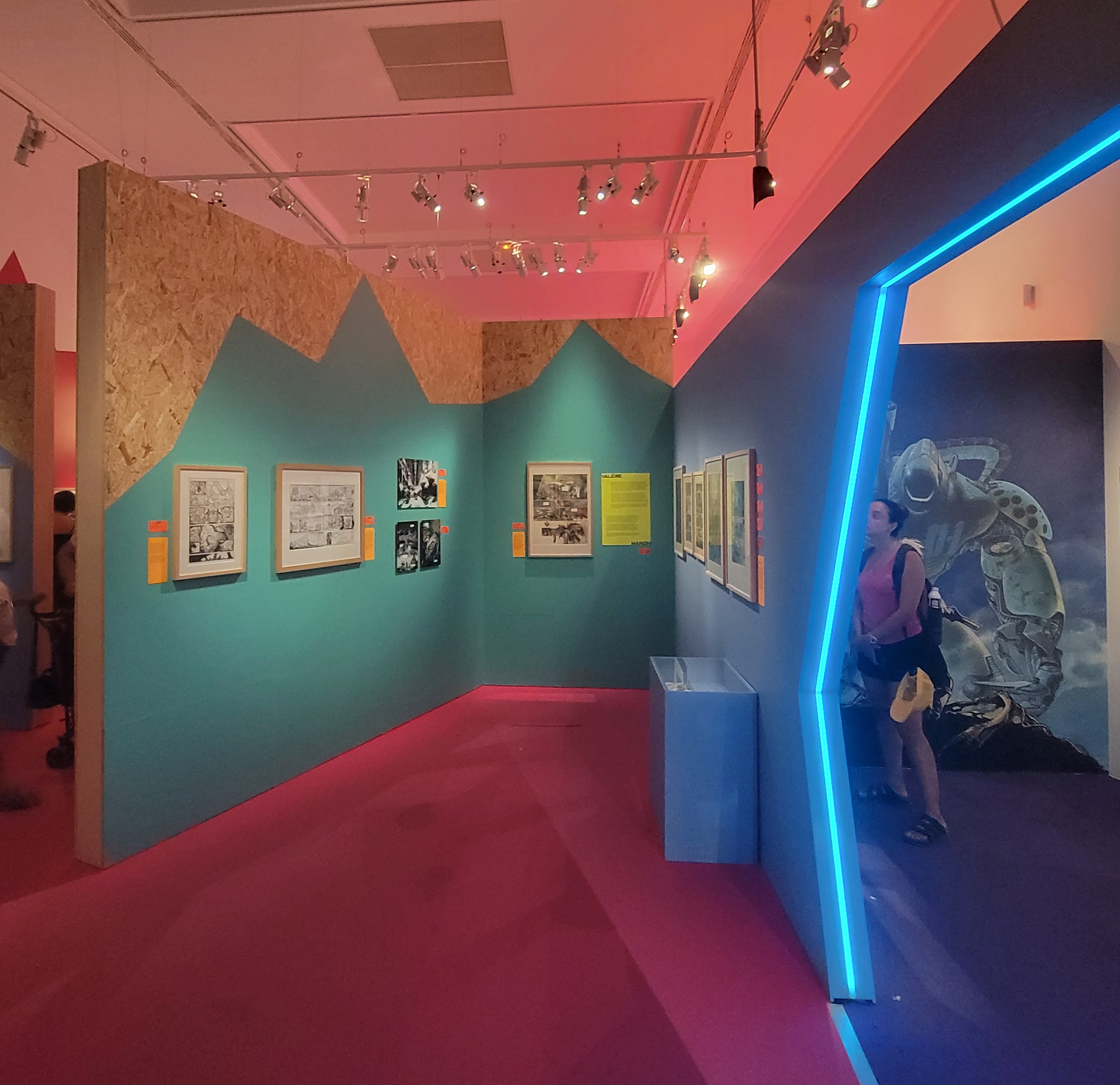
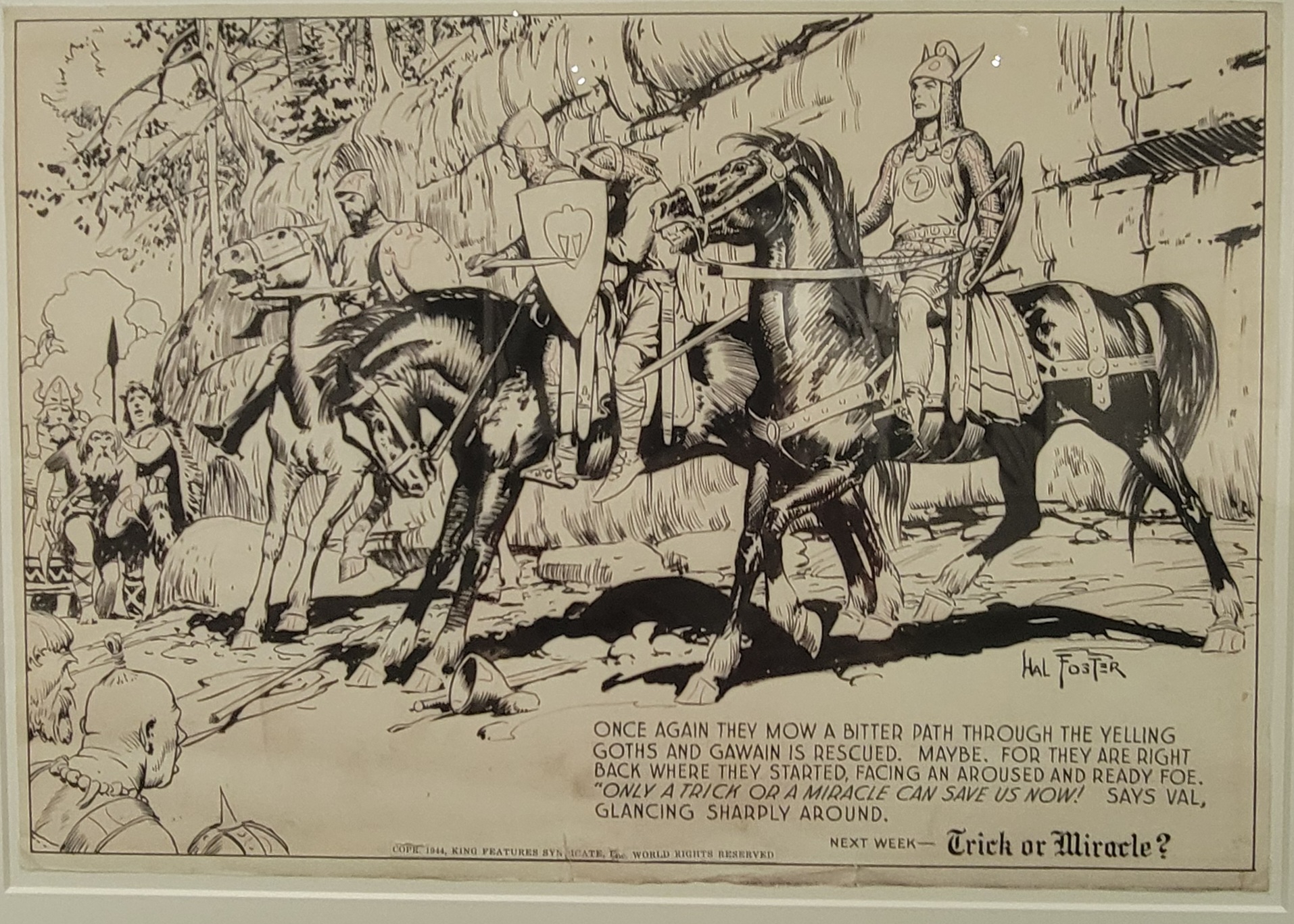
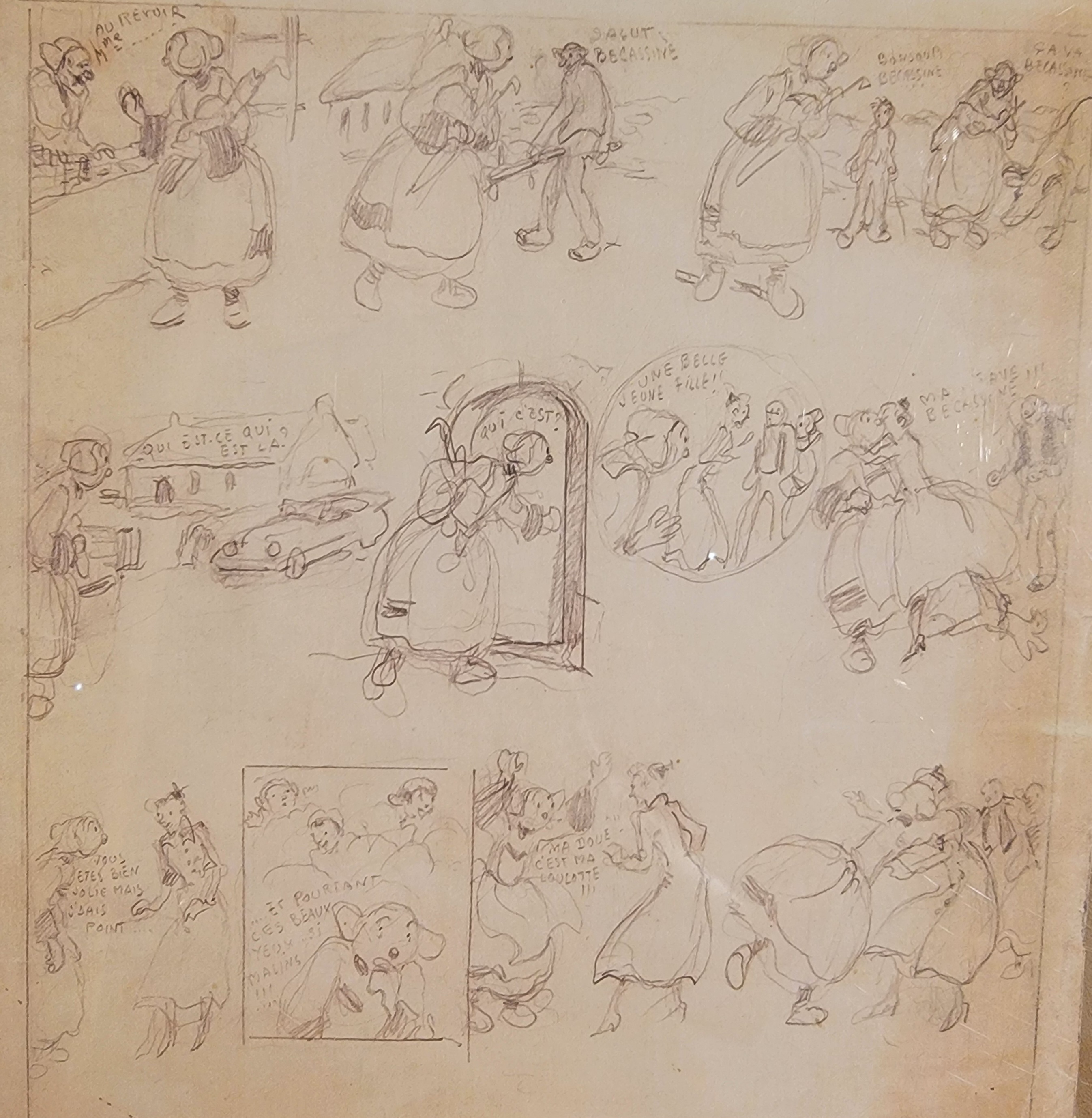
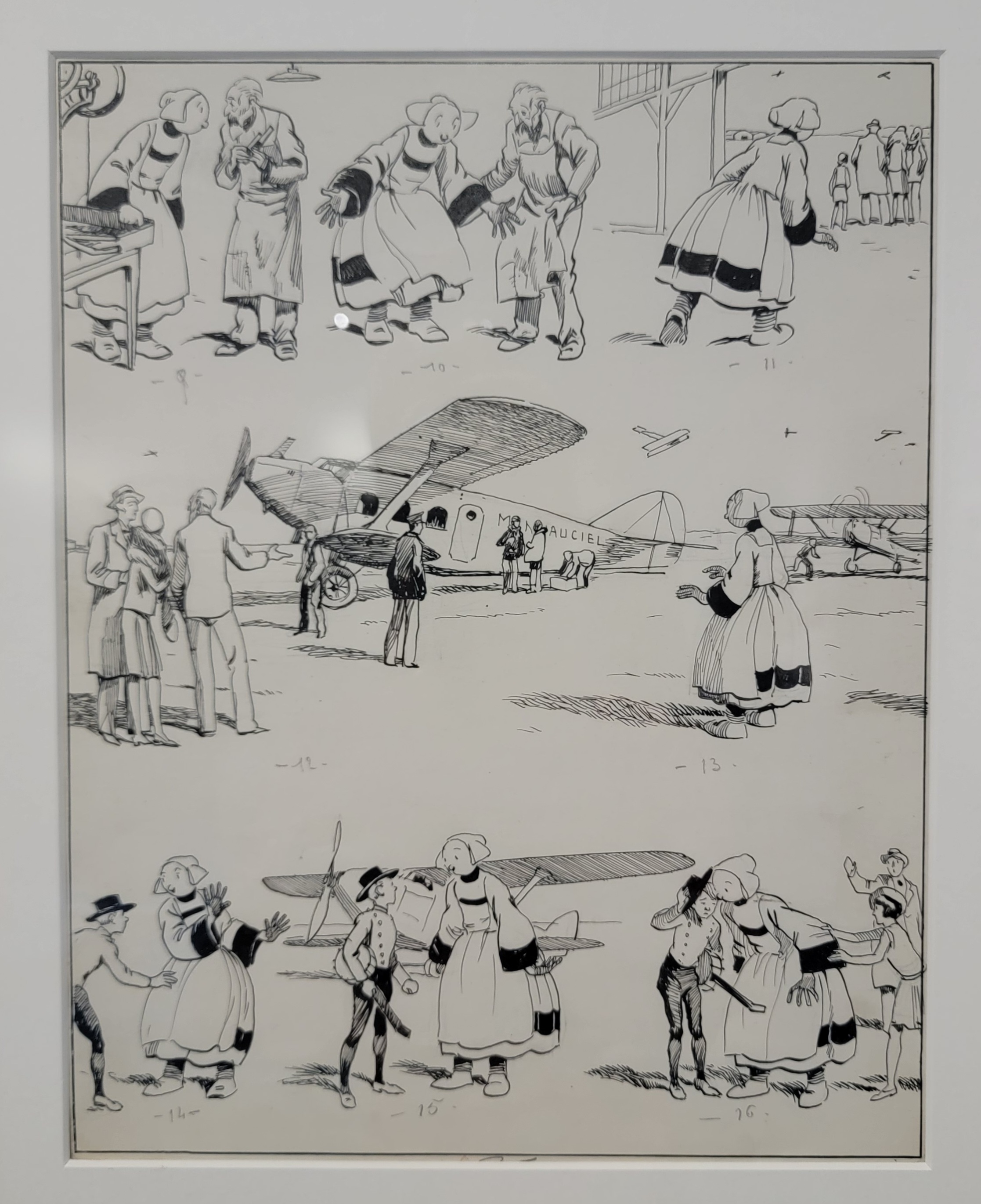
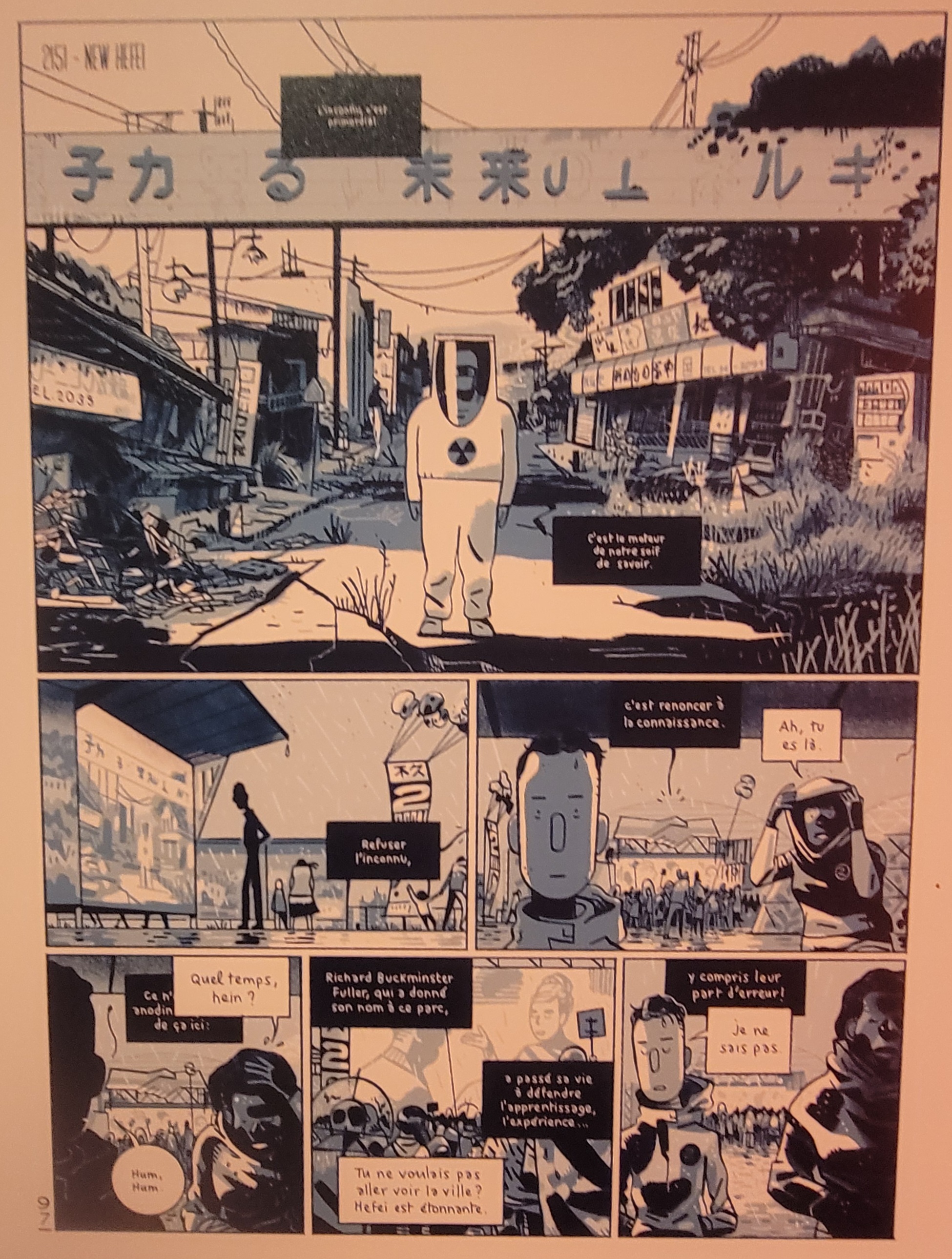

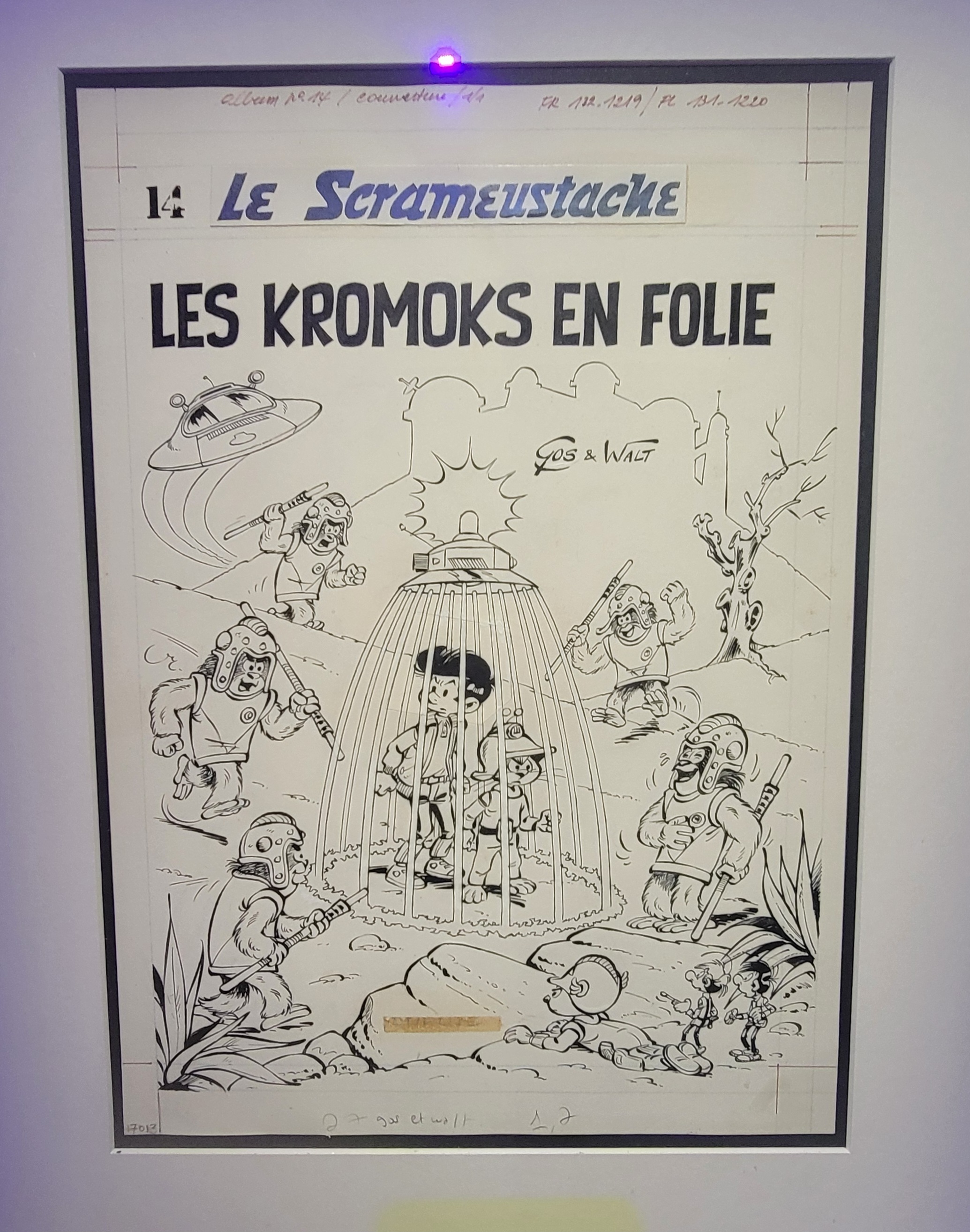
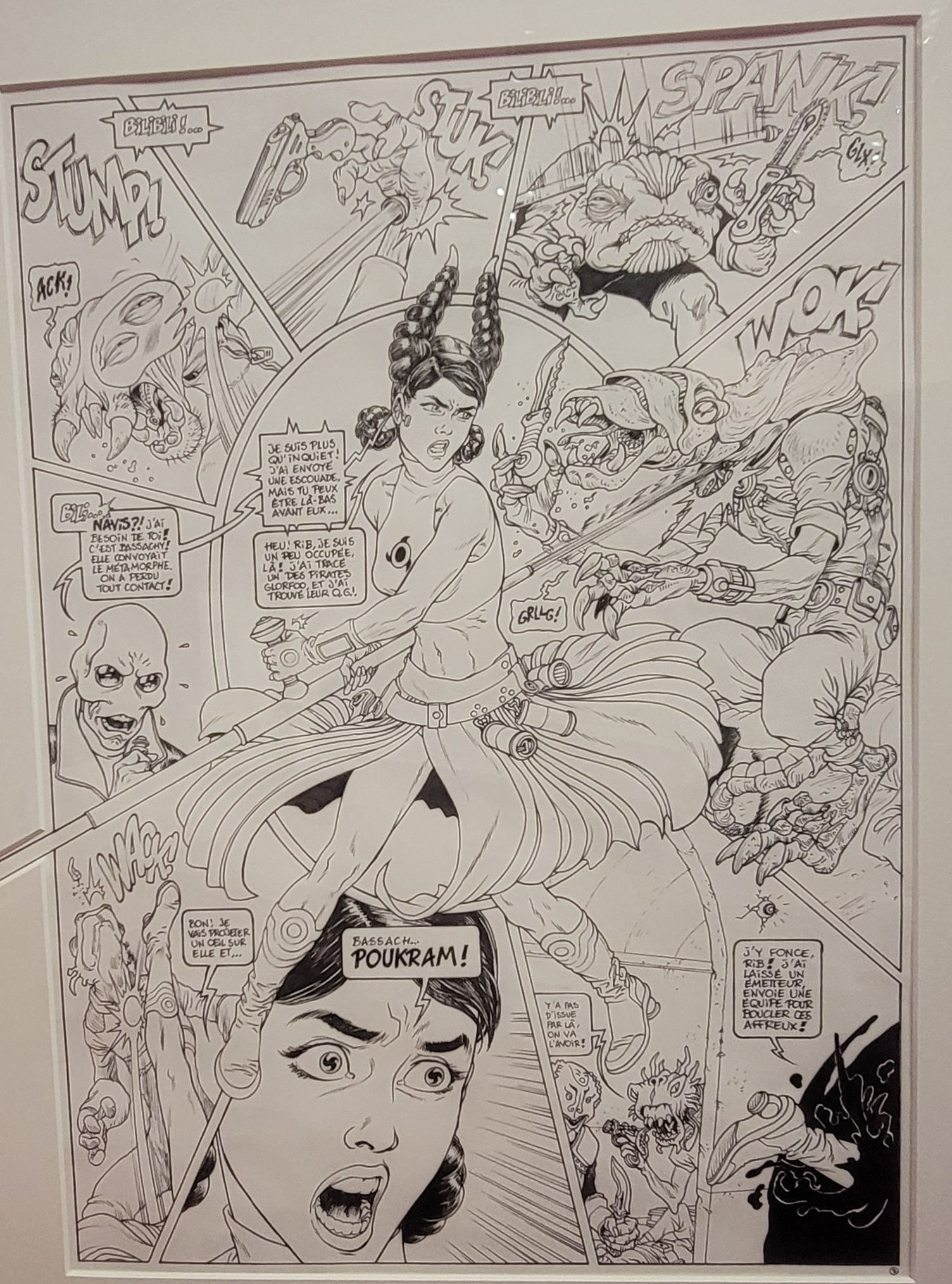
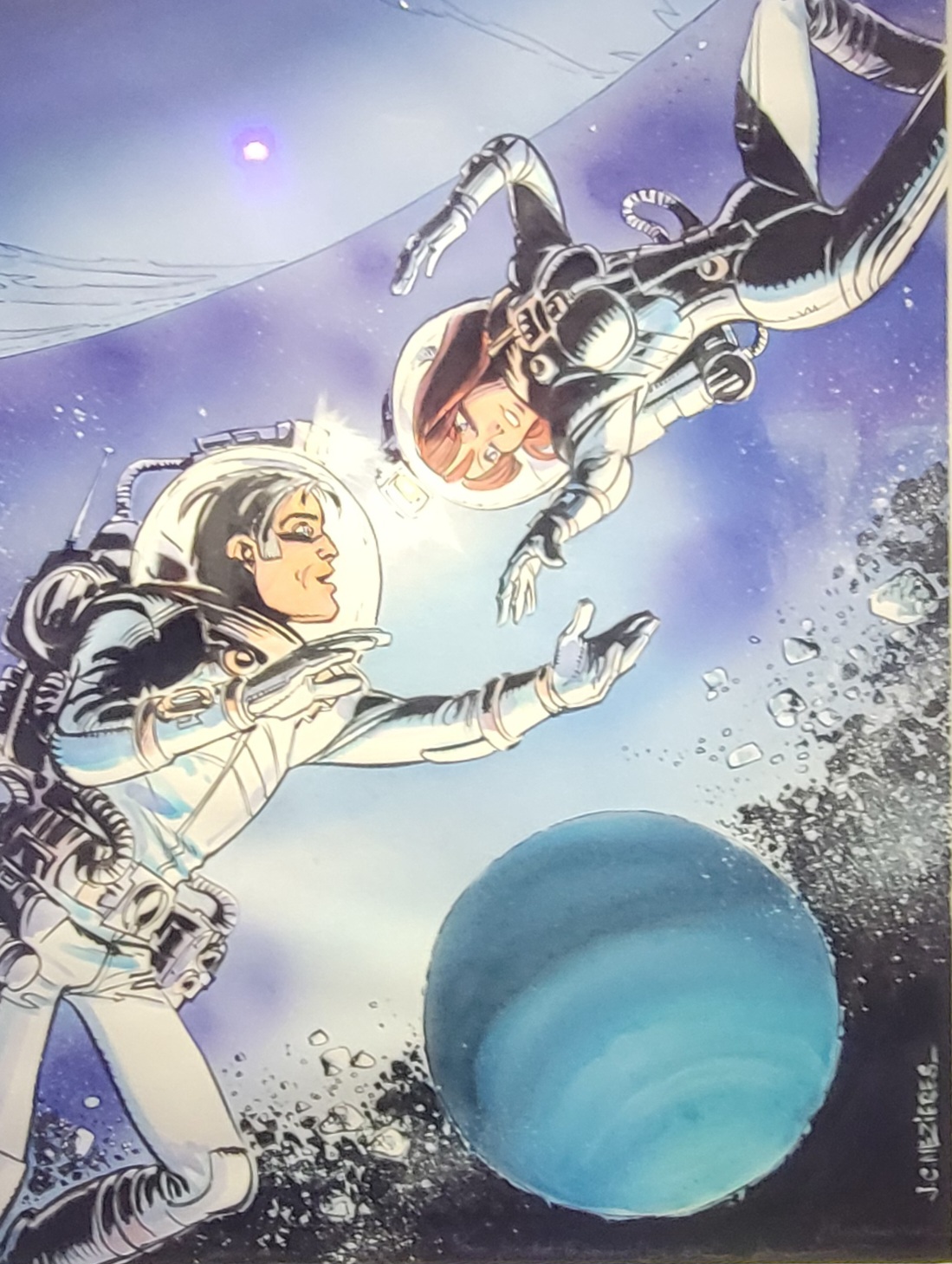
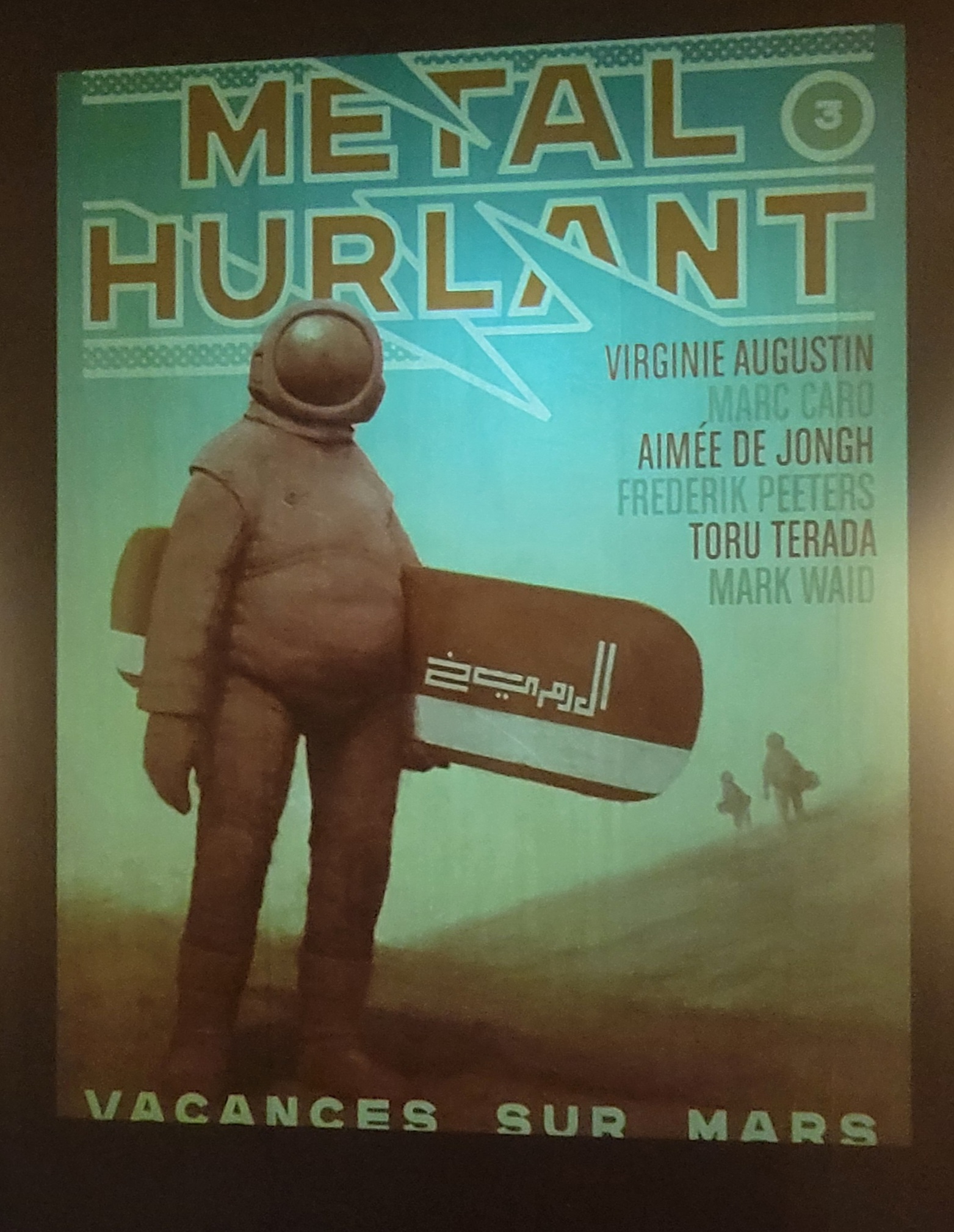
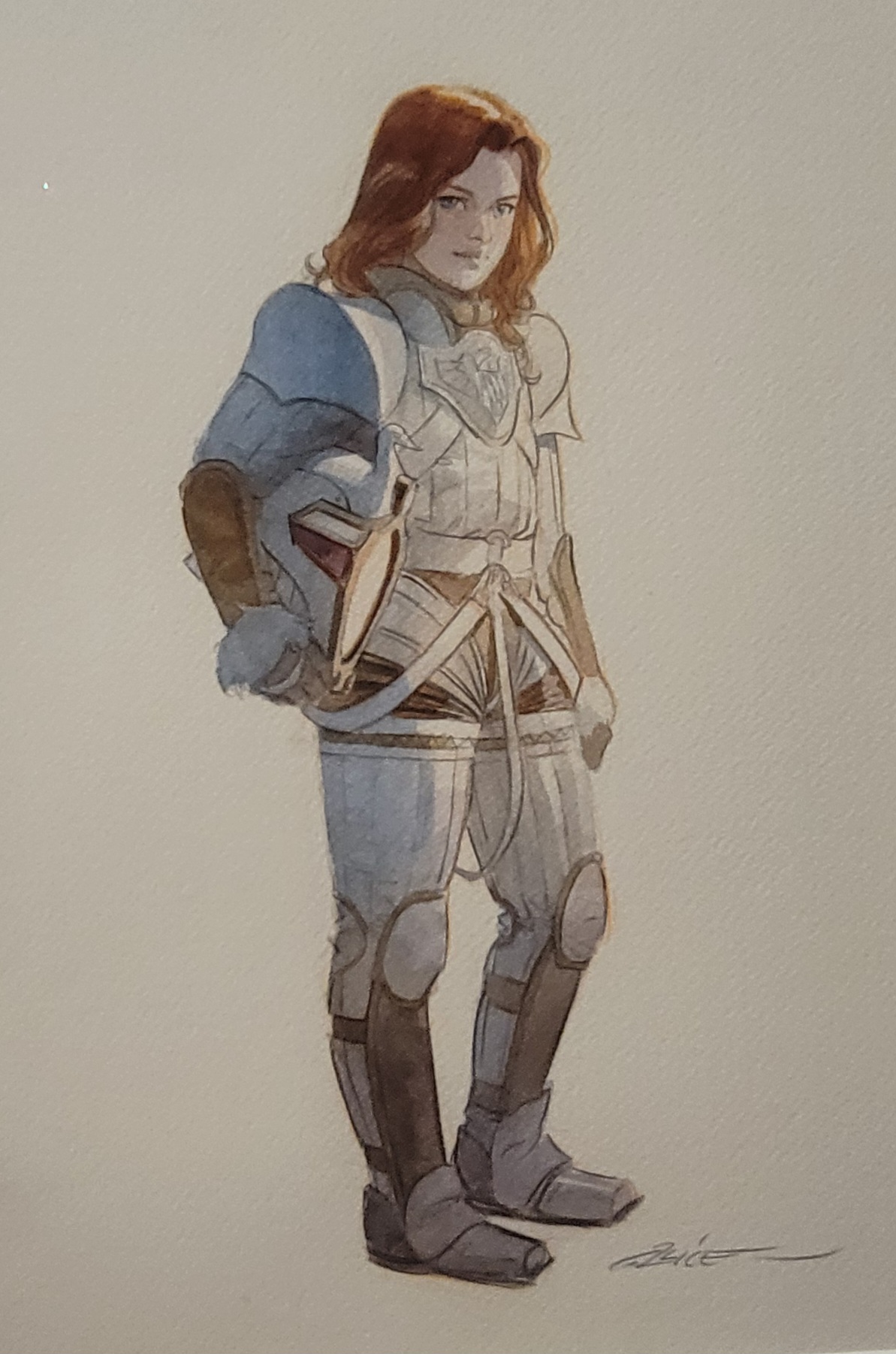
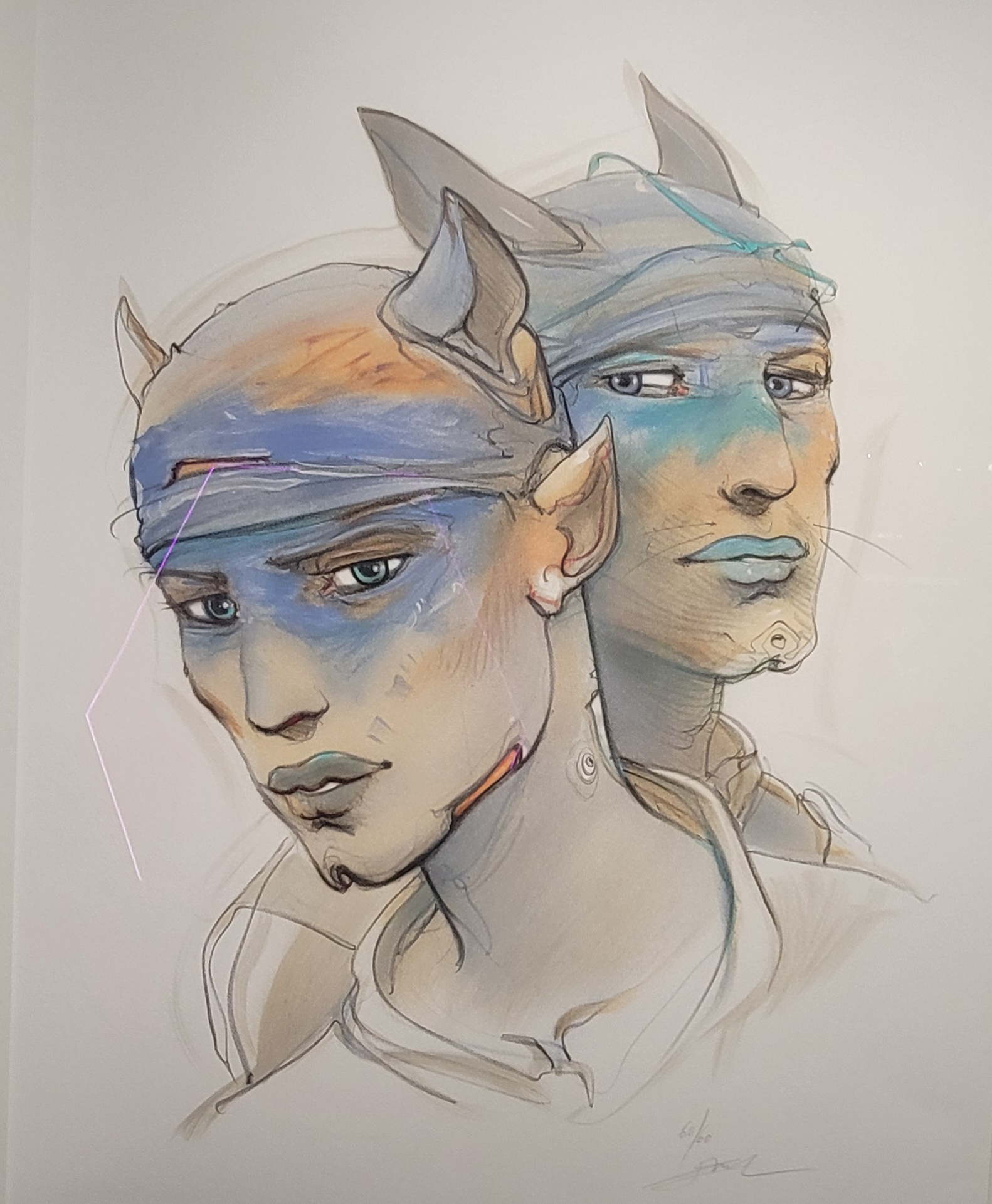
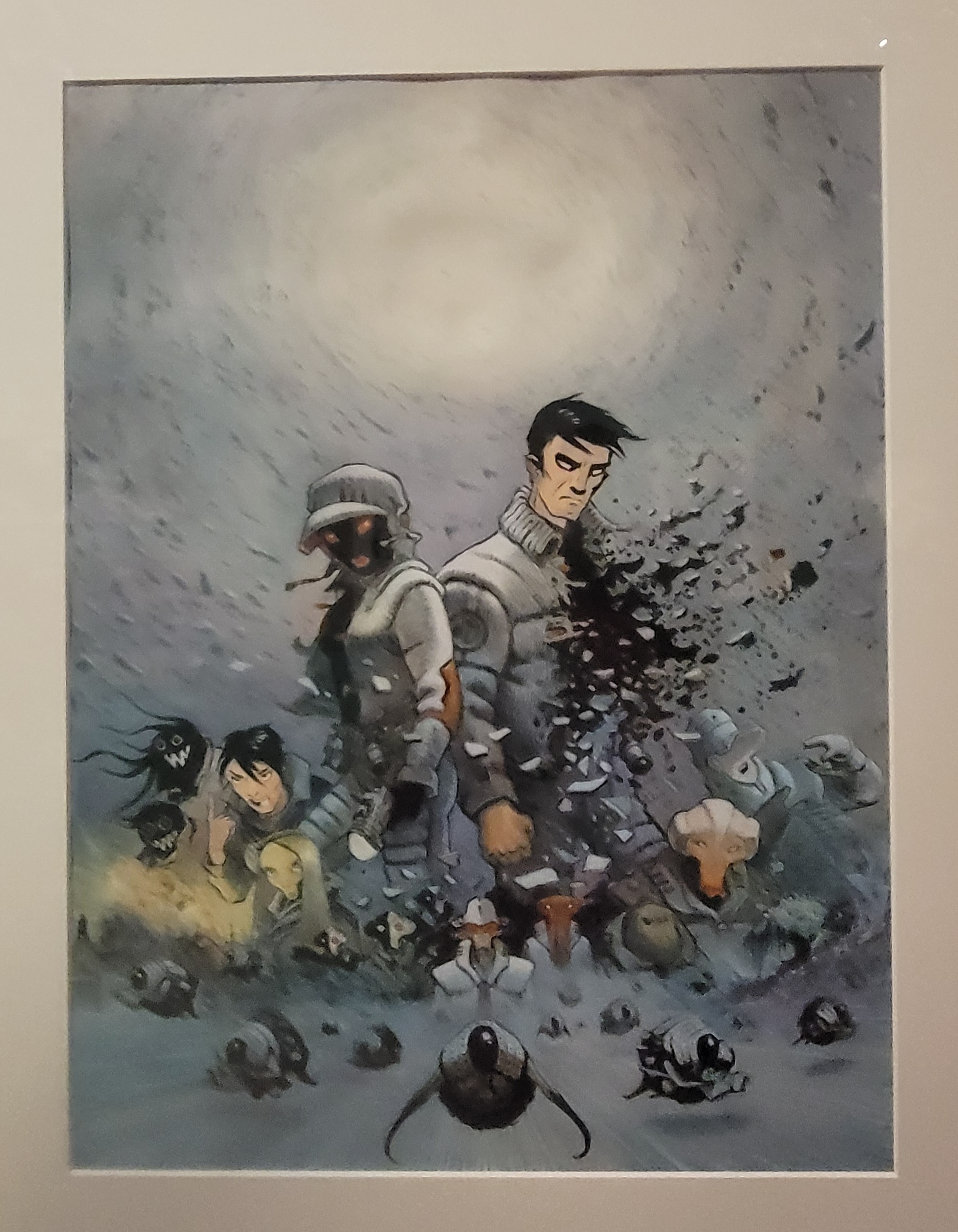
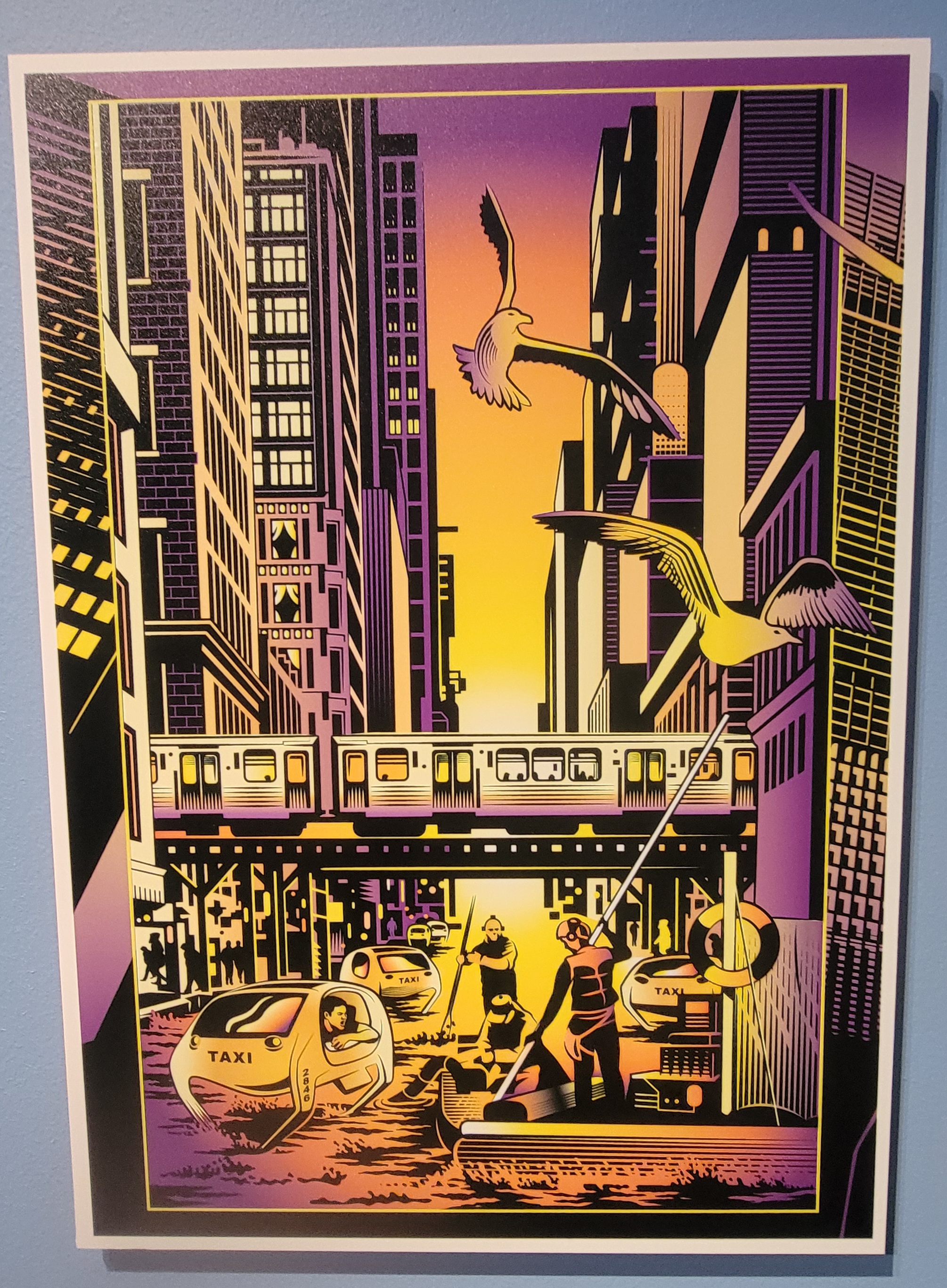
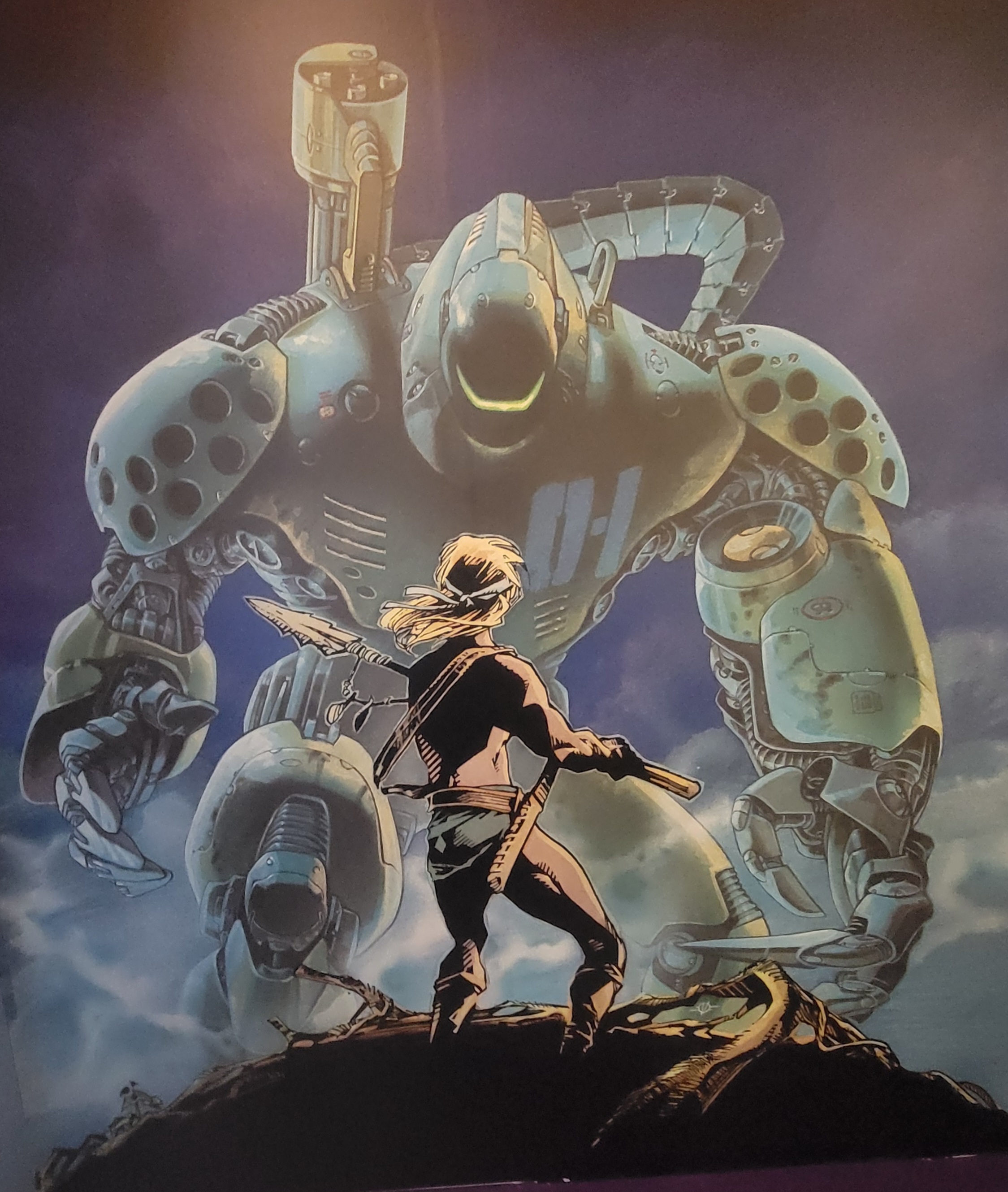
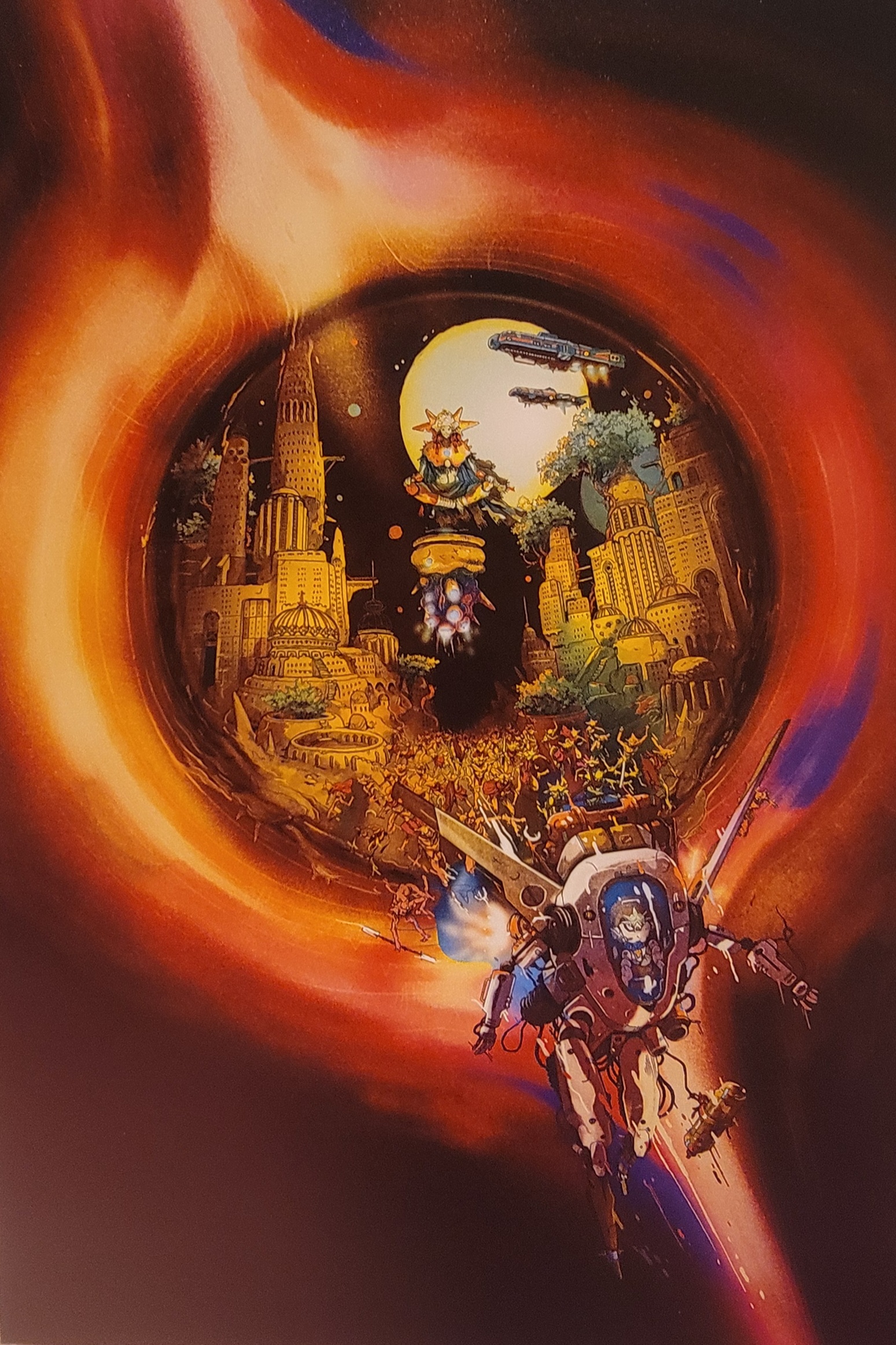
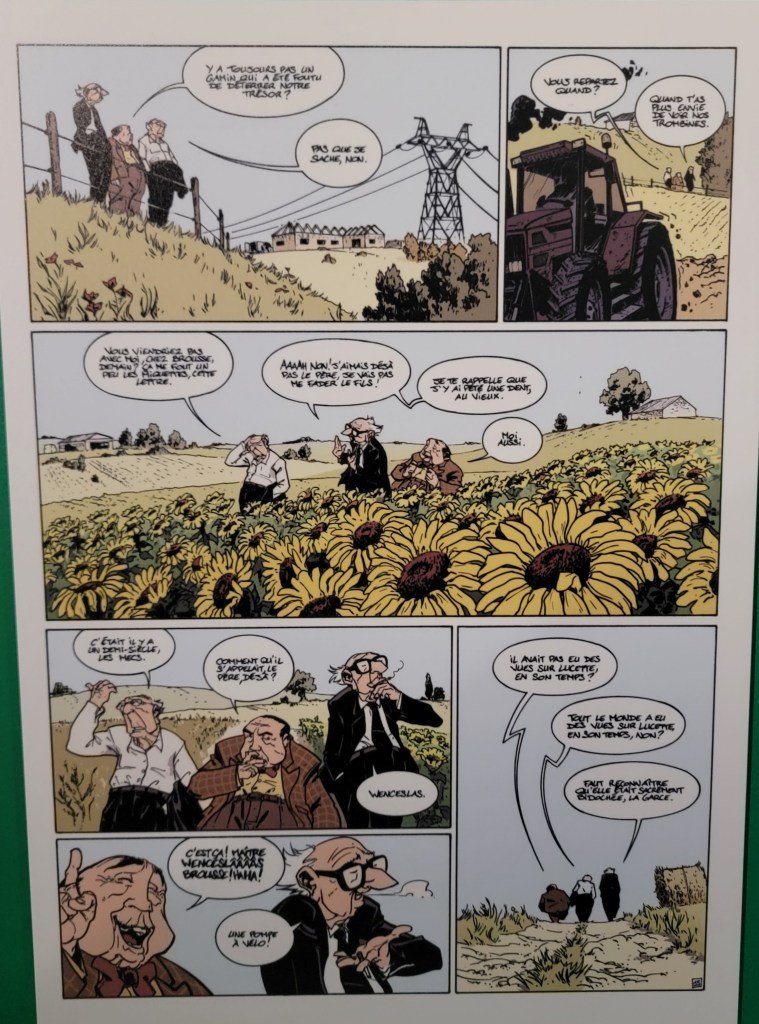
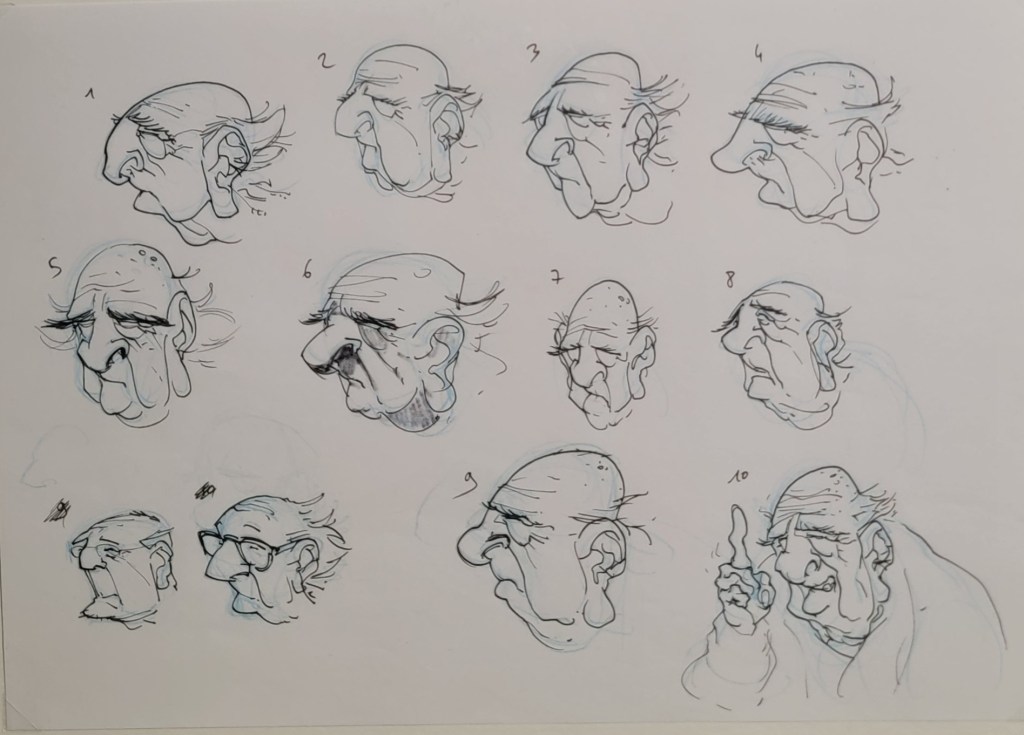
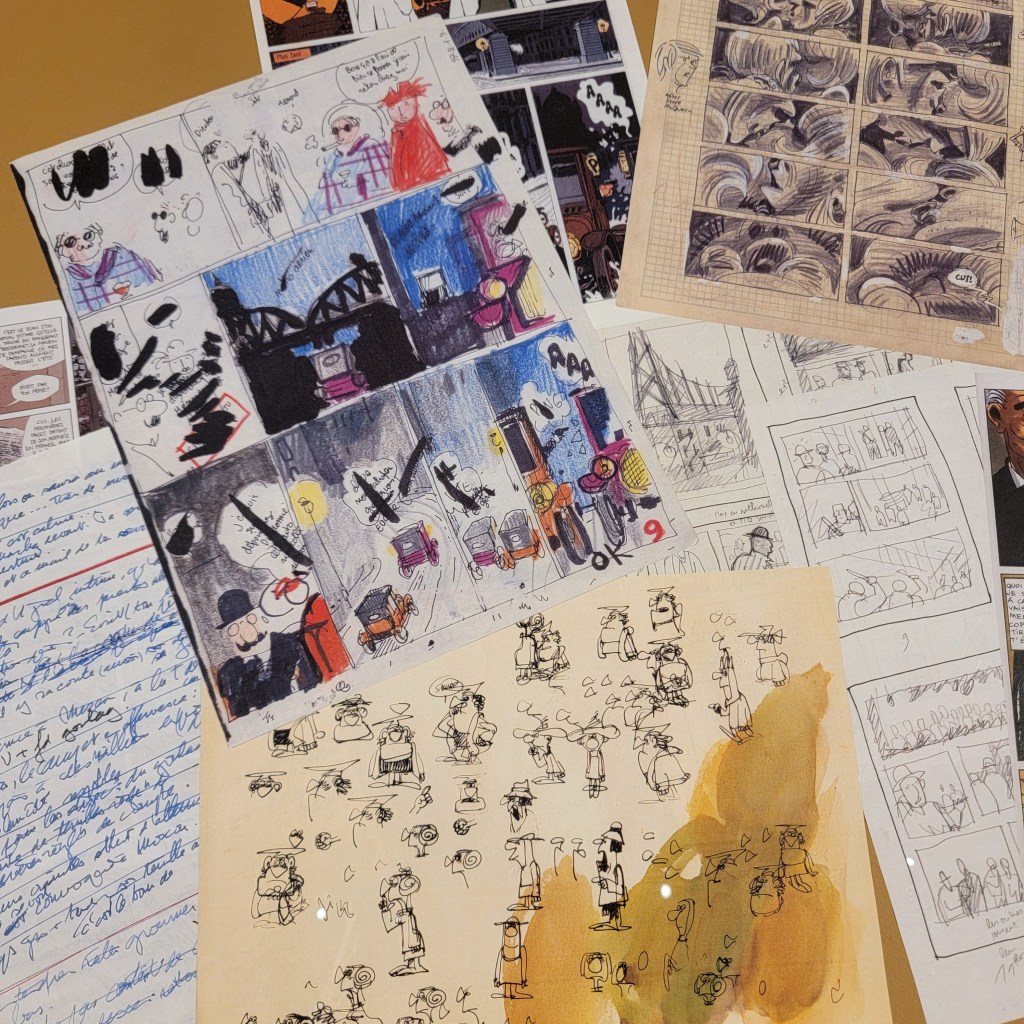
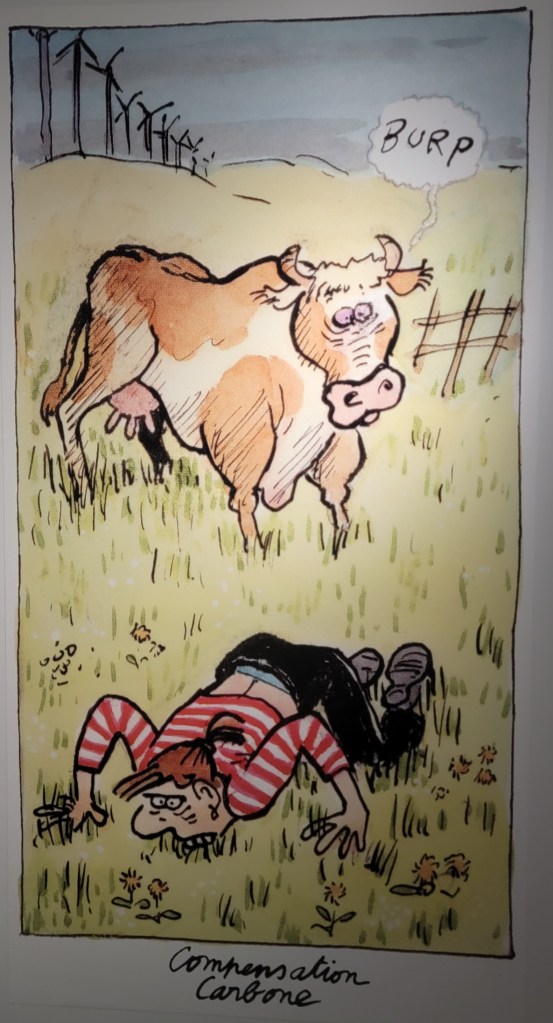
And the 10th Art? Video Games and Digital Art Forms. Mais bien sûr !
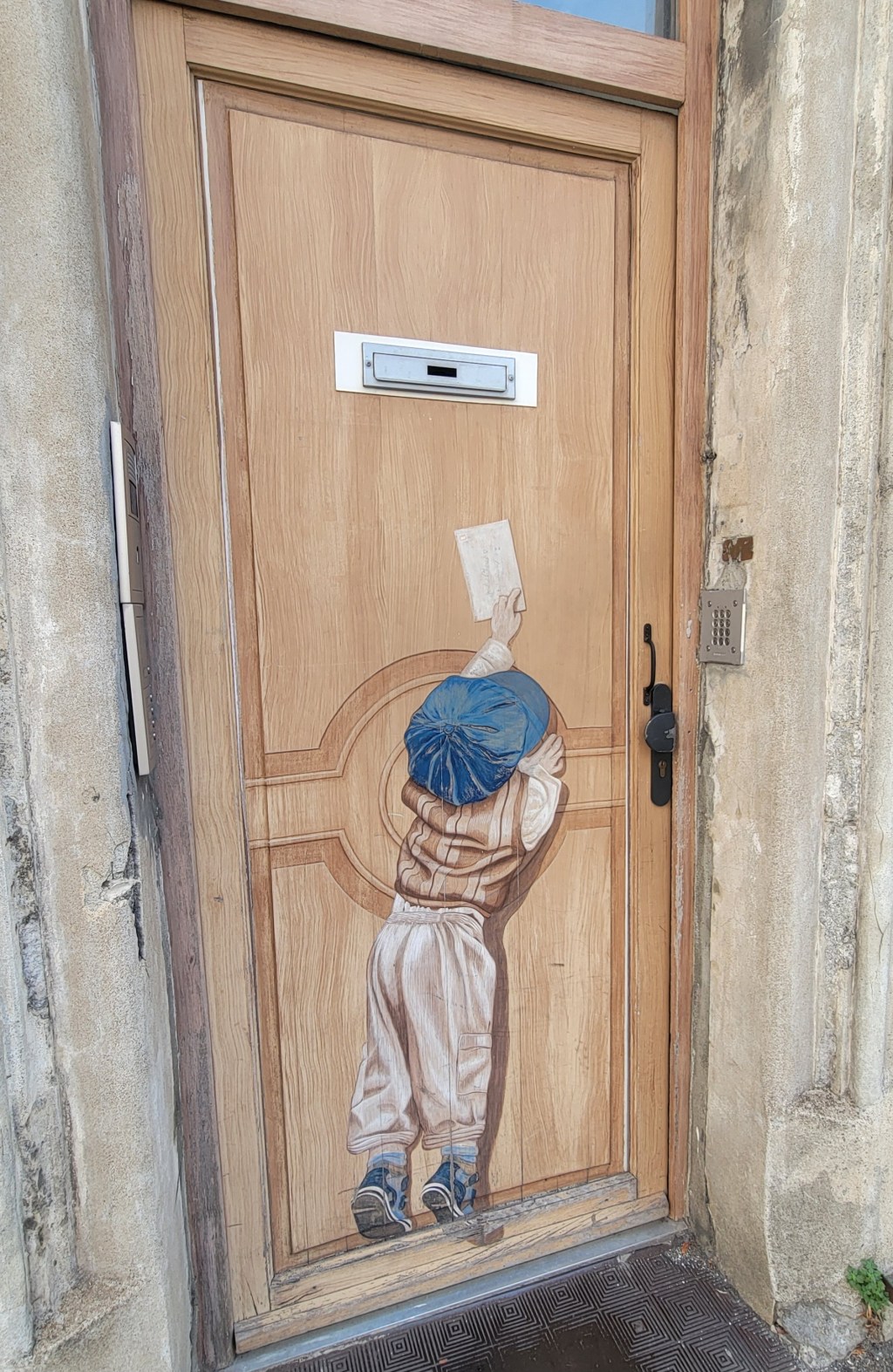
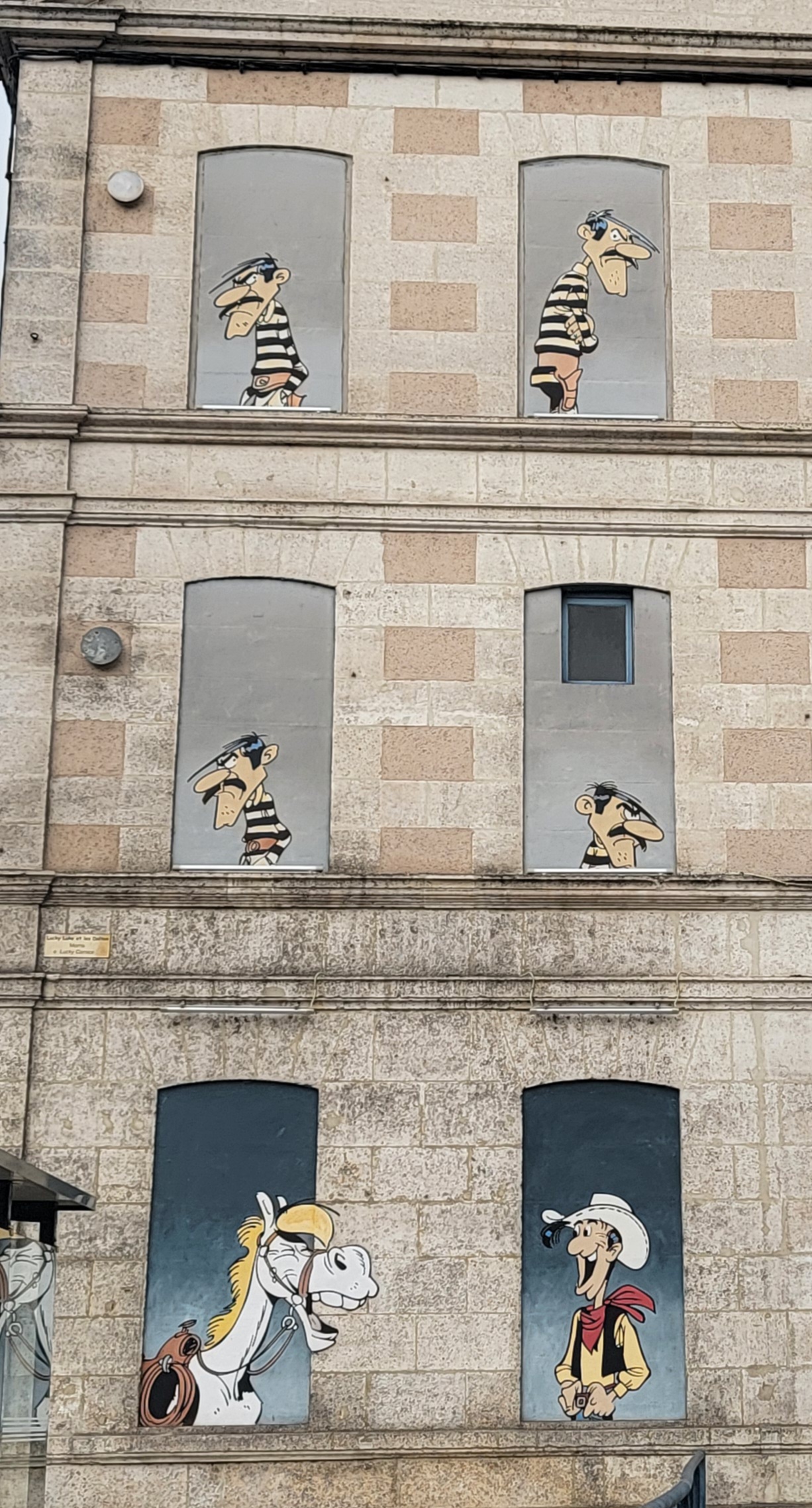
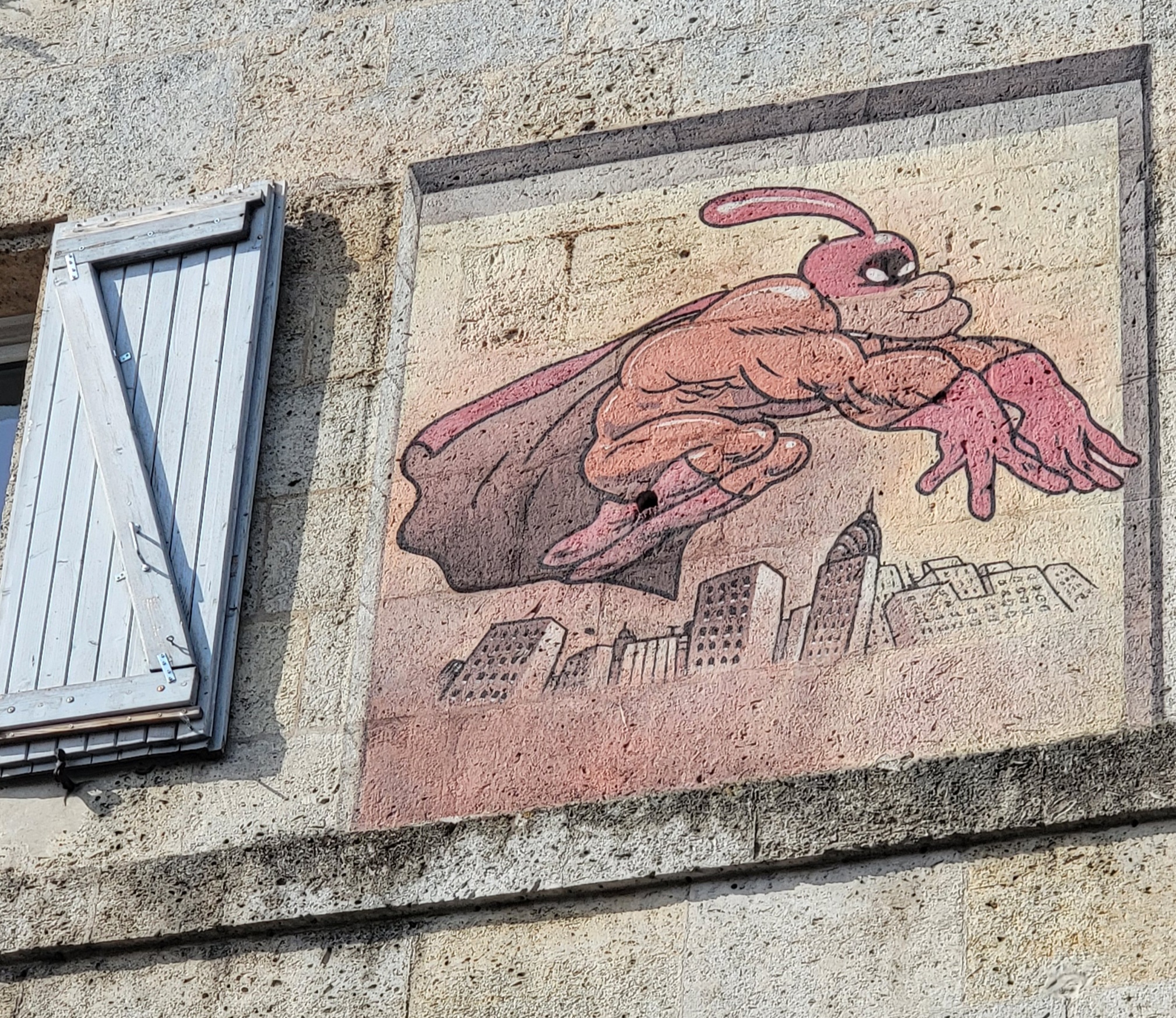
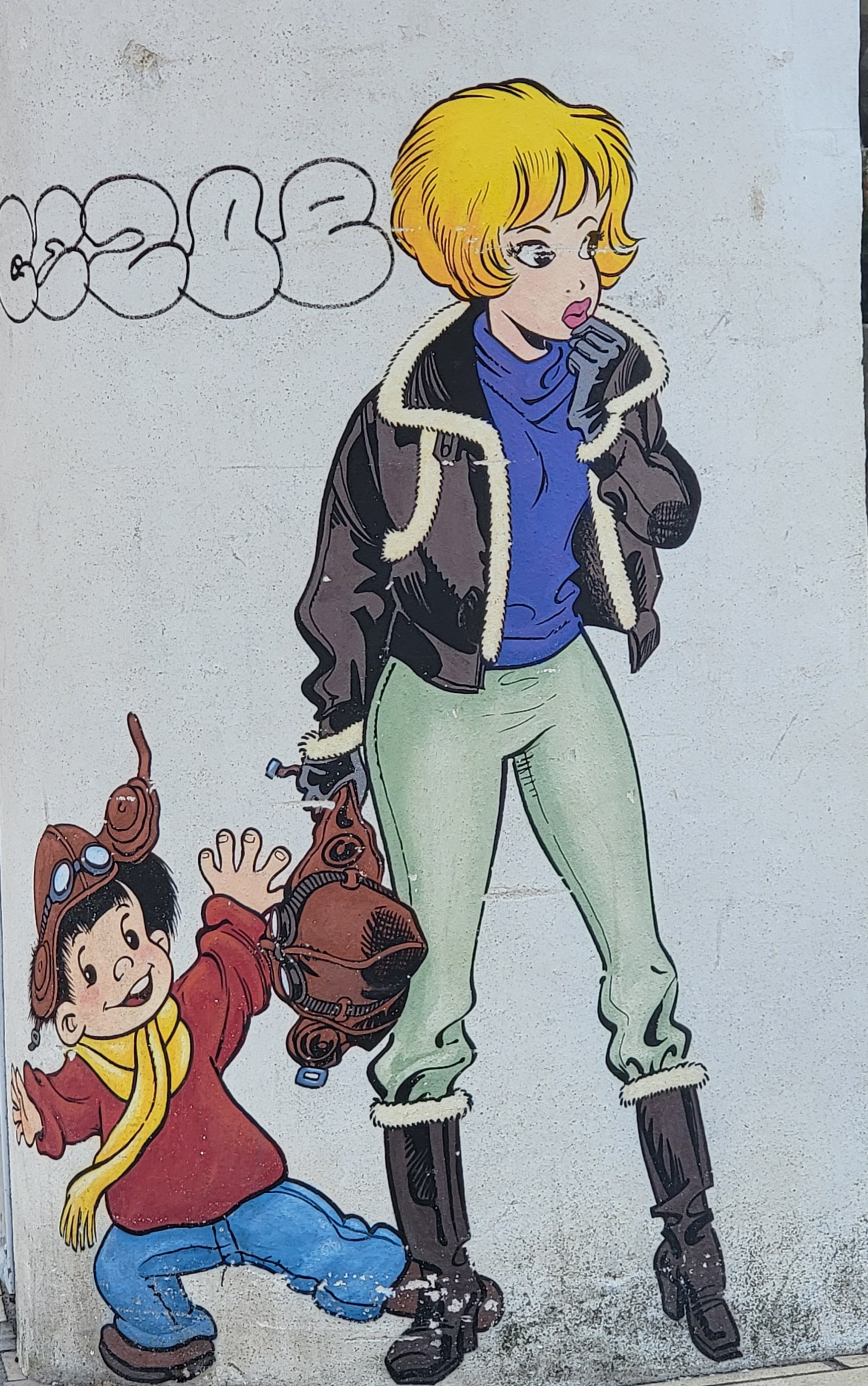
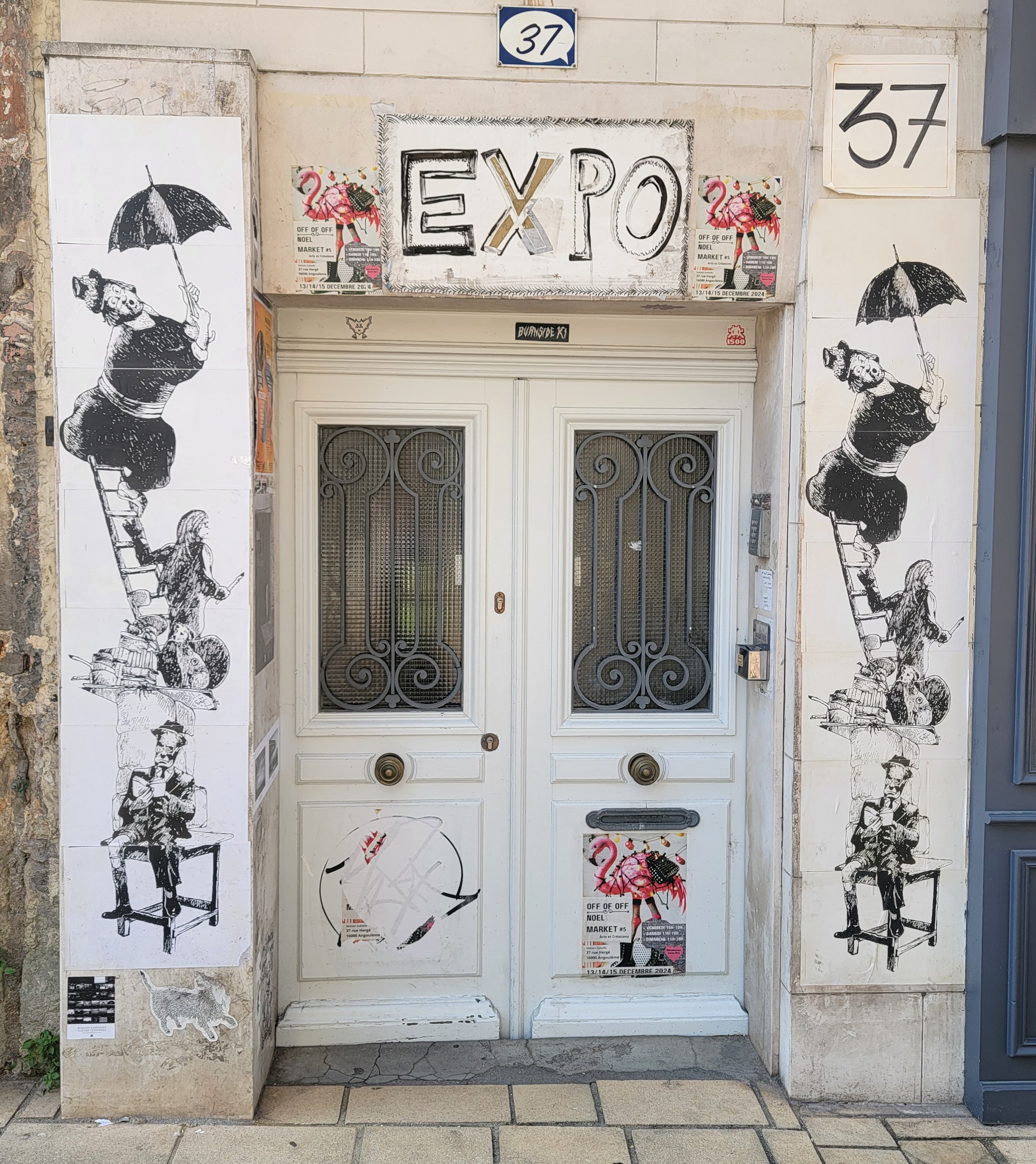
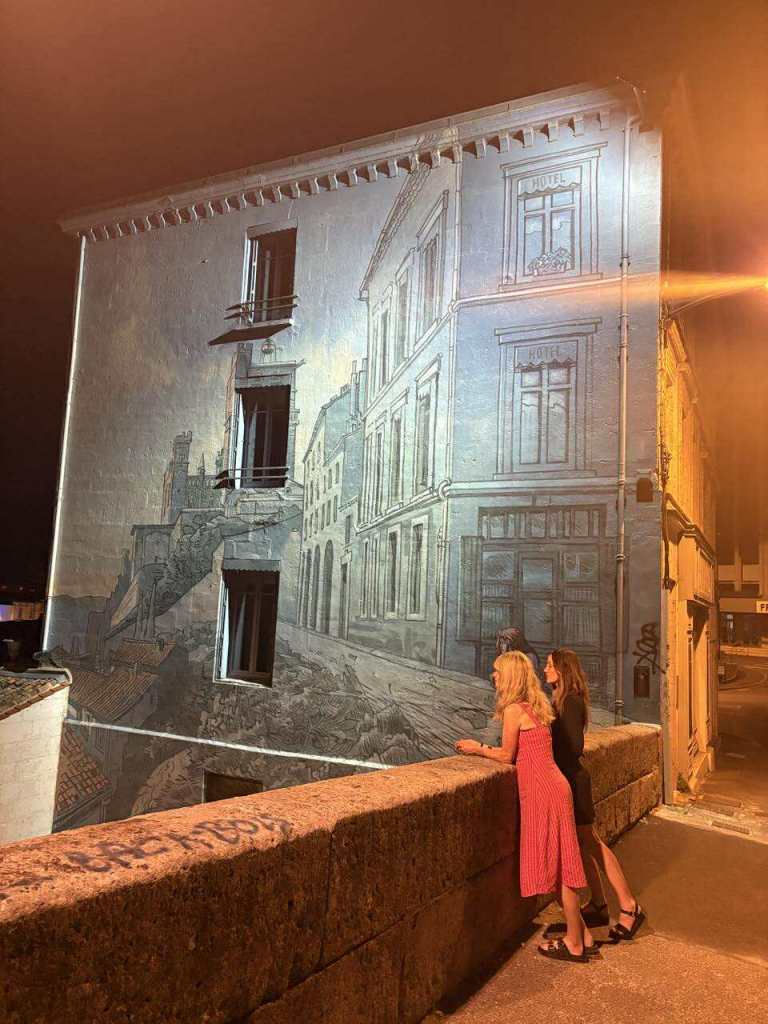
There is also a fabulous display of street art throughout Angoulême. It all adds to the arty vibe of the place.
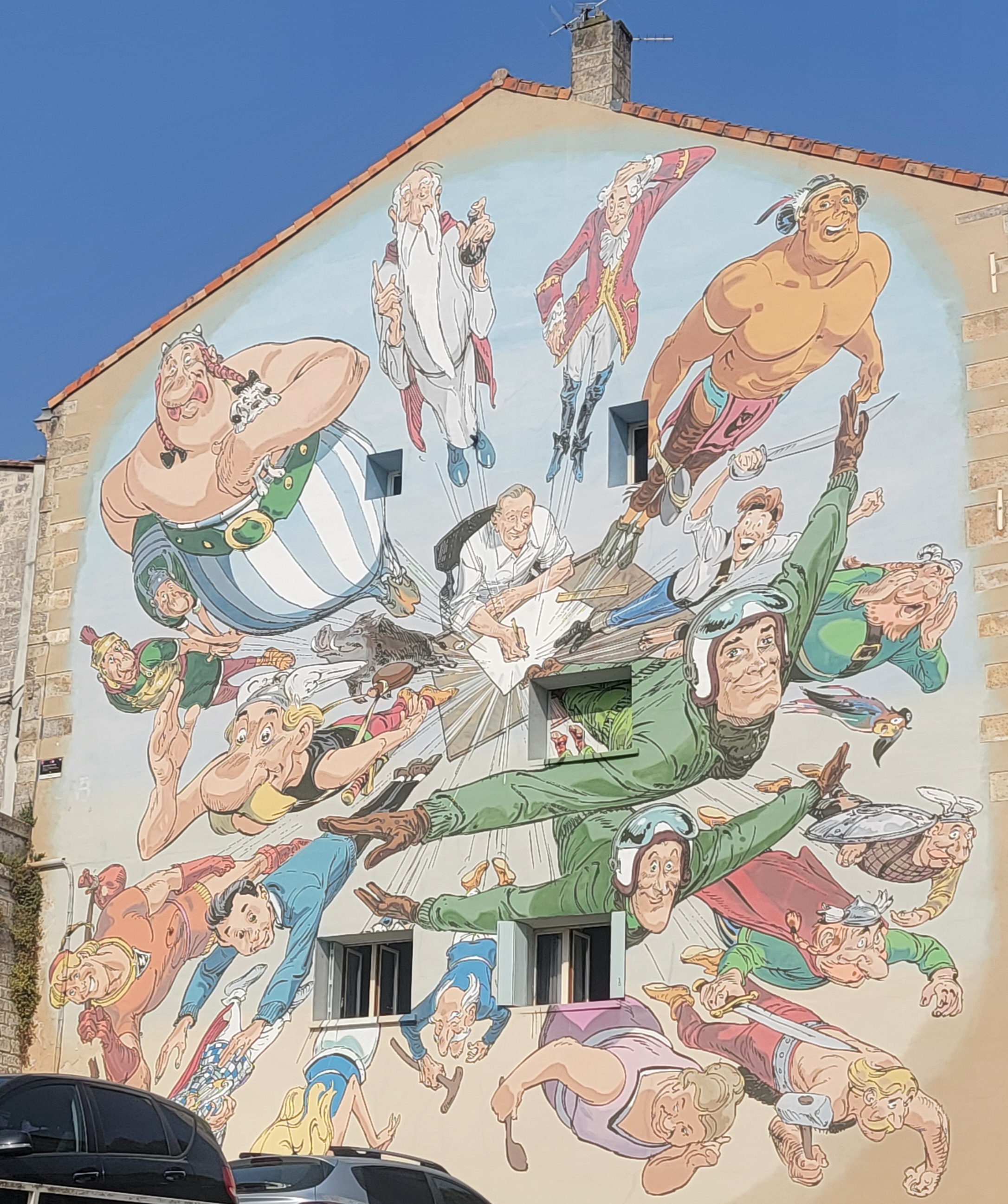
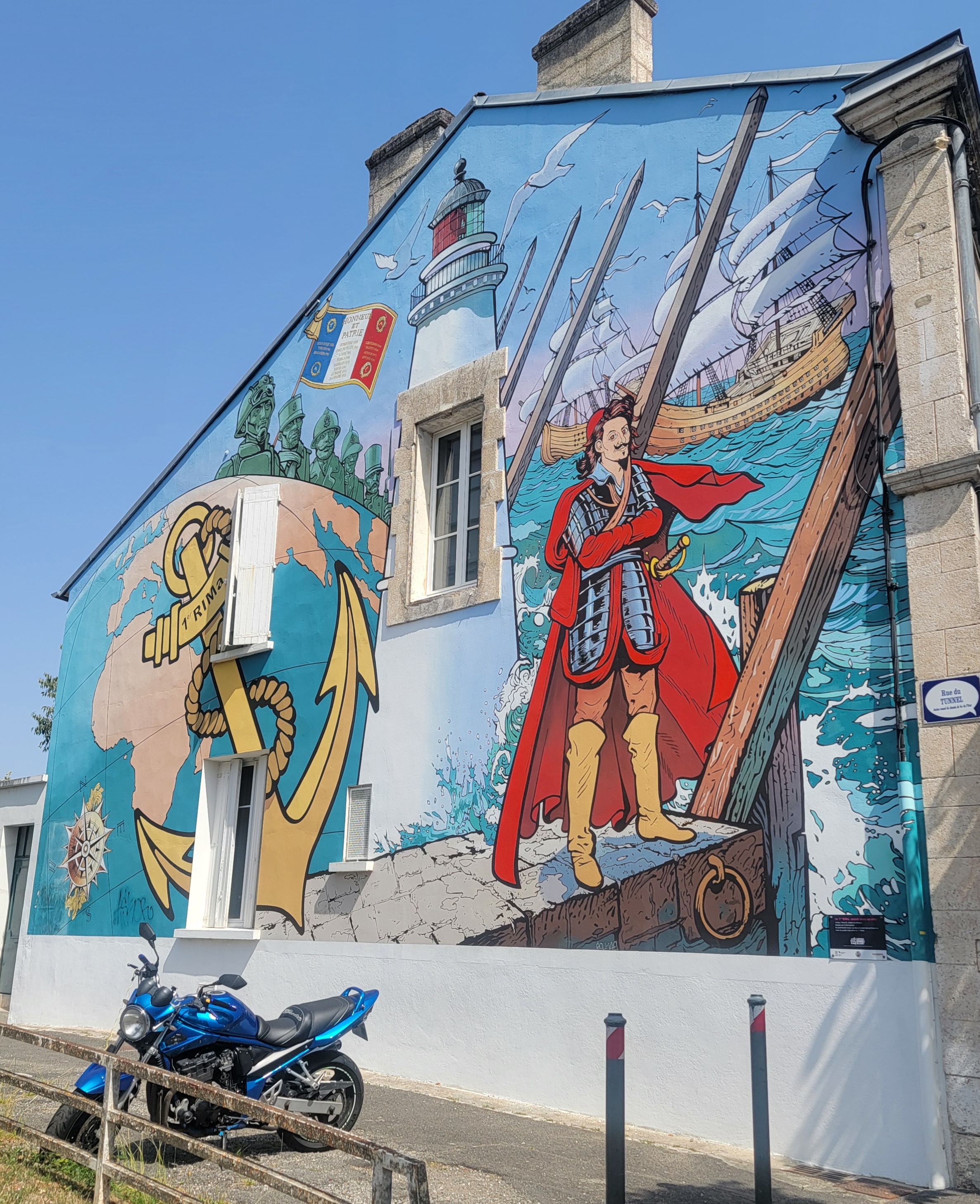
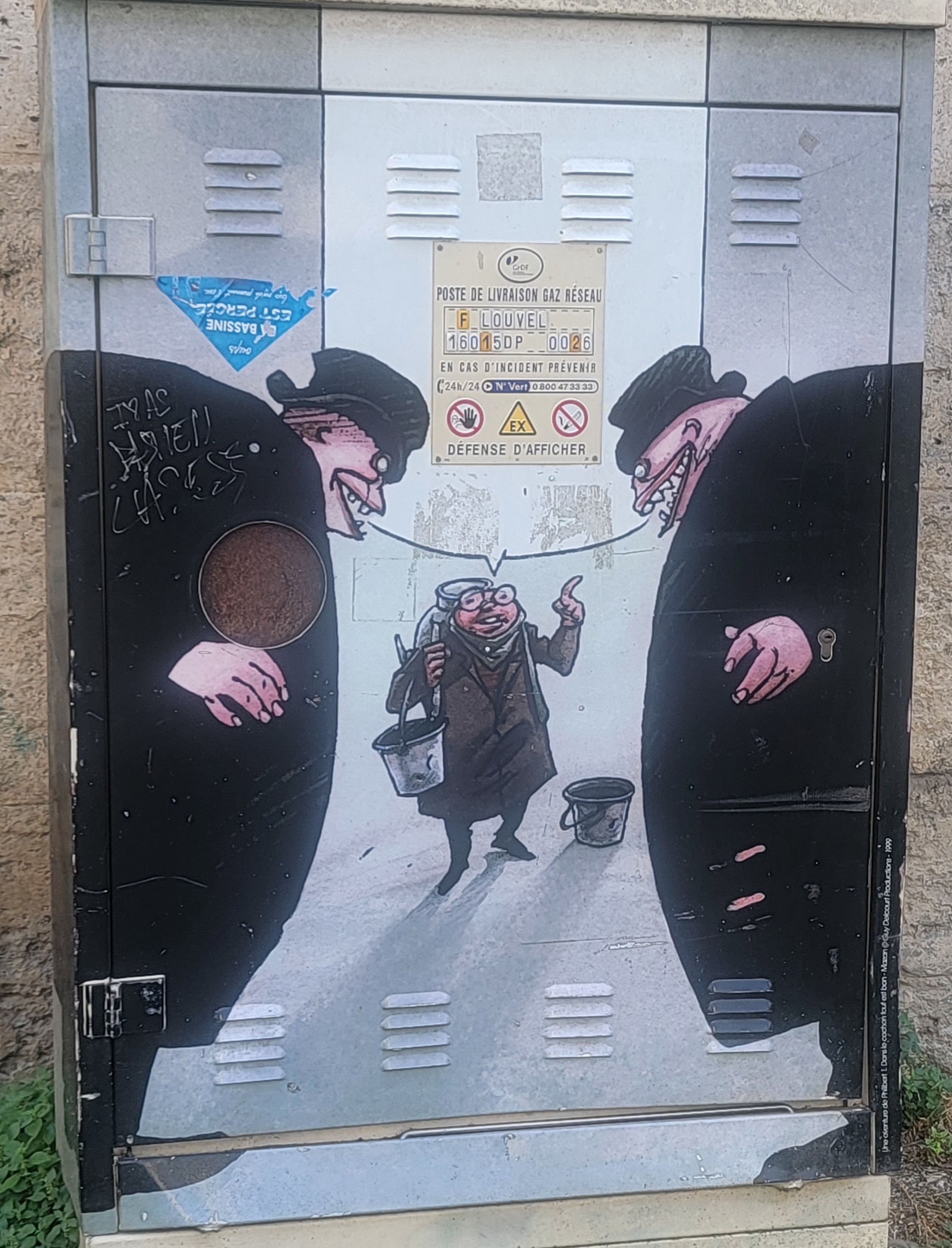
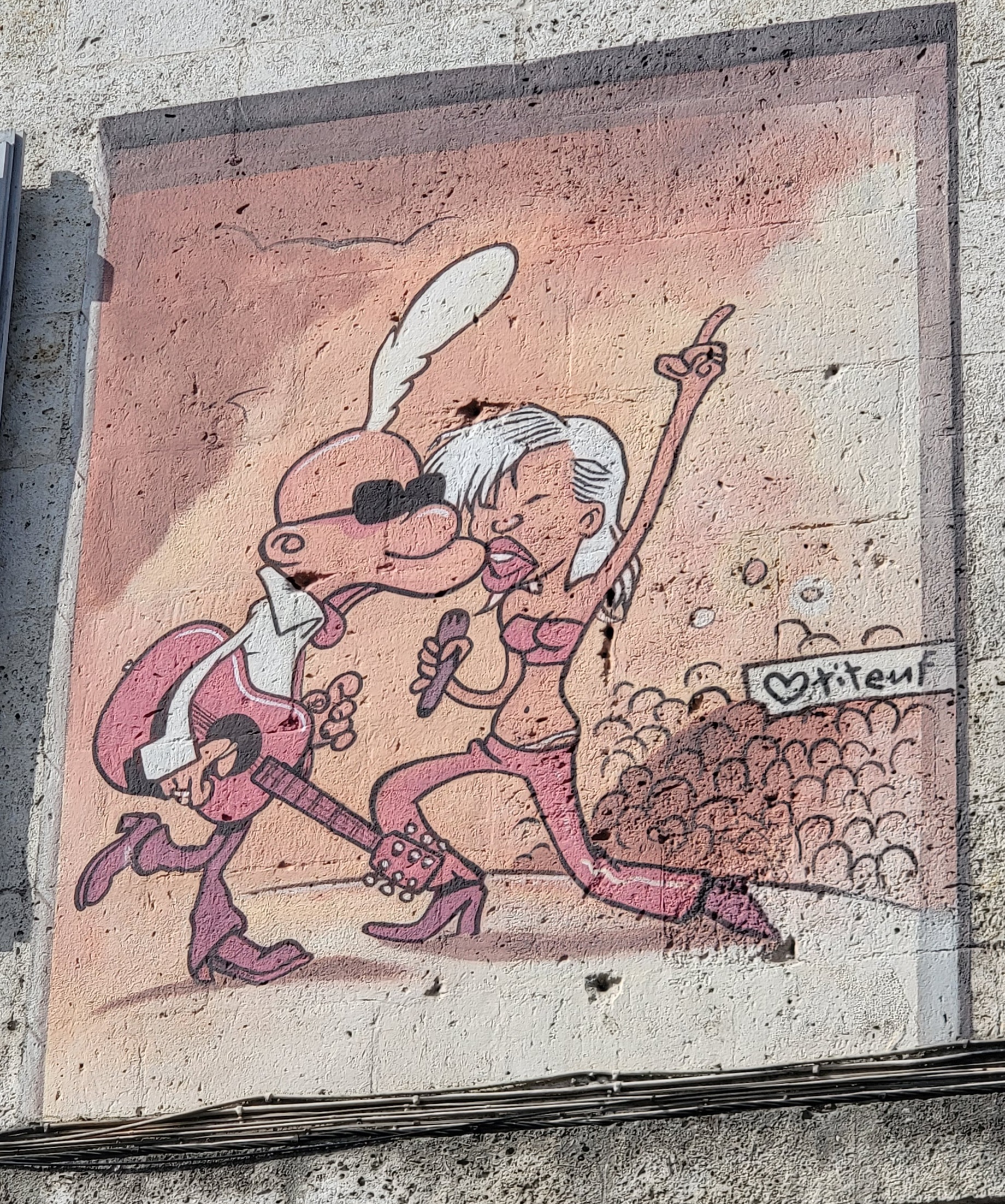
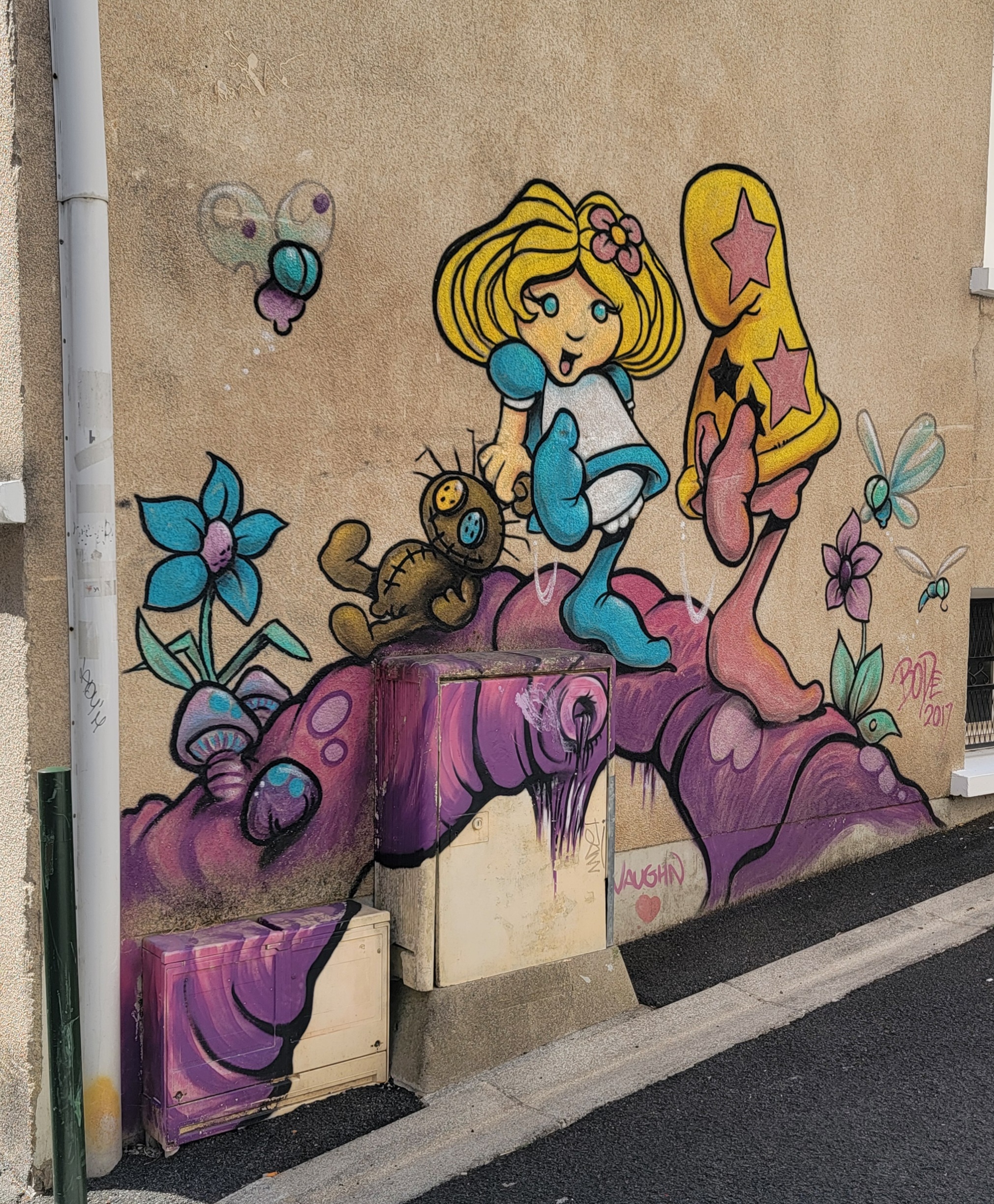
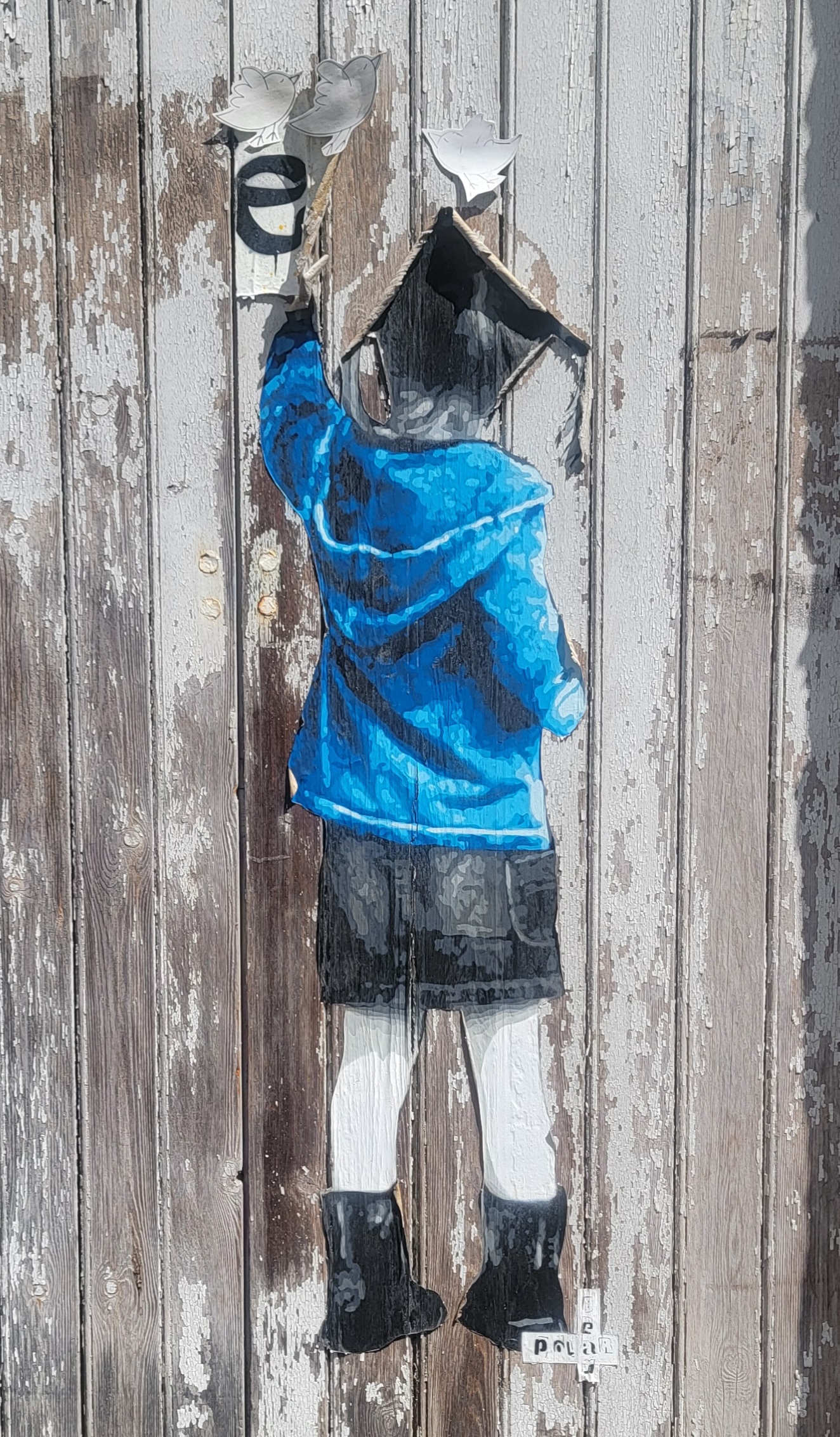
Would I want to live in this art-filled city? No, I think I’d prefer a small French village. But it is certainly worth a visit, if you can pull yourself away from your comic book that is.


 Over To France
Leave a reply to Attic Kid #2 Cancel reply